
Stanford Continuing Studies Fall Courses 2026

Stanford Continuing Studies Logo
Winter 2027
Letter From The Director
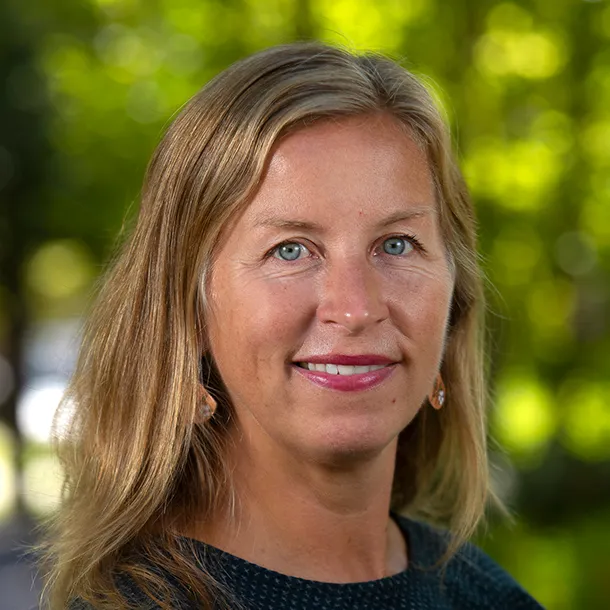
Jennifer Deitz headshot

Letter from
the Director

H

appy holidays! Thank you all for your ongoing support of Continuing Studies and for being a part of our dedicated community of lifelong learners.

Our winter catalog has something (or many things!) for everyone, and I hope you’ll join us in learning something new in 2027. To help inspire your next course choice, I invited Malena Watrous, our Writing Certificate lead and Creative Writing coordinator, to share her reflections as an instructor and a student. With her signature creativity and humor, she describes how a Continuing Studies course can help you see a new perspective, achieve a personal or professional goal, and experience the profound joy of discovery.

Warmly,
Jennifer Deitz signature

Jennifer Deitz
Director & Associate Dean
Welcome Letter
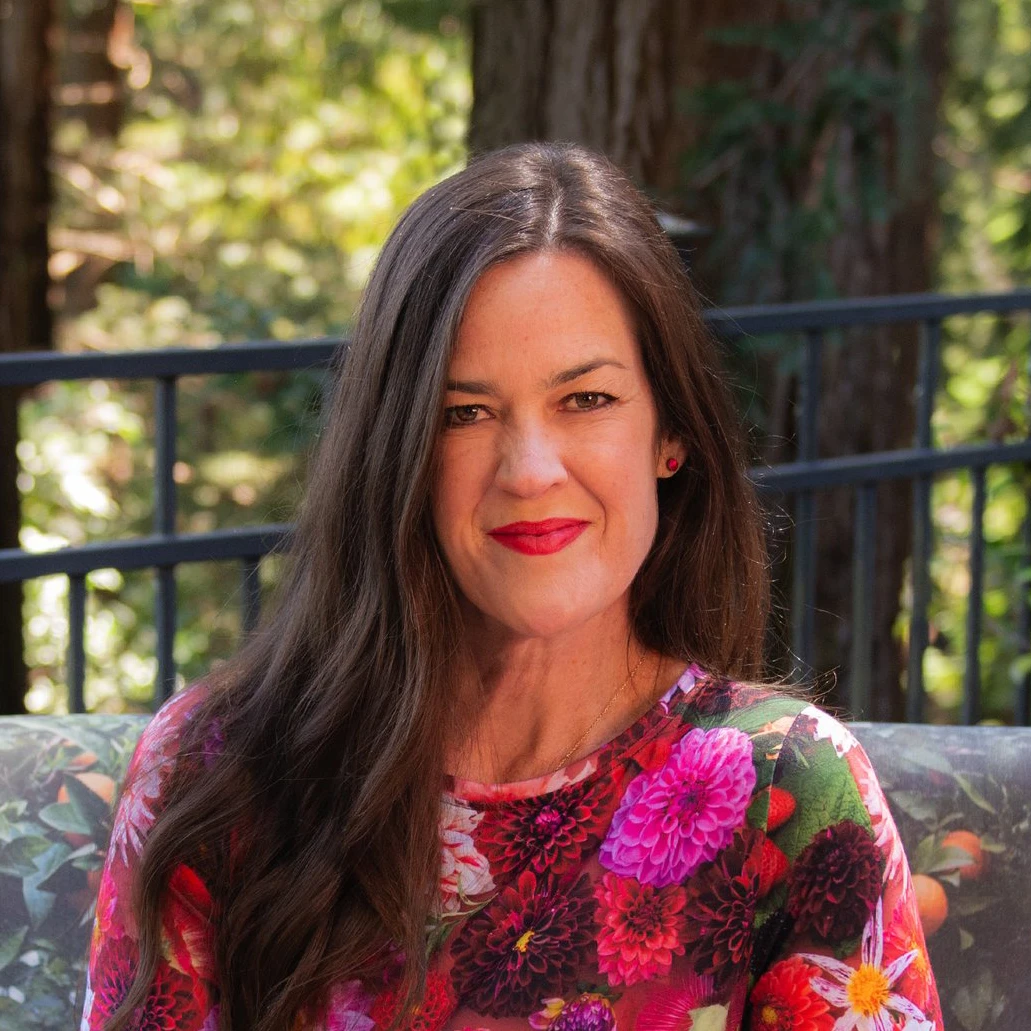
Malena Watrous

Welcome Letter

Dear Friends,
W

hen the term “new year resolution” first appeared in a Boston newspaper in 1813, the author skewered those who treat the practice as a temporary “sin pass” for holiday overindulgence, aiming to “wipe the slate clean” come January. There may be some truth to this, but I happen to love New Year’s resolutions, using them to reset and focus on personal goals.

In 2020, I signed up for an online Continuing Studies guitar course, learning to strum songs by The Beatles and Bob Dylan. In six weeks, I may not have mastered the guitar, but the course brought me joy and the satisfaction of meeting a personal goal. Perhaps Continuing Studies can help you fulfill one of your resolutions this year.

This catalog features my own resolution-themed course, “Write in the New Year,” designed for students who resolve to write more. We use half of every session for guided writing sprints, after which students share their work in groups. No one can procrastinate or succumb to “masterpiece-itis.” Everyone leaves each session with words on the page, successful in their New Year’s resolution to make creative writing part of their lives.

Goals are easier to achieve when classmates and an instructor hold us accountable. That makes a Continuing Studies course a natural partner. You might resolve to learn something that has always intrigued you, deepen your understanding of a complex problem, create something new, or connect with others who share your interests. Perhaps this is the year you’ll resolve to:

The word “resolution” can sound foreboding. But in Middle English, it referred to the process of breaking something complex into simpler parts. Isn’t that what a great course helps us do? A skilled instructor takes a subject that might initially feel daunting and makes it accessible.

As you explore this catalog, I invite you to ask yourself: What corner of your proverbial garden could benefit from watering this winter? Whatever your answer, I hope you find a course that helps you begin.

Warmly,

Malena Watrous signature

Malena Watrous
Writing Certificate Lead & Creative Writing Coordinator
Table of Contents

Table of Contents

Low-angle view of an ancient Greek temple featuring weathered stone columns and carved architectural details.
Liberal Arts & Sciences

Immerse yourself in the liberal arts to awaken your creativity, enhance your critical thinking abilities, and gain a deeper understanding of our complex world.
Impressionist-style landscape painting of a snow-covered riverbank and trees beneath a colorful sunset sky.
Art Studio

Reignite your capacity for creativity in an art studio course.
Close-up of a cluster of purple and red grapes hanging from a vine, with sunlit vineyard rows softly blurred in the background.
Food & Drink

Indulge your taste buds in a culinary journey through our Food & Drink courses.
Three smooth gray stones stacked on raked sand in a Zen garden, symbolizing balance and mindfulness.
Wellness & Health

Prioritize your health and wellness with courses designed to help you build healthy habits and support your mental and emotional well-being.
Vintage black typewriter with scattered letters rising from a sheet of paper, symbolizing creative writing.
Creative Writing

Whether you’re just beginning to write or putting the finishing touches on your first novel, our writing courses offer expert instruction from accomplished authors, individual attention, and supportive feedback.
Colorful silhouettes of people beneath overlapping speech bubbles, representing conversation and communication.
Communication

Hone your communication skills and learn how to convey a clear, compelling, and consistent message.
Brightly colored sticky notes arranged across whiteboards, illustrating brainstorming and creative planning.
Design

Our business courses will equip you with the knowledge and skills you need to succeed in building your career, launching a startup, or growing a business.
Wooden blocks with person icons connected by intersecting white lines, representing a professional network.
Business

Our business courses will equip you with the knowledge and skills you need to succeed in building your career, launching a startup, or growing a business.
Abstract digital landscape of glowing blue data points and vertical light patterns above flowing grid lines.
Technology

Embark on a journey through artificial intelligence, master a new coding language, or dive into the world of data science.
Stanford MLA Graduate shaking hands
Master of Liberal Arts

Start your next chapter with a part-time, evening graduate degree in the liberal arts.
Featured Courses

Featured Courses
Liberal Arts & Sciences

Liberal Arts & Sciences

Immerse yourself in the liberal arts to awaken your creativity, enhance your critical thinking abilities, and gain a deeper understanding of our complex world. From fine arts to film, language to literature, philosophy to history, explore a rich array of courses in the liberal arts and sciences.

Archaeology

Patrick Hunt
Former Director, Stanford Alpine Archaeology Project and Research Associate, Archeoethnobotany, Institute of EthnoMedicine

China's archaeological treasures tell a remarkable story of artistic ingenuity stretching back thousands of years. Travel from Neolithic settlements to the Qing dynasty, visiting Banpo, Erlitou, Yin Xu, and the tomb where the Terra Cotta Warriors were unearthed in 1974. Discover how fine silks, bronzes, jade, lacquerware, and ceramics reveal the mysteries of Chinese history.

Art History

On Campus
Online

Alexander Nemerov
Carl and Marilynn Thoma Provostial Professor in the Arts and Humanities, Stanford

Finding one’s way in life is said to be “taking a journey,” “following a path,” even “getting lost” to be found. Through ten new lectures, explore great works of art to meditate on the stages of life, traveling through “lands” of ruin, rain, wind, and more. Perilous and full of wonder, each place inspires awe, fear, and doubt, and requires courage—with the professor as a guide to each student’s own inward explorations.

Altair Brandon-Salmon
COLLEGE Lecturer, Civic, Liberal, and Global Education, Stanford
For five centuries, war has pushed artists toward extraordinary invention. From Uccello’s The Battle of San Romano and Goya’s The Disasters of War to Picasso’s Guernica and Lee Miller’s World War II photographs, examine these works alongside the writings of Sun Tzu, Machiavelli, and Clausewitz and consider what art contributes to our understanding of war’s place in human life.

Patrick Hunt
Former Director, Stanford Alpine Archaeology Project and Research Associate, Archeoethnobotany, Institute of EthnoMedicine

China's archaeological treasures tell a remarkable story of artistic ingenuity stretching back thousands of years. Travel from Neolithic settlements to the Qing dynasty, visiting Banpo, Erlitou, Yin Xu, and the tomb where the Terra Cotta Warriors were unearthed in 1974. Discover how fine silks, bronzes, jade, lacquerware, and ceramics reveal the mysteries of Chinese history.

Curtis Frank
W.M. Keck Senior Professor in Engineering, Emeritus, Stanford

How did artists create dazzling blues and luminous gold paint hues long before modern science? Behind every great work of art lies a story of curiosity, invention, and obsession. Join Stanford professor emeritus Curtis Frank as he draws on chemistry, archaeology, and history to reveal the science behind art, from Palaeolithic cave painters to Renaissance masters.

Classics

Micheal Duchesne
Lecturer in Classics, Stanford

The Olympian gods could reward goodness, punish the innocent, and deceive kings—sometimes in the same story. Were they models of virtue, or did they answer to a different moral code? Reading Hesiod, Homer, Ovid, and Apollodorus, discover myths that gave the Greeks a way to think about power, justice, and the human condition.

Climate Change & Sustainability

Michael McWilliams
Professor of Earth and Planetary Sciences, Emeritus, Stanford

Water is a critical resource. Throughout history, environmental and climatic crises have been linked to the availability of clean, fresh water. In this science-based course, learn about Earth’s hydrological history, examine a case study of the dwindling Colorado River, and get an early look at what’s being done to address worldwide water scarcity.

Amber Liang
Postdoctoral Fellow, Stanford Woods Institute for the Environment

From the iconic Blue Marble photograph captured by Apollo 17 in 1972 to today's network of Earth-observing satellites, remote sensing has transformed how we see our planet. Through hands-on labs with NASA’s open-access data, we'll explore how satellites "see" the Earth and what different sensors measure, learning to detect environmental change like deforestation, urban sprawl, and glacier retreat.

Cultural Studies

Patrick Hunt
Former Director, Stanford Alpine Archaeology Project and Research Associate, Archeoethnobotany, Institute of EthnoMedicine
At the crossroads of continents, faiths, and empires, Istanbul, Jerusalem, Isfahan, and Cairo have shaped the history of the Middle East and the wider world for centuries. We'll bring these cities to life through the religions, rivalries, and cultural exchanges that defined them, discovering what made each distinctive and what connected them across time.

Josef Chytry
Senior Adjunct Professor in Critical Studies, California College of the Arts
Is California a civilization in its own right—a place whose ideas, industries, and landscape have helped define much of the modern world? Follow the state's evolution through the California Dream, Hollywood, and Silicon Valley, and explore the rugged coastline, fertile valleys, and ancient redwood forests that shaped it.

David Kennedy
Donald J. McLachlan Professor of History, Emeritus, Stanford
James Sheehan
Dickason Professor in the Humanities, Emeritus, and Professor of Modern European History, Emeritus, Stanford
Globalization, migration, polarization, technological disruption…Today's headlines may feel new, but they all have deep historical roots. Join distinguished Stanford historians David Kennedy and James Sheehan to examine the 21st century through the lens of the past. From railroads and artificial intelligence to populist politics and modern warfare, discover how earlier generations confronted the questions that define our own age.

Marwan Hanania
Historian
Revolutions, religion, and great-power rivalry have shaped the modern Middle East for more than a century. With particular attention to Iran's pivotal role, examine the events that transformed the region and continue to shape global politics, including the collapse of the Ottoman Empire, the geopolitics of oil, and the Arab Spring.

Huijun Ring
Adjunct Professor, Department of Medicine, Stanford Medicine
From acupuncture and tai chi to herbal medicine and food therapy, Chinese medicine offers a fascinating window into one of the world's oldest healing traditions. Learn foundational concepts—yin and yang, qi, and the Five Elements—and how they shape diagnosis and daily practice, alongside current research on integrative approaches to wellness and healthy aging.

Dance Studies

Anton Pankevitch
Lecturer, Department of Theater & Performance Studies, Stanford

Ready for the next step in your ballet training? Deepen your technique with artistry and expression in a supportive, nonjudgmental environment. Barre work and center exercises will help you move with growing precision, musicality, and confidence as you continue your journey into the beauty and tradition of ballet.

Ronnie Reddick
Lecturer, Department of Theater & Performance Studies, Stanford

Hip hop is more than movement—it's a culture of music, fashion, and self-expression. Designed for beginners and taught by a renowned teacher and choreographer, this welcoming introduction builds from simple steps to choreographed routines, drawing on urban, pop, jazz, contemporary, Latin, and street styles.

Environmental Studies

Michael McWilliams
Professor of Earth and Planetary Sciences, Emeritus, Stanford

Water is a critical resource. Throughout history, environmental and climatic crises have been linked to the availability of clean, fresh water. In this science-based course, learn about Earth’s hydrological history, examine a case study of the dwindling Colorado River, and get an early look at what’s being done to address worldwide water scarcity.

Film Studies

Mick LaSalle
Film Critic Emeritus, San Francisco Chronicle
Embark on a whirlwind romance with movie love stories. We’ll explore how love is depicted in American cinema over time by watching films with themes like the search for love, love and redemption, love between women, love between men, love and obsession, and more.

Elliot Lavine
Film Historian and Filmmaker

By the 1950s, westerns were the most popular film genre in America. In this immersive course, we’ll watch films from seminal directors like John Ford, Howard Hawks, and Fritz Lang, and featuring iconic screen stars, including John Wayne, James Stewart, Joan Crawford, Henry Fonda, and Marlene Dietrich.

History

Julie Taddeo
Research Professor of British History, University of Maryland
Country houses and glittering balls, ambitious marriages and razor-sharp wit: the worlds of Jane Austen and Bridgerton are endlessly captivating. But what was really happening behind the glamour? Discover how familiar scenes and characters, from Wickham to Queen Charlotte, serve as windows into a society transformed by war and empire, slavery and political upheaval.

Gary Devore
Archaeologist

Michael Shanks
Professor of Classics and Professor of Archaeology, Stanford

What was life like for ordinary people in the Roman Empire? Archaeological evidence offers an intimate window into their stories. Drawing on clues from inscriptions, shrines, and everyday objects, we'll explore how people worked, worshipped, and raised families—and what it meant to belong to an empire centered thousands of miles away.

David M. Kennedy
Donald J. McLachlan Professor of History, Emeritus, Stanford

James Sheehan
Dickason Professor in the Humanities and Professor of Modern European History, Emeritus, Stanford

Globalization, migration, polarization, technological disruption…. Today's headlines may feel new, but they all have deep historical roots. Join distinguished Stanford historians David Kennedy and James Sheehan to examine the 21st century through the lens of the past. From railroads and artificial intelligence to populist politics and modern warfare, discover how earlier generations confronted the questions that define our own age.

Patrick Hunt
Former Director, Stanford Alpine Archaeology Project and Research Associate, Archeoethnobotany, Institute of EthnoMedicine

China's archaeological treasures tell a remarkable story of artistic ingenuity stretching back thousands of years. Travel from Neolithic settlements to the Qing dynasty, visiting Banpo, Erlitou, Yin Xu, and the tomb where the Terra Cotta Warriors were unearthed in 1974. Discover how fine silks, bronzes, jade, lacquerware, and ceramics reveal the mysteries of Chinese history.

Patrick Hunt
Former Director, Stanford Alpine Archaeology Project and Research Associate, Archeoethnobotany, Institute of EthnoMedicine

At the crossroads of continents, faiths, and empires, Istanbul, Jerusalem, Isfahan, and Cairo have shaped the history of the Middle East and the wider world for centuries. We'll bring these cities to life through the religions, rivalries, and cultural exchanges that defined them, discovering what made each distinctive and what connected them across time.

Anne Curzan
Professor of English, Linguistics, and Education, University of Michigan
Why is colonel pronounced nothing like it’s spelled? And why does a cow become beef the moment it reaches the dinner table? Every English word has a story that helps reveal the remarkable history of the language itself. We’ll follow words as they are born, change meaning, and sometimes disappear to discover what’s humming beneath our everyday language.

Ivan Maisel
Author

For more than a century, Stanford’s extraordinary athletes, visionary coaches, and bold ideas have reshaped American sports. Led by veteran sports journalist Ivan Maisel, explore that legacy through six case studies of the turning points and figures behind the nation's most successful athletic program—from Pop Warner and Bill Walsh to Tara VanDerveer—and consider whether athletic excellence and academic ambition can endure.

International Studies

Marwan Hanania
Historian

Revolutions, religion, and great-power rivalry have shaped the modern Middle East for more than a century. With particular attention to Iran's pivotal role, examine the events that transformed the region and continue to shape global politics, including the collapse of the Ottoman Empire, the geopolitics of oil, and the Arab Spring.

Languages

Maria Cristina Urruela
Former Lecturer in Spanish, Stanford
It’s time to speak Spanish with confidence! This immersive course is your gateway to oral proficiency and comprehension, offering a vibrant exploration of the Spanish-speaking world and its rich cultures.

Maria Cristina Urruela
Former Lecturer in Spanish, Stanford
This course welcomes students who can meet and greet others, express likes and dislikes, and talk about daily activities in present-tense Spanish. We’ll emphasize interpersonal communication through activities such as role-plays, conversational exchanges, and short presentations where you can share your passions and interests.

Alessandra McCarty
Advanced Lecturer, Stanford Language Center
Andiamo in Italia! Designed for students with enough initial exposure to Italian to exchange greetings and talk about their immediate world, this second course in the three-course “Beginning Italian” sequence will help students expand and refine their language skills in speaking, reading, and listening.

Heather Howard
Advanced Lecturer in French, Stanford
Continuing "Beginning French: Part I," the second course in this three-part series builds on present-tense conversation. Expand vocabulary around family, housing, leisure, and work through songs, short texts, and video, and draw cultural comparisons across French and francophone societies. By the end, you’ll be able to handle simple exchanges, from renting an apartment to asking for directions.

Linguistics

Anne Curzan
Professor of English, Linguistics, and Education, University of Michigan
Why is colonel pronounced nothing like it’s spelled? And why does a cow become beef the moment it reaches the dinner table? Every English word has a story that helps reveal the remarkable history of the language itself. We’ll follow words as they are born, change meaning, and sometimes disappear to discover what’s humming beneath our everyday language.

Literature

Robert Harrison
Rosina Pierotti Professor in Italian Literature, Emeritus, Stanford
Alexa Hazel
Writer and Graduate Student in Modern Thought and Literature, Stanford
It’s a bold premise: Dante knows us better than we know ourselves. Through close reading of Inferno, the first canticle of The Divine Comedy, explore the prosody and theology behind Dante’s vision of human wrongdoing; the social, literary, and political climate of the Florence that exiled him in 1302; and why his portrait of vice and self-deception still describes our world.

Carolyn Sinsky
Writer and Lecturer
Nearly eight centuries after his death, Rumi remains one of the world’s most beloved poets. But how did a 13th-century Persian mystic become a global phenomenon? Through close readings of the Masnavi and his celebrated ghazals, examine love, longing, and transcendence—and ask what is gained, lost, and reinvented as poetry crosses languages and cultures.

Anne Hruska
Senior English Instructor, Stanford Online High School
Can true goodness survive in a world driven by money and social ambition? Dostoevsky’s The Idiot puts that question to the test. Examine the novel as an exercise in what he called “fantastic realism,” a heightened truth that carries readers from violence and melodrama to moments of transcendent love, set against the revolutionary politics of 1860s Russia.

Malena Watrous
Writing Certificate Lead and Creative Writing Coordinator, Stanford Continuing Studies

How do writers transform experience into art? Through close reading and conversations with acclaimed Stanford authors—Harriet Clark, Adam Johnson, Daniel Mason, Karen Russell, and Tobias Wolff—explore how memory, research, and imagination shape enduring literature. We’ll discuss each book, then meet its author to hear how the story came to life.

Julie Taddeo
Research Professor of British History, University of Maryland
Country houses and glittering balls, ambitious marriages and razor-sharp wit: the worlds of Jane Austen and Bridgerton are endlessly captivating. But what was really happening behind the glamour? Discover how familiar scenes and characters, from Wickham to Queen Charlotte, serve as windows into a society transformed by war and empire, slavery and political upheaval.

Medicine

Clyde Wilson
Research Associate, Biochemistry, UC San Francisco

Get ready to kickstart a healthier you in the new year! Explore the intricate relationship between nutrition, exercise, sleep, and stress. Develop a personalized plan to boost your metabolism and achieve your health and fitness goals.

Beth Habelow
Lecturer, Division of Clinical Anatomy, Stanford Medicine

Miguel Angeles
Clinical Assistant Professor, Division of Clinical Anatomy, Department of Surgery, Stanford Medicine

Explore the cadaver specimens and digital technologies used by Stanford medical students and surgeons in the treatment and care of patients. You’ll learn how to identify anatomical structures and common clinical conditions affecting the abdomen, with emphasis on the gallbladder, appendix, and reproductive system.

Victor Henderson
Professor of Epidemiology and Population Health and of Neurology and Neurological Sciences, Stanford

Alzheimer's disease affects over six million Americans, and many of us are concerned. Guided by faculty from the Stanford Alzheimer’s Disease Research Center, gain a deep understanding of its neurological underpinnings, familial factors, and distinctions from other forms of dementia. You’ll also learn about diagnostic methods, cutting-edge treatments, emerging therapies, and potential preventive measures.

Lucia Aronica
Lecturer, Genetics and Genomics Professional Certificate Program, Stanford Medicine

Imagine having the ability to turn “good” genes on and “bad” genes off. Epigenetics explores how science-based lifestyle choices can influence gene activity without altering DNA. Learn how food and nutrients can impact gene expression and create your own personalized nutrition plan to optimize health.

Huijun Ring
Adjunct Professor, Department of Medicine, Stanford Medicine

From acupuncture and tai chi to herbal medicine and food therapy, Chinese medicine offers a fascinating window into one of the world's oldest healing traditions. Learn foundational concepts—yin and yang, qi, and the five elements—and how they shape diagnosis and daily practice, alongside current research on integrative approaches to wellness and healthy aging.

Lucy Tompkins
Lucy Becker Professor of Medicine, Emerita (Infectious Diseases and Geographic Medicine), Stanford Medicine

Julie Parsonnet
George DeForest Barnett Professor of Medicine, Emerita, and Professor of Epidemiology and Population Health, Stanford Medicine

History's worst epidemics—from plague and smallpox to HIV/AIDS and Covid—have repeatedly reshaped society. Using each outbreak as a case study, we'll examine both the biology of the disease and the human responses it provoked, revealing why understanding the past is essential to navigating the public health challenges of the future.

Lauren Toomer
Lecturer, Department of Surgery, Division of Clinical Anatomy, Stanford

Based on the Art and Anatomy courses for Stanford medical students, this course is a unique opportunity to explore the human body with the eye of an artist. Through hands-on drawing and step-by-step guidance, you'll develop the artistic skills and anatomical knowledge to depict the human skeleton with creativity and accuracy.

Music Studies

Tim Greiving
Author and Journalist
For more than half a century, the music of John Williams has been inseparable from films such as Indiana Jones, E.T., Jurassic Park, and Harry Potter. As Star Wars celebrates its 50th anniversary, we’ll explore the life and music of the composer whose work transformed film scoring and became part of the cultural memory of generations.

Stephen Schultz
Professor of Music History, Carnegie Mellon

From the opium-fueled passions of 19th-century Romanticism through the devastation of two world wars and the psychedelic culture of the 1960s, music both reflected and transformed the turbulent world around it. Trace 150 years of history and music as love, drugs, and war found expression in some of the era's most extraordinary works.

Joel Friedman
Composer and Music Scholar, Catholic University

Composer and lyricist Stephen Sondheim was a master storyteller whose work reflected both his collaborators and the subjects they chose together. Through six musicals spanning 1959–84, we’ll trace how Sondheim’s restless mind adapted his language and style to each collaborator and continually reinvented what a Broadway musical could be.

Music Studio

Greg Vaughan
Instructor, Gryphon Stringed Instruments

Unleash your inner musician and dive into the enchanting world of the ukulele. This introductory course will equip you with the essential skills to play this fun instrument, from mastering uke chords and strumming techniques to exploring basic fingerpicking and rhythm.

Nature & Conservation Studies

Edwin Bernbaum
Co-Chair, International Union for Conservation of Nature Specialist Group on Cultural and Spiritual Values of Protected Areas

From Mount Sinai in the Bible to Mount Everest in Nepal, mountains captivate our imaginations and represent our highest aspirations. Drawing on the instructor’s research and personal experiences of mountaineering, this course looks at the role of mountains in mythology, religion, literature, history, and art. Students will also examine environmental conservation and climate change.

Philosophy

Adam Dietz
Philosopher, Writer, and Educator

What does it mean to live well? For centuries, philosophers, psychologists, and spiritual teachers have wrestled with this question, offering different ideas about discipline, self-knowledge, and wisdom. This introductory course explores philosophical traditions from Socrates and Freud to Confucian and Buddhist thinkers.

Frederick Dolan
Professor of Rhetoric, Emeritus, UC Berkeley
What can great films reveal about some of philosophy’s biggest questions? Analyze influential films like Blade Runner, A Clockwork Orange, The Servant, and Vertigo alongside philosophical texts by Descartes, Hegel, Plato, and others. Explore the nature of reality, the limits of knowledge, ethics, and aesthetics—and gain insights into some very good films.

Psychology

Dona Tversky
Clinical Assistant Professor, Psychiatry and Behavioral Sciences, Stanford

Do you want to understand why people feel and behave the way they do? Learn why psychotherapists focus on early-life relationships and learning, why they privilege emotions, and why they see contradictions as opportunities for deeper understanding. As you play detective in your own life, you’ll grow to appreciate the psychology behind the everyday.

Olivia Altamirano
Clinical Assistant Professor in the Department of Psychiatry and Behavioral Sciences, Stanford Medicine

Sripriya Chari
Clinical Associate Professor, Department of Psychiatry and Behavioral Sciences, Stanford Medicine

Have you ever heard your name called when no one was there? That experience is a part of psychosis. Led by Stanford clinical professors, this course explores what psychosis is, why it occurs, and how experiences can range from fleeting changes in perception to persistent delusions and hallucinations. Learn about treatment and challenges from firsthand accounts.

Science

Amber Liang
Postdoctoral Fellow, Stanford Woods Institute for the Environment
From the iconic Blue Marble photograph captured by Apollo 17 in 1972 to today's network of Earth-observing satellites, remote sensing has transformed how we see our planet. Through hands-on labs with NASA’s open-access data, we'll explore how satellites "see" the Earth and what different sensors measure, learning to detect environmental change like deforestation, urban sprawl, and glacier retreat.

Robert Siegel
Professor (Teaching) of Microbiology and Immunology, Stanford Medicine
Take a journey through the realm of nature photography, where you’ll explore themes like ecological preservation and the artistry of capturing nature’s marvels. Deepen your connection with the natural world, ignite your powers of observation, and facilitate the communication of complex scientific ideas, all through visual and verbal storytelling.

Curtis Frank
W. M. Keck Sr. Professor in Engineering, Emeritus, Stanford
How did artists create dazzling blues and luminous gold paint hues long before modern science? Behind every great work of art lies a story of curiosity, invention, and obsession. Join Stanford professor emeritus Curtis Frank as he draws on chemistry, archaeology, and history to reveal the science behind art from Palaeolithic cave painters to Renaissance masters.

Sports

Ivan Maisel
Author

For more than a century, Stanford’s extraordinary athletes, visionary coaches, and bold ideas have reshaped American sports. Led by veteran sports journalist Ivan Maisel, explore that legacy through six case studies of the turning points and figures behind the nation's most successful athletic program—from Pop Warner and Bill Walsh to Tara VanDerveer—and consider whether athletic excellence and academic ambition can endure.

Chris Pepe
Sports Industry Executive

The FIFA World Cup captivates billions, and the historic 2026 tournament was the first to feature 48 national teams and span three host nations. It also came with friction, as disputes over ticket prices, immigration policy, labor, and security made headlines. Learn from World Cup insiders as you examine the event as both a cultural spectacle and a billion-dollar global enterprise.

Art Studio

Art Studio

Reignite your capacity for creativity in an art studio course. From drawing and photography to creating your own podcast or video, our courses will help you develop your skills and find inspiration that will truly elevate your creative expression.

Audio, Video & Film

Laura Joyce Davis
CEO and Co-founder, Narrative Podcasts and Editorial Advisor, Think Fast, Talk Smart Podcast
What transforms an interview into a podcast that listeners can’t stop thinking about? Join award-winning podcaster Laura Joyce Davis to uncover the craft behind exceptional audio storytelling. Learn to think like a narrative producer and leave with a polished trailer and a pilot episode.

Digant Kasundra
Founder, Audacitude Pictures
Creating a video is a powerful expression of your passion. Learn the fundamentals of video creation—including scriptwriting, storyboarding, shooting, and editing techniques—using DaVinci Resolve. You’ll analyze professional films and commercials, apply filmmaking strategies, and produce and publish your own short video.

Cielo de la Paz
Photographer and Filmmaker
With just your iPhone and a creative mindset, you can captivate and inspire your audience with visually stunning videos. Learn about the applications, accessories, and techniques you need to create professional-looking film footage, and practice shooting, editing, and producing your own videos. You’ll leave ready to produce a polished film.

Drawing, Painting & Other Media

Joshua Moreno
Lecturer, Department of Art & Art History, Stanford

Take a creative journey through the timeless art of watercolor painting. Building on foundational techniques, you’ll progress through botanical studies and still lifes to landscape compositions, experimenting to achieve different effects and textures. You’ll develop your understanding of composition, light, and perspective, and gain confidence expressing yourself through this versatile medium.

Lauren Toomer
Lecturer, Department of Surgery, Division of Clinical Anatomy, Stanford

Based on the Art and Anatomy courses for Stanford medical students, this course is a unique opportunity to explore the human body with the eye of an artist. Through hands-on drawing and step-by-step guidance, you'll develop the artistic skills and anatomical knowledge to depict the human skeleton with creativity and accuracy.

John Peck
Instructor, Triton Museum of Art

Whether you’re a beginner or an experienced artist, equip yourself with the techniques to create realistic portraits. Using a small mirror, you will learn to distinguish between your imagination and what your eyes actually see, developing a valuable foundation for future painting endeavors.

Trevor Tubelle
Artist

What happens when a drawing is built one layer at a time? Combining pencil, watercolor, collage, and other wet and dry media, we’ll discover how each new layer shifts color, saturation, texture, and depth. Hands-on experiments with both building up and stripping away will show how layering can transform a simple drawing into a work rich with texture and meaning.

Erin Hunter
Fine Artist and Science Illustrator

Guided by a professional science illustrator, combine the study of botanical anatomy with hands-on techniques, including sketching, watercolor, and colored pencil. Through flower dissection and observation, you’ll create a detailed botanical study that captures the beauty of both cultivated and wild blooms.

Katie Hawkinson
Artist

Unlock the world of abstract art by exploring how it draws inspiration from the observed world. See how painters convey feelings, memories, and fundamental truths through how they shape elements like color, composition, and light. Reflect on the techniques of renowned artists like Cézanne, Matisse, and Kandinsky, and develop your own modern aesthetic using water-based media.

Ann Miller
Fine Artist, Calligrapher, and Designer

Nōtan, the Japanese principle of light and dark, is an accessible framework for exploring visual structure in text, letterform, and pattern. Working primarily in black and white, learn how shape and space interact to create rhythm, contrast, and visual interest, bringing vitality to all your artwork.

Erin Gleeson
Cookbook Author and Illustrator

This hands-on course introduces beginners to the art of watercolor painting through the vibrant colors and forms of seasonal fruits, vegetables, and flowers. Learn foundational techniques such as wet-on-wet blending, color mixing, layering, and texture building. Then apply these skills to create expressive, nature-inspired compositions rooted in the beauty of seasonal produce.

Mark Fearing
Author and Illustrator
Coined in 1964, the term graphic novel now spans memoir, investigative journalism, historical epic, and boundary-pushing fiction. Trace the medium’s lineage through European bandes dessinées, Japanese manga, American comics, and Chinese manhua, then step inside the creative process with writers, illustrators, and editors. You’ll leave with the beginnings of your own mock-up.

Photography

Joel Simon
Documentary and Fine Art Photographer

John Lambert
Photographer

Have you ever wondered whether a photograph truly reflects what the camera captured? In this course, we’ll explore how thoughtful post-capture edits can create a more compelling portrayal of our experiences. You’ll learn what changes to make to an image and how to use modifications to refine and strengthen your work.

Yoni Mayeri
Photographer, Artist, and Educator

Turn your everyday iPhone photos into stunning pictures. Explore the built-in Photos app for editing and enhancing images, optimize the features of the native camera, and discover third-party editing applications and accessories to refine your images.

Joel Simon
Documentary and Fine Art Photographer

Can AI art enrich our creative process? For the first time ever, computers are able to generate images based on simple word descriptions. In this introductory course, we’ll explore the potential of AI as a creative instrument and help you develop the skills to produce your own AI-generated art.

Food & Drink

Food & Drink

Indulge your taste buds in a culinary journey through our Food & Drink courses. From wine and coffee to chocolate and cheese, our courses are designed to broaden your knowledge and feed your curiosity.

Food & Drink Courses

Liz Thach
Wine Business Professor, Writer and Consultant

Do you want to feel confident choosing, tasting, and serving wines? Start with the essentials and build a vocabulary to describe what you taste. Then learn the major grape varieties, follow the winemaking process, and explore the traditions and styles of great winemaking regions. Enjoy the social side of wine with guided tastings at every class.

Wellness & Health

Wellness & Health

Prioritize your health and wellness with courses designed to help you build healthy habits and support your mental and emotional well-being. Explore courses taught by psychologists, physicians, health advisors, and other experts in their field.

Emotional & Mental Health

Patty de Vries
Chief Experience Officer, Living Well USA

What shapes how we respond under pressure? Drawing on psychology and neuroscience, this course explores the unconscious patterns that influence our decisions, beliefs, and behaviors. Students will learn to recognize automatic thoughts and stress responses and to apply neuroscience-informed tools to navigate conflict, make consequential decisions, and sustain focus. You'll develop an evidence-based approach to leading with clarity, composure, and resilience.

Kelly McGonigal
Lecturer, Stanford Graduate School of Business

Joy is the human capacity to feel uplifted by something that is fundamentally good. Explore the many benefits of joy and learn practical strategies for expanding your own capacity to feel it, show it, and share it with others. Discover how choosing joy can become a source of meaning, connection, and hope.

Life Design

John Armstrong
Founder and Principal, Leadership Labs

What if life’s biggest decisions were approached the way designers tackle complex challenges? Inspired by Stanford’s influential “Designing Your Life” framework, this course applies design thinking to questions of purpose, work, and personal fulfillment. Through reflection, experimentation, and creative problem-solving, explore new possibilities and develop practical tools for navigating life’s transitions with greater confidence and intention.

Diane Friedlaender
Former Associate Director, Stanford Living Education

Purpose is less a fixed destination than an ongoing way of orienting your life around what matters most. Adapted from a popular Stanford undergraduate course, this course explores purpose as a lived practice shaped by values, self-understanding, and engagement with the world. Discover how inner awareness connects to outward action and supports purposeful living at any stage of life.

Raj Bhargava
Educator and Entrepreneur

What would it take to design a more fulfilling life? This course helps you identify the areas that matter most and create a focused plan for transformation. Drawing on behavioral science research about meaning, mindsets, vulnerability, and habits, we’ll apply design thinking, engage in reflection, and collaborate with classmates and AI tools to spark creativity.

Patricia Madson
Senior Lecturer, Emerita, Department of Theater & Performance Studies, Stanford

Most of us doubt our ability to navigate change with confidence. Learning to improvise can help—it’s not about being clever but about using our native common sense. Applying the basics of improv in everyday life, you’ll learn to pay attention, work with a spirit of cooperation, cope with mistakes, and trust your own ideas.

Nutrition

Rosane Oliveira
President & CEO, Plant-Based Life Foundation

Plant-based nutrition is one of the most powerful ways to improve your health and contribute to a more sustainable world. Learn about the fads, facts, and fiction surrounding different plant-centered diets, including Mediterranean, Blue Zones, vegetarian, and vegan. Discover what to eat and what to avoid for health, vitality, and longevity.

Lucia Aronica
Lecturer, Genetics and Genomics Professional Certificate Program, Stanford Medicine

Imagine having the ability to turn “good” genes on and “bad” genes off. Epigenetics explores how science-based lifestyle choices can influence gene activity without altering DNA. Learn how food and nutrients can impact gene expression and create your own personalized nutrition plan to optimize health.

Physical Health & Well-Being

On Campus

Glenn Brassington
Professor of Psychology, Sonoma State

Sleep powers nearly every aspect of our lives, but many American adults don’t get enough. Why is something so essential so difficult to get right? Fortunately, better sleep is possible. Learn about the research behind healthy sleep, run your own experiments, and build a practical program tailored to you.

Clyde Wilson
Research Associate, Biochemistry, UC San Francisco

Get ready to kickstart a healthier you in the new year! Explore the intricate relationship between nutrition, exercise, sleep, and stress. Develop a personalized plan to boost your metabolism and achieve your health and fitness goals.

Creative Writing

Creative Writing

Whether you’re just beginning to write or putting the finishing touches on your first novel, our writing courses offer expert instruction from accomplished authors, individual attention, and supportive feedback. Choose from courses in fiction, poetry, memoir, creative nonfiction, the short story, and more.

Book Group

Malena Watrous
Writing Certificate Lead and Creative Writing Coordinator, Stanford Continuing Studies

How do writers transform experience into art? Through close reading and conversations with acclaimed Stanford authors—Harriet Clark, Adam Johnson, Daniel Mason, Karen Russell, and Tobias Wolff—explore how memory, research, and imagination shape enduring literature. We’ll discuss each book, then meet its author to hear how the story came to life.

Genre

Lauren Kate
Author

Fiction may promise escape from the real world, but sci-fi and fantasy authors must balance the imagined with the real. Examine the work of fantasy writers such as Catherynne M. Valente, Naomi Novik, and Garth Nix, and develop the rules of your own world in weekly exercises. You'll leave with a clear revision plan for your work.

Jeanne De Vita
Editor and Literary Agent

A memorable romance needs more than chemistry. Beneath every satisfying love story lies a careful balance between conflict and emotional payoff. Join a community of romance writers to explore the craft, conventions, and evolving publishing landscape of a genre built on happily-ever-afters.

Yohanca Delgado
Stegner Fellow in Fiction, Stanford

What happens when fiction moves beyond the boundaries of reality? Explore the craft of speculative fiction, from science fiction and fantasy to the surreal and everything in between. Drawing inspiration from writers including Jorge Luis Borges, Octavia Butler, and George Saunders, students will experiment with perspective, structure, tone, and theme while learning to create immersive worlds and compelling characters.

Memoir & Creative Nonfiction

Elizabeth Kracht
Literary Agent, Kimberley Cameron & Associates
What transforms personal experience into a memoir that captures the attention of agents, editors, and readers? Drawing on decades of experience, literary agent Elizabeth Kracht has identified five essential principles that can help memoirists bring their stories more fully to life. You'll develop practical strategies for creating a distinctive memoir that’s ready to find its audience.

Brittany Ackerman
Author
Sometimes a small, forgotten decision changes everything. Writing personal essays can offer deeper insights into turning-point moments, relationships, memory, and the way the past shapes the present. Studying writers like Sarah Manguso and Ross Gay, you’ll experiment with theme, pacing, structure, and voice, and workshop a personal essay of your own.

Mike Scalise
Author
At heart, every memoir is a story about time—yet shaping time on the page is one of the memoirist’s toughest challenges. Through close study of acclaimed memoirs, lectures, writing prompts, and workshopping, discover how time can serve as the foundation of your memoir’s structure.

John Evans
CCSI Lecturer, Department of English, Stanford
Join a supportive writing community dedicated to memoir and personal essays. With weekly meetings, consistent peer feedback, and one detailed instructor critique, you’ll deepen your craft, build momentum, and make writing a more central part of your life—whether you’re shaping a book-length project or exploring stand-alone pieces.

Jayson Greene
Author
A "life story" is a slippery and elusive thing, and there are many ways to structure one. We’ll study passages from diverse memoirists, and through close readings and exercises, you’ll build a new understanding of memoir. You’ll leave with new pages, a clearer sense of the available forms, and the tools to choose the best one for your project.

Narrative Craft

Thomas McNeely
Author

Plotting is one of the hardest skills to master. But popular outlining systems can feel too rigid for writers who consider themselves “pantsers," those who write by the seat of their pants, discovering the story as they go. Learn an intuitive way to build plot from the inside out, starting with character.

Robert Hoekman Jr.
Author

What makes writing muscular, stylish, and distinct is the sense of compression. Whether writing an email, an essay, or the last page of a novel, take a practical path to pressurized prose. Learn to distinguish tightness from shortness, inference from explanation, and substance from surface. Through skill-play exercises, you’ll master cinching airy pages into airtight prose.

Deborah Johnson
Author

Do you have an idea for a novel, memoir, or short story but feel overwhelmed by the task of completing it? We’ll demystify the process one week at a time. You'll learn how to create compelling, complex characters, write dynamic and realistic dialogue, build your scene toward a focal point, and find the right ending.

Lauren Oakes
Environmental Scientist and Writer

Every scientific breakthrough contains a story that can change how we see the world. Designed for scientists, researchers, and science communicators, this course balances accuracy with emotional resonance. Using creative writing techniques—vibrant characters, strong structure, vivid scenes—learn to bring research to life. You’ll leave with a polished long-form essay and guidance on how to pitch it.

Novel

Angela Pneuman
Author

Every writer needs a community of thoughtful readers. Part workshop, part book club, and part creative laboratory, Fiction Club brings short story writers and novelists together to exchange pages, discuss craft, and explore what makes fiction come alive. Read deeply, write boldly, and discover new possibilities for your work.

Ammi Keller
Novel Writing Certificate Instructor, Stanford Continuing Studies

Take your novel to the finish line with a committed mentor and a dedicated community of peers. We’ll write together, workshop chapters in progress, and support one another through the drafting process. This course provides fiction writers with structure, accountability, and practical feedback to keep their manuscripts moving forward.

Stephanie Reents
Author

Writing a novel is challenging. Whether you’re stuck in the middle or crave guidance and accountability, you’ll get the inspiration and structure you need to draft the next 80 pages of your manuscript. Generative exercises, weekly lectures and deadlines, and supportive feedback will encourage you to keep moving forward.

Tom Kealey
Lecturer Emeritus in Creative Writing, Stanford

Novels get only one chance to make a first impression, and chapter one is that chance. Based on the popular Stanford undergraduate course, this course examines opening chapters by Jennifer Egan, Mohsin Hamid, Elena Ferrante, and others for their characterization, voice, and narrative design. You'll write and workshop a first chapter readers won't be able to put down.

Poetry

Shann Ray
Poet

Emily Dickinson wrote of hope, work, and immortality in the form of a bird, a bumblebee, and a carriage. Learn to use what you see around you to access big ideas and write beyond what you know. We'll explore poets like Joy Harjo, Natalie Diaz, and Ross Gay, and create poems ready for publication.

Caroline Goodwin
Author

Explore your life for poetic material and develop powerful habits necessary for a sustained poetry practice. Read works ranging from the spiritual intensity of Gerard Manley Hopkins to the “magnificent dream” of Anne Waldman. Discover the pleasures of language, play with content and form, and come away with a strong poetry-writing practice in place.

Prompt-Driven Writing

Annmarie Kelly
Author

From poetry to prose, micro to memoir, this course is designed for writers at any stage looking to jumpstart their practice and write with joy and freedom. Learn how to make writing easier, more fun, and more manageable—even on the busiest days. You’ll leave with new work and a renewed sense of what draws you to the page.

Malena Watrous
Writing Certificate Lead and Creative Writing Coordinator, Stanford Continuing Studies

Ready to stop fantasizing about writing and put words on the page? Designed for procrastinators, perfectionists, and busy people, this course keeps all writing in class, where you can experiment with forms and styles. Together, we'll build a creative community—ditching the pressure and embracing our creativity.

Samina Ali
Author

Have you always wanted to tell your story but struggled to get it on the page? Inspired by National Novel Writing Month—the worldwide challenge to draft a novel in 30 days—we’ll draft a memoir. Writing quickly and setting aside the urge to edit, you’ll quiet your inner critic, make discoveries, and get your story down.

Publishing

Christine Sneed
Author

Susan Orlean writes about fashion, Rebecca Makkai shares bizarre Zillow discoveries, and Elizabeth McCracken chronicles her early-morning swims. Guided by an instructor who publishes regularly on Substack, turn your own creative work (or obsession) into a distinctive newsletter. Define your focus, find your readers, build a visual identity, and leave with a launch-ready newsletter.

Elizabeth Kracht
Literary Agent, Kimberley Cameron & Associates

What transforms personal experience into a memoir that captures the attention of agents, editors, and readers? Drawing on decades of experience, literary agent Elizabeth Kracht has identified five essential principles that can help memoirists bring their stories more fully to life. You'll develop practical strategies for creating a distinctive memoir that’s ready to find its audience.

Reading Like a Writer

Alysia Abbott
Author

Writing that feels intimate, even confessional, achieves that effect by design. Through close readings of Alexander Chee, David Sedaris, Jesmyn Ward, and others, students will examine the choices that shape a reader’s experience, from structure, point of view, and theme to word choice and imagery. Then you’ll put those techniques into practice through generative writing exercises and share your work.

Short Story

Shawna Yang Ryan
Author

"The novel wins by points, the short story by knockout," wrote Julio Cortázar. Reverse-engineer the mechanics of stories by Jhumpa Lahiri, Kristiana Kahakauwila, and George Saunders to see how they achieve so much in so little space. Targeted exercises in structure, conflict, voice, and point of view will help you create a complete, workshopped story.

Communication

Communication

Hone your communication skills and learn how to convey a clear, compelling, and consistent message. Our courses in public speaking, interpersonal communications, and more will help you succeed in business and personal settings.

Communication Courses

Jessica Copen
Founder, CommsCraft Consulting

Persuasion and negotiation are often treated as separate skills—but we usually need both. Through realistic scenarios and guided practice, learn to move between persuasion and negotiation as a conversation unfolds. We'll explore how to frame ideas for different audiences, build credibility, and find areas of agreement without giving up what matters to you.

Greg Burke
Former Vatican Spokesman and Lecturer, IESE Business School

Public speaking ranks among the world's most common fears, right up there with heights and spiders. Fortunately, confident communication can be learned. Designed for reluctant speakers, this course pairs the enduring principles of classical rhetoric with low-pressure speaking practice in a supportive environment. You’ll become comfortable speaking up when you have something to say.

Debra Schifrin
Lecturer, Stanford Graduate School of Business

Daniel Schifrin
Founder, StoryForward

Sharpen your ability to think quickly and meet unexpected situations with grace and humor. In this interactive course, you’ll cultivate curiosity, embrace spontaneity, and learn to engage your audience with energy and delight. Expect a blend of activities to practice techniques in a supportive environment.

James Wagstaffe
Instructor, Oral Communication Program, Stanford Summer Session

Bruce Bean
Founder and Owner, The Trafton Group Commercial Real Estate

When everything competes for attention, delivering powerful presentations is an indispensable skill. Gain practical, hands-on experience in making a strong first impression, captivating an audience, and turning “no” into “yes.” Explore a range of speaking styles and speech genres along with video and PowerPoint skills. We’ll end with a final dinner program of roasts, toasts, and fun.

Lee Eisler-Duvall
Founder and CEO, Presence Delivered

Gary Grossman
Independent Theater Professional

Each person has a unique speaking voice. Drawing on business coaching and acting techniques, learn how to claim the stage, project presence, and truly engage an audience. Through vocal and physical exercises, speech mapping, and at least three prepared speeches, you’ll develop the ability to turn nervousness into positive energy and know your material without memorizing it.

Amy Wong
Conversational Intelligence Certified Executive Coach and Keynote Speaker

Get ready to stop informing and start inspiring! Explore the art of effective delivery in virtual and in-person settings, and uncover the secrets to building trust, increasing credibility, and engaging your audience. You’ll leave empowered with the skills to create a positive impact in every communication exchange, no matter the scale.

Jeff Cabili
Founder and Principal, How2Captivate

Master how to say it, not just what to say. In this course, you’ll explore the nuances of expression, including gestures, body language, vocal techniques, eye contact, and the strategic use of silence. Gain the skills to leverage nonverbal communication as a powerful tool for influencing others, even in challenging situations.

Susan Neville
Executive Coach and Facilitator for Interpersonal Dynamics, Stanford Graduate School of Business

Campbell Frank
Facilitator, Interpersonal Dynamics, Stanford Graduate School of Business

Kevin Martin
Executive Coach, The Martin Leadership Group

Embark on a transformative journey of self-discovery and relationship building with this unique course inspired by the renowned “Interpersonal Dynamics” program at the Stanford Graduate School of Business. Through immersive T-group experiences, small-group collaborations, and engaging class exercises, you’ll develop a profound understanding of yourself and others.

JeanAnn Nichols
Executive Coach and Author

Tracy Wilk
Executive Coach

Executive presence is the ability to inspire confidence, command a room, and align people behind a vision, especially under pressure. It isn't an innate trait, and it isn't developed by reading about it. Through case studies, recorded exercises, live practice, and direct feedback, learn to strengthen how you communicate, adapt across audiences, and lead when it matters most.

Tiffany Teng
Product and Marketing Executive

Debbie Wolter
Career Coach, Graduate School of Business, Stanford

What if you could reframe workplace conflict, communicate more effectively during difficult conversations, and resolve disagreements while strengthening relationships with colleagues? In this course, you’ll draw on conflict mediation, psychology, and neurobiology to learn practical tools for navigating workplace and interpersonal conflict, both one-on-one and in groups.

Nita Singh Kaushal
Founder, NSK Leadership and Miss CEO

Imagine walking into a meeting with a senior leader who’s ready to make a decision. You know the details inside and out—but which ones will actually help? Through guided practice and feedback, learn to lead with your recommendation rather than burying it, calibrate how much detail a message needs, and escalate a stalled issue without creating unnecessary conflict.

Jessia Hoffman
Founder, On Deck Workshops
Innovative thinkers don’t wait for inspiration—they create the conditions for original ideas to thrive. Learn improvisation techniques used at Google, Pixar, and Saturday Night Live to spark original thinking, reframe failure, and respond creatively in the moment. Through hands-on exercises, demos, and games, you’ll practice using spontaneity as a powerful tool.

Design

Design

Design is more than aesthetics. It’s a powerful approach to shaping how we live, work, and solve problems. Whether you’re interested in designing a more fulfilling personal path or applying design thinking to real-world challenges, these courses offer practical tools and inspiring frameworks. With an emphasis on creativity, collaboration, and innovation, you’ll learn to approach problems—and possibilities—with a designer’s mindset.

Design Courses

Jessia Hoffman
Founder, On Deck Workshops
Innovative thinkers don’t wait for inspiration—they create the conditions for original ideas to thrive. Learn improvisation techniques used at Google, Pixar, and Saturday Night Live to spark original thinking, reframe failure, and respond creatively in the moment. Through hands-on exercises, demos, and games, you’ll practice using spontaneity as a powerful tool.

Business

Business

Our business courses will equip you with the knowledge and skills you need to succeed in building your career, launching a startup, or growing a business. Taught by industry leaders from Silicon Valley and beyond, our courses cover product management, marketing, finance, leadership, and more.

Entrepreneurship & Innovation

Navgeet King Zed
CEO, OMECE Capital

Patagonia, Warby Parker, and Ben & Jerry's have made purpose part of their business strategies—but does doing good create a competitive advantage? Examine stakeholder capitalism, impact measurement, and values-driven leadership, and learn to build ventures that deliver both financial returns and meaningful social good. Leave with a purpose-driven business model of your own design.

Angela Chen
Founder, Stanford Education Entrepreneurship Hub

What would you build if AI could help you do the work? This hands-on course is for professionals who want to build a solo business around their expertise and goals—not a startup chasing investors, but a sustainable business they can own and operate independently. A fully formed business idea is not required.

Bret Waters
Entrepreneur and Silicon Valley Investor

What turns a promising idea into a launch-ready venture? In this fast-paced course, collaborate with fellow entrepreneurs to refine startup concepts, test product-market fit, and develop a minimum viable product for rapid iteration. With help from proven Silicon Valley methods and new AI tools, leave with an actionable business plan.

James Terranova
Managing Director, Emeritus, WS Investment Company, Wilson Sonsini Goodrich & Rosati; Chairman and President, Ohio State Early Investor Network

Ready to launch your new enterprise? Get a comprehensive overview of venture capital and angel financing that includes topics such as risk assessment, funding organization, negotiation strategies, and current industry trends. Gain valuable perspectives from both the startup and investor sides—essential for anyone navigating the world of entrepreneurship and seeking funding for their ventures.

Rob Mihalko
Founder and Principal, Spectus Strategy

A well-designed referral program helped Dropbox build its early user base faster than traditional advertising could, creating growth that didn't have to be purchased campaign by campaign. Explore growth strategies that generate momentum, like flywheels, network effects, gamification, community, and platforms—with AI as both design partner and practical tool for planning and execution.

Mike Milley
Head of Foresight and Strategy, The New Next

The typical American family once had two parents and their biological children. By 2035, fewer than 16 percent of US households will fit that model. Meaningful shifts like this emerge at the margins long before most organizations notice. Drawing on cases from Nike, Samsung, and BMW, learn to distinguish signal from noise and create forecasts to apply to your work.

Finance & Investing

Christopher Canellos
Certified Public Accountant

It’s not how much you make—it’s what you keep. This course dives into advanced financial planning strategies, emphasizing the critical role of taxes in wealth accumulation. Explore sophisticated tax-saving measures, gain insights into recent changes in the US income tax code, and learn how to integrate this knowledge into your financial planning to optimize wealth generation and minimize tax liabilities.

Kenneth Marshall
Value Investor

When Microsoft announced its acquisition of Activision Blizzard, the stock rose, then dipped—and investors who bought low gained 28 percent when the deal closed. This is the world of special situation investing. Through plain language and timely case studies, learn a disciplined, actionable framework for how to participate in these opportunities without assuming undue risk.

Annamaria Lusardi
Senior Fellow, Stanford Institute for Economic Policy Research and Professor, by courtesy, of Finance, Stanford Graduate School of Business

Making financial decisions is harder than ever before. The financial landscape is evolving rapidly, financial products are increasingly complex, and risk is everywhere. Whether you want to build wealth, avoid costly mistakes, or plan more effectively for the future, this course will give you the tools and confidence to take control of your personal finances.

Leadership & Management

Sinéad Condon
AI Adoption Strategist

Layering AI onto existing workflows can produce incremental gains, but true transformation requires rethinking roles, workflows, and the balance between human judgment and AI agents. This course gives organizational decision-makers a practical framework for making the shift, a completed workflow redesign, and a transformation plan they can act on immediately.

Tiffany Teng
Product and Marketing Executive

Debbie Wolter
Executive Coach and Career Advisor, Stanford Graduate School of Business

What if you could reframe workplace conflict, communicate more effectively during difficult conversations, and resolve disagreements while strengthening relationships with colleagues? In this course, you’ll draw on conflict mediation, psychology, and neurobiology to learn practical tools for navigating workplace and interpersonal conflict, both one-on-one and in groups.

Mo Fong
Adjunct Lecturer, Management Science and Engineering, Stanford

Anita Yuen
Owner, AY Advisory

AI adoption is widespread, yet few leaders have achieved true mastery—leaving a gap between basic tool use and transformational management. Designed for early- to mid-level managers, this course explores how to apply AI workflows and techniques while preserving the human elements of leadership and teamwork. You’ll leave with a 90-day plan and custom AI solutions to advance your goals.

Denise Rabius
Executive Coach, Stanford Graduate School of Business

Crafting an individual leadership style is essential to earning a seat at the table. In this highly interactive workshop, learn to address the unique challenges women leaders face. We'll focus on designing and refining your signature leadership style, developing tools for coaching yourself and others, expanding your leadership presence, and enhancing strategic thinking around managing difficult conversations.

JeanAnn Nichols
Executive Coach and Author

Tracy Wilk
Executive Coach

Executive presence is the ability to inspire confidence, command a room, and align people behind a vision, especially under pressure. It isn't an innate trait, and it isn't developed by reading about it. Through case studies, recorded exercises, live practice, and direct feedback, learn to strengthen how you communicate, adapt across audiences, and lead when it matters most.

Nita Singh Kaushal
Founder, NSK Leadership and Miss CEO

Imagine walking into a meeting with a senior leader who’s ready to make a decision. You know the details inside and out—but which ones will actually help? Through guided practice and feedback, learn to lead with your recommendation rather than burying it, calibrate how much detail a message needs, and escalate a stalled issue without creating unnecessary conflict.

Giancarlo Mori
CEO and Chief Architect, Movyl Group

A board member asks whether the company should build its own AI model or license one. A vice president wants to know whether a chatbot pilot is worth the risk. Increasingly, these questions land on leaders' desks. Through case studies from real companies, you’ll examine what large language models, generative AI, and agentic systems can—and cannot—do.

Marketing & Sales

Austin Evers
External Engagement Specialist, Environment, Policy, and Social Initiatives, Apple

A strong go-to-market strategy turns great ideas into successful products. Designed for marketers, product leaders, and founders, this course shows you how to move from concept to launch using trusted frameworks you can apply to your own work. Case studies from Salesforce, Twitter, and other leading brands bring key principles to life.

Angela Hwang
Founder and Principal Consultant, RevGen Consulting

A local service business cut its lead response time from three days to three minutes. A solo founder built a 90-day content calendar in a single session. Designed for entrepreneurs, small-business owners, and marketing leaders, this course will help you discover how AI can strengthen marketing and sales across the full customer journey and develop your own system.

Jason McDonald
Director, JM Internet Group

How do brands capture attention at the moment a consumer decides? Explore today's digital channels and methods—social media strategy, ranking on search engines, value-driven content marketing, online advertising, and the latest AI tools. You’ll learn to integrate theoretical understanding with practical applications and leave with your own digital marketing plan.

Product Management

Shakhina Pulatova
AI Product Management Leader
Artificial intelligence is transforming industries, but not every AI feature translates into a meaningful product. Learn what it takes to identify opportunities and build products where AI is the core value proposition rather than an add-on—from search, recommendation, and personalization systems to AI agents, copilots, and creative tools. Case studies span large tech companies and emerging startups.

Vikash Rungta
Co-Founder & Chief Product Officer, Rise2.AI
Understanding how generative and agentic AI works is essential for leaders building next-generation products. Learn about the core architectures behind today’s most powerful AI systems and gain the technical insight and leadership perspective you need to build the intelligent products of the future.

Diwakar Bansal
Principal GenAI Specialist, Amazon Web Services
Build or buy? Proprietary model, open-source alternative, or fine-tuned system? Every AI initiative rests on choices that balance performance, cost, speed, and scalability. Through case studies and guest speakers, learn how to select models, assess cloud infrastructure and APIs, and weigh trade-offs among GPUs and emerging AI chips.

Marily Nika
Gen AI Product Lead, Google
Imagine turning an idea into a working prototype in a single day or building a custom AI toolkit that expands what’s possible in your work. With today’s rapidly evolving AI technologies, these capabilities are accessible to anyone ready to experiment. Gain hands-on experience with leading-edge tools in this interactive, one-day workshop.

Eleanor Stribling
Product Executive, Google
Turning a promising product into one an enterprise will buy, adopt, and expand is where product leadership matters most. Through real-world case studies and applied exercises, you’ll learn to assess risk and opportunity, articulate and price value, and determine when to move forward—or pivot.

Project & Program Management

Trevor Gamba
Operations Leader

Project management is more than schedules and budgets—it's about transforming a team's vision into actionable goals that deliver real results. Examine projects across industries to uncover what drives success, then learn to apply tools such as SMART criteria, work breakdown structures, and RACI matrices. You’ll also explore AI throughout the project lifecycle and build an executive-ready plan.

Technology

Technology

Embark on a journey through artificial intelligence, master a new coding language, or dive into the world of data science. We offer courses designed for all skill levels, from novices to seasoned programmers.

Al & Machine Learning

Sufian Aldogom
Senior Manager, Google and Researcher, MIT

Generative AI is outgrowing its role as a prompt-and-response tool—it’s learning to set goals, make plans, and wield tools on its own. Dig into how AI agents actually reason and behave, practice collaborating with them, and develop the judgment to weigh the opportunities and the risks of putting them to work.

Ishaani Priyadarshini
Assistant Professor, School of Electrical Engineering & Computer Science, Washington State University

Artificial intelligence didn’t begin with ChatGPT—it emerged through a series of breakthroughs that transformed how machines process language and learn from data. From recurrent neural networks (RNNs) to transformers, this course traces the key architectural shifts that gave rise to modern large language models such as BERT and GPT.

Liliya Lavitas
Data Science Manager, Google Gemini

Behind every AI system lies a statistical foundation. In this fast-paced course featuring live code demonstrations, build a rigorous grounding in the methods underpinning contemporary data science. You’ll explore prediction and classification models—from linear regression and clustering to more advanced approaches—and learn how to interpret their results. Discover how today’s complex AI systems, including LLMs, build on fundamental statistical concepts.

Gaurav Khanna
AI Executive, Cisco Systems

Artificial intelligence is filled with technical terms like “parameters,” “cost functions,” and “context window,” but understanding the fundamentals doesn't require a technical background. Explore how these technologies work, when they are most effective, and how organizations use them to increase productivity, reduce costs, and create new products and revenue streams.

Charlie Flanagan
Chief AI Officer, Balyasny Asset Management

Dima Timofeev
Research Engineer, Balyasny Asset Management

Develop the practical skills to create large language model applications for text generation, translation, sentiment analysis, and more. Learn how model architectures differ and how to choose which is best, techniques for efficient training and fine-tuning, and how to select and interpret metrics for model performance predictions. Gain hands-on experience in Python, LangChain, OpenAI, and Hugging Face.

Ishaani Priyadarshini
Assistant Professor, School of Electrical Engineering & Computer Science, Washington State University

Machine learning is becoming essential for business leaders making data-driven decisions. This course provides a practical foundation in key techniques—including regression, classification, and neural networks—through hands-on projects and real-world case studies from industries like finance, healthcare, ecommerce, and marketing. You’ll apply over 15 methods to build a versatile toolkit for strategic problem-solving.

Rajen Sheth
CEO and Co-Founder, Kyron Learning

Are you curious about the basics of AI or eager to understand why it’s becoming essential? Explore foundational principles and the latest breakthroughs, and gain the knowledge and confidence to engage meaningfully with AI. Discover how AI is transforming industries, investigate its ethical challenges, and acquire practical experience and tools to enhance daily work and life.

Computing & Data Foundations

Scott Simpson
Technical Instructor

Build a strong foundation in Python—the versatile language powering modern software, automation, and AI—while learning to read, refine, and control code generated by AI tools. Through hands-on projects, including creating your own AI chatbot, you’ll gain practical skills and confidence to build real-world applications.

Product & Applied Technology

Vasyl Rakivnenko
AI Technical Lead, Legal Design Lab, Stanford Law School

AI coding agents can now generate applications from plain English—but they also make confident mistakes, fabricate code, and build systems that seem to work until they fail. This hands-on workshop introduces a practical supervise-and-verify workflow. Using tools such as Claude Code, Replit, and Google Colab, you’ll learn to scope small projects, compare agent outputs, and identify unreliable code.

Margaret Laffan
Cloud and Agentic AI Growth Leader, Intel

What happens when AI agents stop being tools and start becoming co-workers? Designed for professionals in operational, go-to-market, sales, and business development roles, this course explores what it takes to integrate agents into the way organizations work. Through examples, discussion, and applied exercises, you’ll build a framework for designing agent-enabled workflows and leading effectively.

Fawad Khan
Head of Product, Azure Lab Services and Microsoft Dev Box, Microsoft

Artificial intelligence is reshaping how enterprises operate, compete, and create value. Yet many organizations struggle to turn experimentation into meaningful business impact. This course is for professionals who want to understand how to deploy AI systems at scale and align them with business priorities. Learn core technologies through an applied decision-making lens with real-world examples.

Fiona Li
Analytics Engineer, Amazon Web Services

Is there something you've wanted to fix, automate, or build? Learn how to turn your idea into clear instructions, write effective prompts, and guide AI through multiple rounds until the result is reliable. You’ll start with simple scripts and work up to small agents that handle files, data, and web-based services, and leave with working tools and a repeatable process.

Ray Villalobos
Senior Staff Instructor, LinkedIn Learning

What if you could build software by guiding AI tools instead of writing code? “Vibe coding” is a concept-first approach that uses AI to turn ideas into working applications and websites. Through hands-on projects, learn how to write clear prompts, direct iterative development, troubleshoot issues, and stay in control of the creative process while AI handles the heavy lifting.

Giancarlo Mori
CEO and Chief Architect, Movyl Group

A board member asks whether the company should build its own AI model or license one. A vice president wants to know whether a chatbot pilot is worth the risk. Increasingly, these questions land on leaders' desks. Through case studies from real companies, you’ll examine what large language models, generative AI, and agentic systems can—and cannot—do.

Writing Certificates

Writing Certificates

Have you always wanted to write a book? Our Novel Writing Certificate and Memoir Writing Certificate are designed to take you from initial inspiration to a polished manuscript.

Each certificate consists of six courses and is facilitated completely online. The two-year format of each program allows you to access courses from anywhere, participate in classes on your schedule, and receive invaluable feedback and encouragement from instructors and peers as you work toward completing your novel or memoir. Because the programs rely on dedicated, dynamic cohorts, admission is by application only.

Applications for the Fall 2027 program will be available in Spring 2027.

To learn more about the curriculum, admission process, tuition, and instructors,

Public Programs
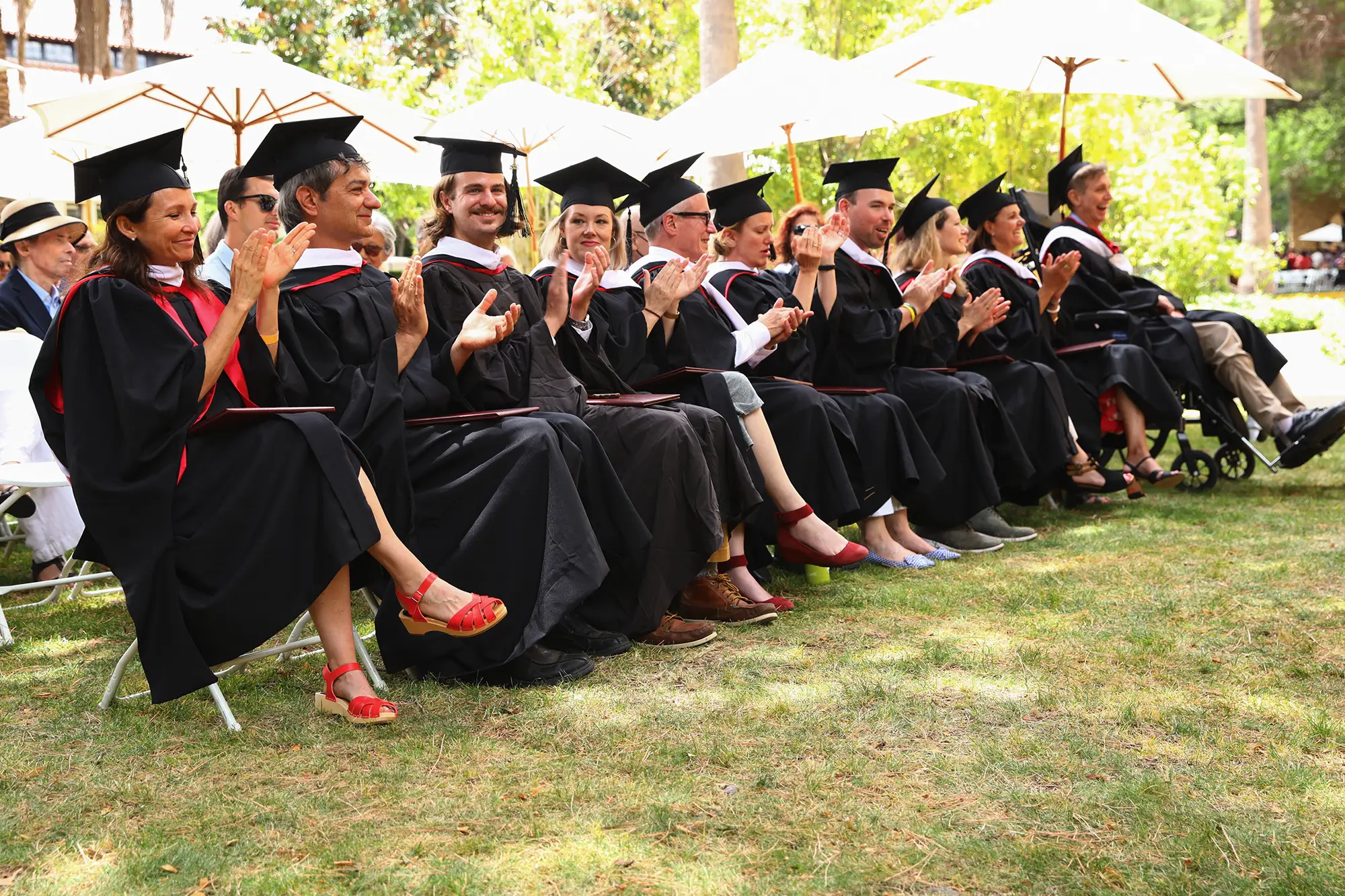
Public Programs

Continuing Studies is pleased to offer a variety of free public programs and special events every year, including lectures, readings, and webinars covering a broad range of subject areas from current affairs to the creative arts.

Learn more about upcoming events

Master of Liberal Arts
Stanford Master of Liberal Arts
Start your next chapter with a part-time, evening graduate degree in the liberal arts.

Stanford’s Master of Liberal Arts Program (MLA) offers an extraordinary opportunity to pursue an interdisciplinary course of study in the liberal arts and earn your master’s degree at one of the world’s great centers of learning. Designed with busy adults in mind, this part-time graduate degree program holds classes in the evenings and offers a flexible academic schedule.

I

n the MLA Program, students form a close-knit cohort that takes courses taught by Stanford faculty. Areas of study include history of science, philosophy, literature, environmental studies, political science, history, and more. Students will hone their ability to write persuasively and creatively, develop compelling arguments, conduct original research, and integrate thinking from multiple disciplines. For many students, these are ends in themselves. For others, these skills serve them well in their professional lives.

MLA applications are accepted from September through January, with classes beginning in September of the following academic year. For more information on the program and admissions details, please visit: mla.stanford.edu.

Taking Stanford Continuing Studies courses can be excellent preparation for applying to the MLA Program. Each quarter, the MLA Program recommends courses that are similar in subject and format to seminars you would find in MLA study.
Stanford flag with leaves in front
© Robert Siegel
Whether you prefer the flexibility of online classes or the vibrant atmosphere of in-person sessions, we look forward to seeing you this Winter Quarter!

Registration opens November 30, 2026, and the quarter begins the week of January 4, 2027.