
Stanford Continuing Studies Winter Courses 2026

Stanford Continuing Studies Logo
Winter 2026
Welcome Letter
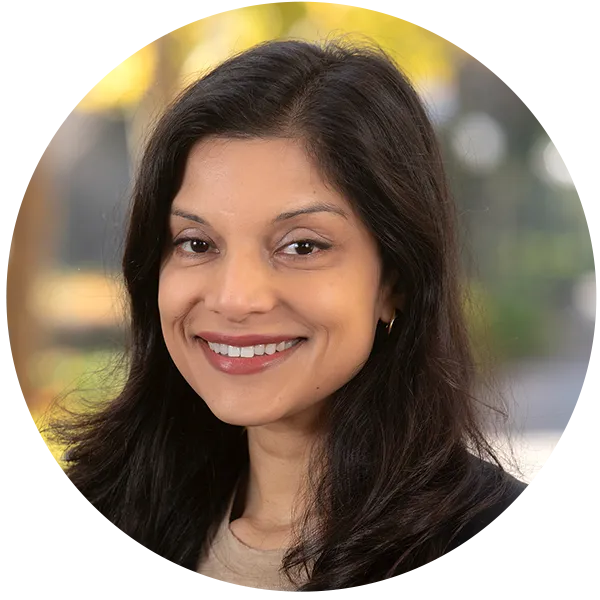
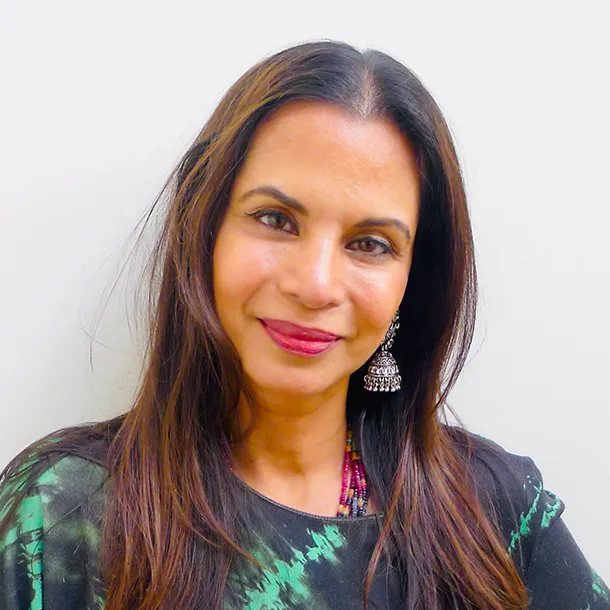
Nita Singh Kaushal headshot

Welcome Letter

Dear Friends,
W

inter has a way of slowing us down. It’s a season that invites reflection, quiet, and the promise of new beginnings. In my own household, it also means a pause from the whirlwind of life with my three school-age boys. Around this time of year, we turn to simple traditions—experimenting with recipes, reading aloud together, and curling up in pajamas to watch holiday movies.

These rituals create space for connection, laughter, and imagining what we’d like the year ahead to hold. Our courses are built with that same spirit in mind. They offer a chance to step outside of routines and explore new ways of thinking—through skills that strengthen professional growth or experiences that enrich our personal lives.

It has been an honor in my role as business and technology curriculum director to select learning experiences that help professionals advance and thrive in meaningful ways. This winter’s offerings focus on the knowledge and insights needed to navigate these rapidly evolving times. Annamaria Lusardi, one of the world’s leading experts on financial literacy, guides learners through Mastering Financial Decision-Making, equipping you with tools for smarter choices in today’s complex economy. AI-Powered Leadership: Transforming Impact in the Digital Age with Mo Lei Fong and Anita Yuen shows how to harness AI to advance both organizational goals and leadership impact. Nestor Maslej explores one of today’s most urgent global competitions in The US-China AI Race and the Battle for Technological Supremacy. And in Agentic AI in Action: From Concepts to Real-World Impact, Nithya Natesan explores the fast-moving field of AI agents and shows how they can be put to work in practical, high-impact ways.

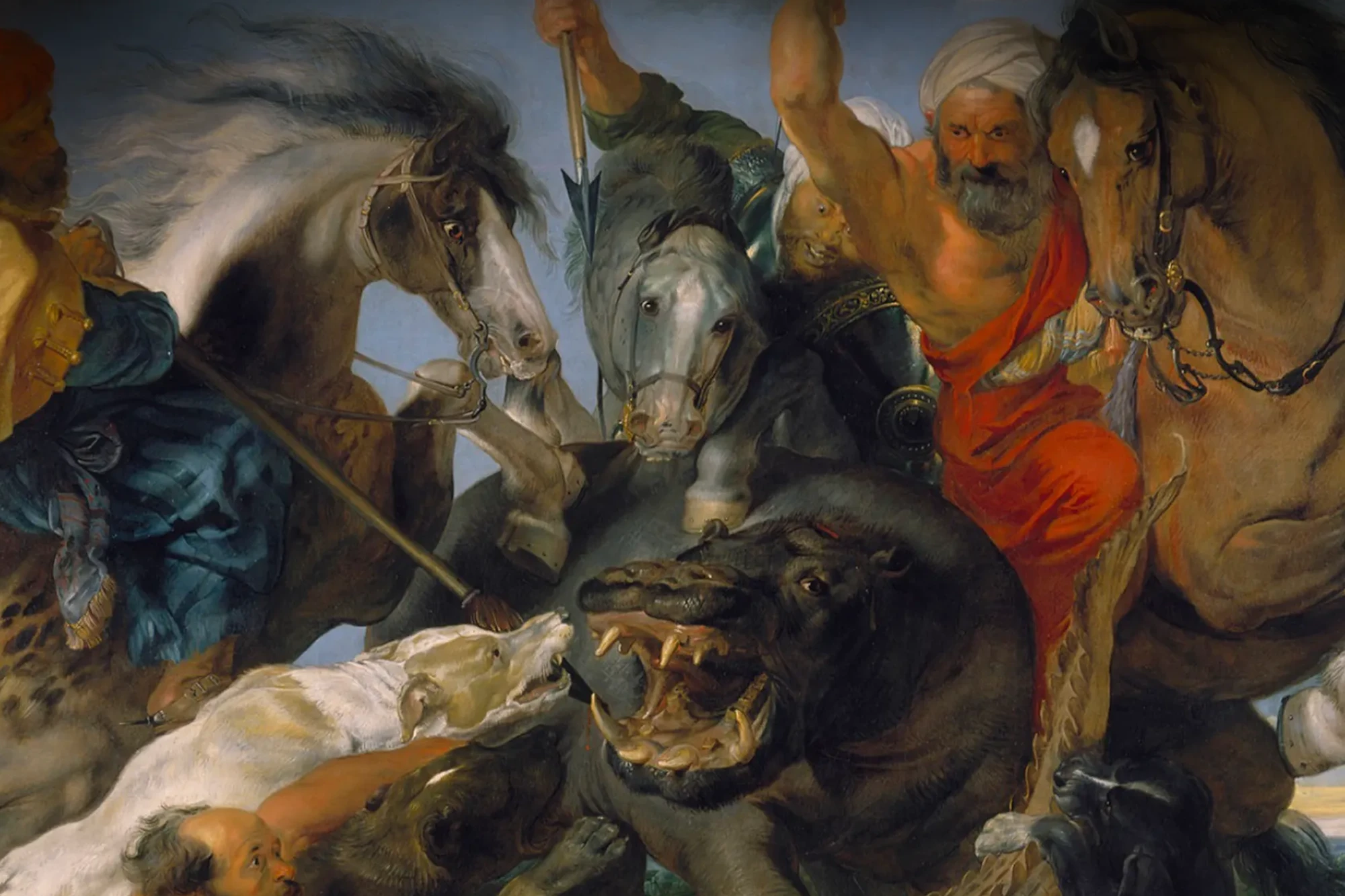
Beyond professional growth, this winter provides opportunities to explore art, history, writing, wellness, and more. Malena Watrous invites you to Write in the New Year, a generative on-campus course that turns a resolution to write more into reality through play, collaboration, and community. Alexander Nemerov illuminates Baroque art in Outlandish Life: Peter Paul Rubens and the Baroque, revealing why the 17th century might just be painting’s greatest era. Stanford historians David Kennedy and Jim Sheehan return with The Cold War and Its Legacies, a course that reflects on history while helping us make sense of our world today. Tara VanDerveer, who retired as the winningest coach in NCAA basketball history, is back with Basketball: A Masterclass, Second Edition, with lessons in leadership, teamwork, and resilience from one of the great icons of sport. And psychologist Kelly McGonigal shares her signature energy and wisdom in The Science and Practice of Joyful Living, a course that feels especially needed right now.

As I think about this season, I feel deep gratitude for a community of learners who bring openness, generosity, and curiosity into every classroom. You are what makes Continuing Studies such a vibrant place. I look forward to welcoming you—on campus or online—for another season of learning, reflection, and possibility.

With warm holiday wishes,

Nita

Nita Singh Kaushal signature

Nita Singh Kaushal
Business and Technology Curriculum Director
Table of Contents

Table of Contents

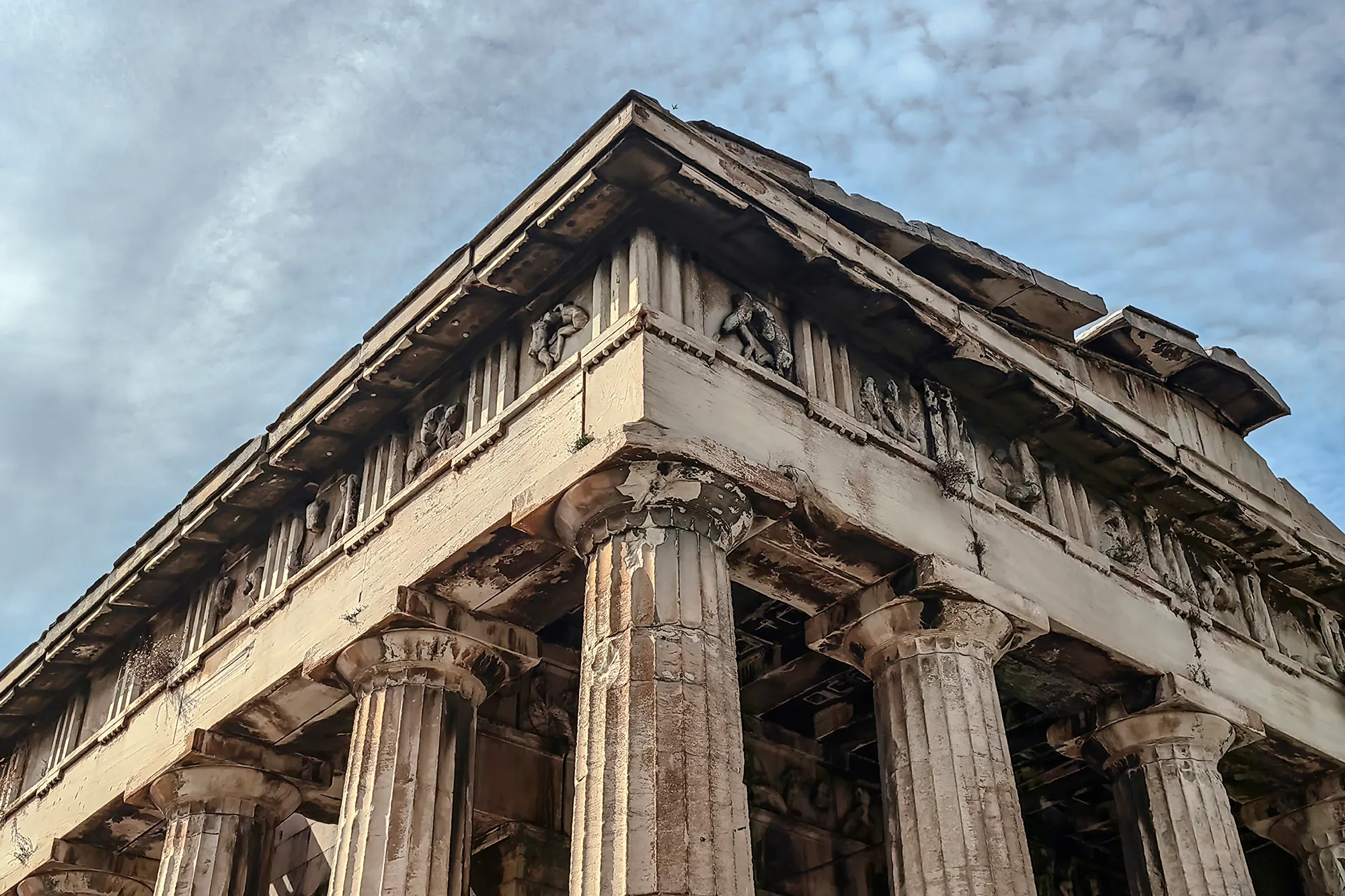
Low-angle view of an ancient Greek temple with detailed stone carvings and weathered columns against a partly cloudy sky, representing history, philosophy, and classical studies.
Liberal Arts & Sciences

Immerse yourself in the liberal arts to awaken your creativity, enhance your critical thinking abilities, and gain a deeper understanding of our complex world.
Watercolor painting of a winter landscape with trees, snow, and a soft pink and blue sky, conveying artistic expression and creativity.
Art Studio

Reignite your capacity for creativity in an art studio course.
Sunlit vineyard with rows of grapevines stretching across rolling green hills and a distant village at sunset, representing winemaking and culinary culture.
Food & Drink

Explore a curated selection of Stanford’s top courses across various disciplines, designed to provide an exceptional learning experience
Stack of three smooth gray stones balanced on raked sand with curved lines in a Zen garden, representing peace, mindfulness, and balance.
Wellness & Health

Prioritize your health and wellness with courses designed to help you build healthy habits and support your mental and emotional well-being.
Vintage black typewriter on a desk with loose alphabet letters floating upward, symbolizing writing, creativity, and storytelling.
Creative Writing

Whether you’re just beginning to write or putting the finishing touches on your first novel, our writing courses offer expert instruction from accomplished authors, individual attention, and supportive feedback.
Silhouettes of people with overlapping colorful speech bubbles above them, symbolizing communication, conversation, and dialogue.
Communication

Hone your communication skills and learn how to convey a clear, compelling, and consistent message.
Colorful sticky notes arranged densely on a wall or board, representing brainstorming, creative planning, and design thinking.
Design

Our business courses will equip you with the knowledge and skills you need to succeed in building your career, launching a startup, or growing a business.
Wooden cubes with human icons connected by white lines on a gray surface, symbolizing networking, communication, and business connections.
Business

Indulge your taste buds in a culinary journey through our Food & Drink courses.
Abstract digital landscape made up of glowing blue dots and contour lines representing data flow and network connections against a dark background.
Technology

Embark on a journey through artificial intelligence, master a new coding language, or dive into the world of data science.
Campus building in background with bushes in the foreground
Writing Certificates

Continuing Studies is pleased to offer a variety of free public programs and special events every year.
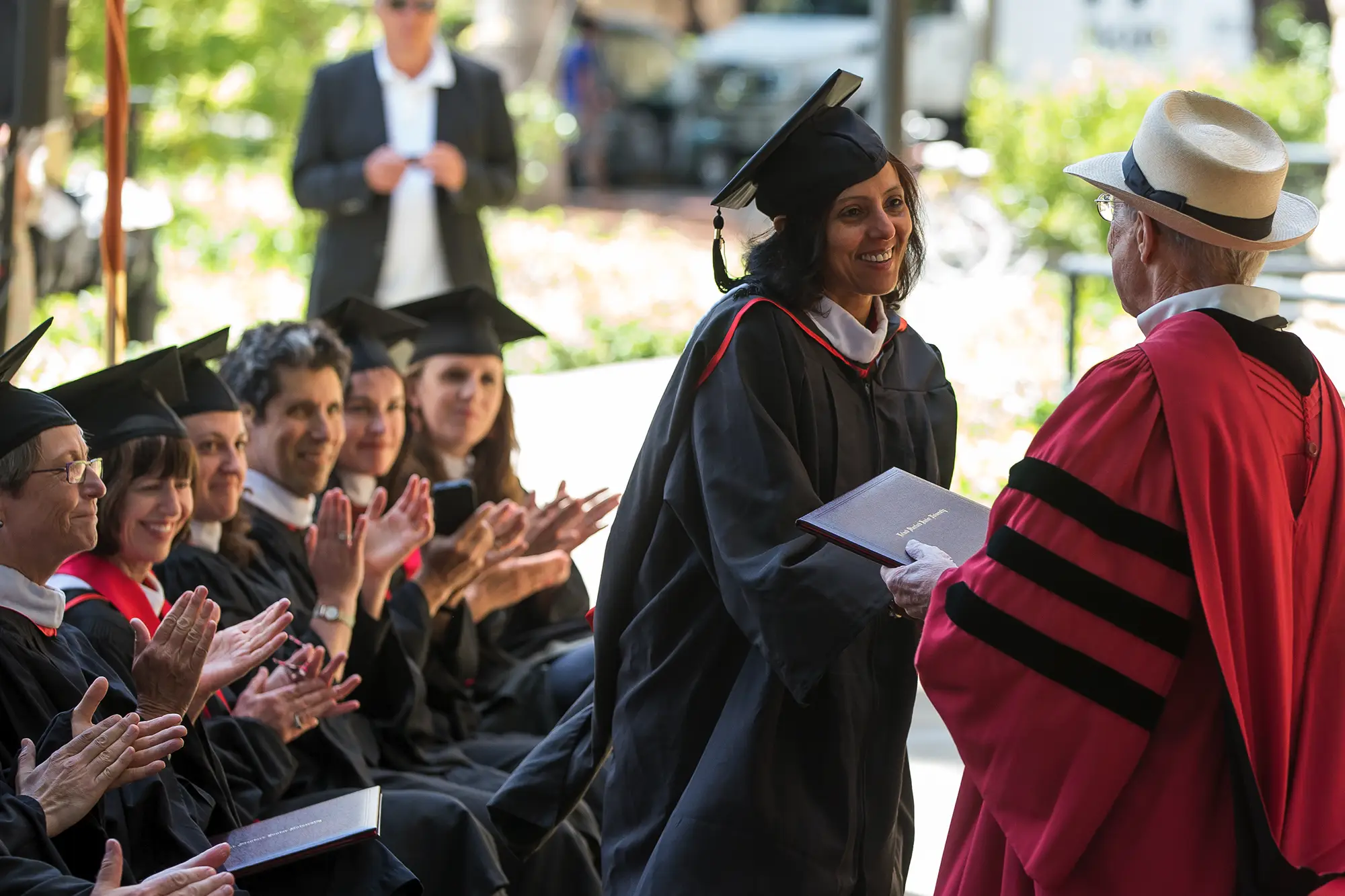
Stanford MLA Graduate shaking hands
Master of Liberal Arts

Start your next chapter with a part-time, evening graduate degree in the liberal arts.
Featured Courses

Featured Courses
Liberal Arts & Sciences

Liberal Arts & Sciences

Immerse yourself in the liberal arts to awaken your creativity, enhance your critical thinking abilities, and gain a deeper understanding of our complex world. From fine arts to film, language to literature, philosophy to history, explore a rich array of courses in the liberal arts and sciences.

Anthropology


Timothy King
Anthropologist, Epigrapher, and Co-Director, Castroville Mammoth Project
This course is an overview of societies of the ancient world that have “disappeared” through conquest, profound cultural change, environmental catastrophe, or self-induced collapse. Explore the dramatic stories of Egypt, Teotihuacán, Harappa, Angkor, Rapa Nui, the Aztec Empire, and the Classic Maya. Learn how conquest, cultural shifts, and environmental collapse reshaped these societies—and what archaeology reveals about their enduring legacies.

Archaeology


Patrick Hunt
Former Director, Stanford Alpine Archaeology Project; Research Associate, Archeoethnobotany, Institute of EthnoMedicine
Journey through the ancient Mediterranean. From the fall of the Minoans and Mycenaeans to the rise of Greek city-states, this course explores how trade, colonization, and cultural exchange shaped one of history’s most dynamic regions. Along the way, we’ll encounter Etruscans, Carthaginians, and Celts, whose influence set the stage for Rome’s dominance. Drawing on archaeology and ancient texts, from Herodotus to Virgil and Livy, we’ll uncover how these societies saw themselves, their neighbors, and their place in the wider world.

Architecture

Anita Honkanen
Clinical Professor of Anesthesiology, Associate Dean for Wellness and Student Life Advising, Stanford Medicine

Eve Edelstein
Adjunct Professor, Anesthesiology, Perioperative and Pain Medicine, Stanford Medicine

This course, led by a Stanford clinician and a neuroscientist with expertise in architecture and anthropology, introduces how design influences physical health and mental function. Drawing on cutting-edge research, the instructors will explore how light, sound, spatial layout, and other design elements shape outcomes in homes, communities and places for care, learning, and work.

Art History


Alexander Nemerov
Carl and Marilynn Thoma Provostial Professor in the Arts and Humanities, Stanford
Step into the drama of the Baroque, where Rubens, Caravaggio, Rembrandt, and Vermeer painted life at its most extreme, including births, betrothals, martyrdoms, and more. This course reveals how Baroque art shocked, dazzled, and redefined what it means to capture the power of being.

Tatiana Legrain
Lawyer and Art Advisor
Discover the hidden workings of San Francisco’s vibrant art market through classroom sessions and guided gallery visits. From the FOG Design+Art Fair to the Minnesota Street Project, you’ll learn how fairs and galleries shape trends, champion artists, and connect with collectors.

Classics


Christopher Krebs
Gesue and Helen Spogli Professor of Italian Studies, Professor of Classics and, by courtesy, of German Studies and of Comparative Literature, Stanford
Witness Rome in turmoil—and in brilliance. This course explores how poetry and history refract a republic in crisis, revealing why political turmoil so often sparks great literature. After the assassinations of Caesar and Cicero, Horace and Sallust produced works that captured the tension, uncertainty, and anxieties of their age. Alongside close readings, we’ll consider the historical backdrop of Rome’s transformation from republic to autocracy.

Barbara Clayton
Independent Scholar
Step into the outrageous and ingeniously imaginative world of Aristophanes, the great comic poet of ancient Greece. From a swarm of wasps to the women of Lysistrata staging a sex strike, Aristophanes’ comedies burst with fearless obscenity, sharp political satire, and wild imagination. We’ll read six of his surviving plays, including Wasps, Clouds, Birds, and Assemblywomen, to see how he lampooned philosophers, politicians, and everyday Athenians alike.

Climate Change & Sustainability


Michael McWilliams
Professor of Earth and Planetary Sciences, Emeritus, Stanford
Franklin (Lynn) Orr
Keleen and Carlton Beal Professor in Petroleum Engineering, Emeritus, Stanford
Climate change is not new. Our planet has experienced dramatic shifts for 4.6 billion years. What is new is the speed of today’s human-driven changes. In this course, we’ll examine how natural forces, from shifting oceans to volcanic eruptions, have shaped Earth’s climate and life through time.

Cultural Studies


Robert Harrison
Rosina Pierotti Professor in Italian Literature, Emeritus, Stanford
Valerie Kinsey
Advanced Lecturer, Program in Writing and Rhetoric, Stanford
“Know thyself” begins with knowing the elements: earth, water, air, and fire. This course explores how these forces shape both our physical existence and our spiritual imagination. From rivers, rain, and sacred fires to the voices of wind and air, we will consider the science, mythology, and philosophy of the four elements. Alongside literature, music, and visual art, we’ll investigate elemental forms in nature and culture, tracing their enduring presence in human thought and creativity.

Filippo Gianferrari
Associate Professor of Literature, UC Santa Cruz
The Renaissance glittered with genius—and blood. While Leonardo painted and Galileo gazed at the stars, Florence seethed with intrigue and violence. Explore how beauty and brutality coexisted, from Dante’s literary world to the Medicis’ ruthless ascent and the infamous Pazzi Conspiracy.

Stacey Jessiman
Founder and Director, Jessiman Law
This course examines the legal, ethical, political, and cultural dimensions of art and heritage theft and destruction. We’ll explore imperial acquisitions, Nazi-looted art, Indigenous heritage, museum heists, and the illicit trade in antiquities. Case studies and guest experts will illuminate current debates on restitution, forgery, looting, and cultural preservation.

John Anderson
Film Critic, The Wall Street Journal
Once considered secondary to film, television now leads the way in complex storytelling. This course traces the evolution of “prestige TV,” from HBO’s The Sopranos and Sex and the City to streaming hits like House of Cards and The Crown, exploring how the medium redefined culture and creativity.

Current Events


Nestor Maslej
Former Research Manager, Institute for Human-Centered Artificial Intelligence, Stanford
As AI reshapes the global balance of power, two nations stand at the forefront: the United States and China. This course examines the unfolding geopolitical contest between these AI superpowers, tracing how the race has evolved, the strategies both nations have employed, and the multidimensional nature of the competition, from talent and research to infrastructure, regulation, and military applications.

Dance Studies


Ronnie Reddick
Lecturer, Department of Theater & Performance Studies, Stanford
Have you ever wanted to try hip hop dance but felt nervous to give it a go? Here’s a chance to learn one of the world’s most popular dance forms effortlessly and enjoyably with a renowned teacher and choreographer. This course is designed to introduce beginning students to hip hop’s vibrant expression of creativity, rhythm, and individuality in a fun and interactive setting.

Film Studies


Elliot Lavine
Film Historian and Filmmaker
Hollywood has always been its own best subject. From the glittering dream factory to its darker underbelly, American cinema has long celebrated and skewered itself on screen. This course surveys 20 films that capture Hollywood’s self-obsession, from classics like Singin’ in the Rain, Sunset Boulevard, and A Star Is Born to biting satires like Sullivan’s Travels and Bombshell, and modern epics like La La Land and Once Upon a Time in Hollywood.

Ericka Knudson
Independent Scholar
Celebrate the daring women of the French New Wave. This course explores how icons like Jeanne Moreau, Anna Karina, Jean Seberg, Brigitte Bardot, Delphine Seyrig, and filmmaker Agnès Varda reshaped cinema by bringing modernity, mystery, and magnetism to the screen. Through groundbreaking performances and unconventional lives, these women redefined female representation on screen and helped drive France’s cinematic revolution from 1955 to 1968.

Mick LaSalle
Film Critic Emeritus, San Francisco Chronicle
The early 1960s were a pivotal moment in cinema, bridging postwar conformity and the upheavals to come. Through films such as Never on Sunday, Carnival of Souls, Goldfinger, A Hard Day’s Night, The Children’s Hour, and A Raisin in the Sun, this course explores how movies reflected shifting politics, culture, and identity, revealing the early 1960s not as a mere prelude, but as a vibrant era in its own right.

Geography


Martin Lewis
Senior Lecturer in International History, Emeritus, Stanford
How do we decide where one continent—or culture—ends and another begins? This course explores the history and controversy of continents and world regions, from Africa’s split into sub-Saharan and North Africa to shifting global maps. Through vivid cartographic examples, we’ll examine how geographic divisions shape our understanding of history, politics, and culture.

History


David Kennedy
Donald J. McLachlan Professor of History, Emeritus, Stanford
James Sheehan
Dickason Professor in the Humanities and Professor of Modern European History, Emeritus, Stanford
Join Stanford historians Jim Sheehan and David Kennedy to examine the US-Soviet rivalry from 1945 to 1989. The course begins with the conflict’s roots in postwar Europe, then traces escalation in Berlin, Vietnam, Cuba, and Korea, highlighting strategies from Truman’s containment to Nixon’s détente. It concludes with Reagan and Gorbachev’s pivotal roles in the Cold War’s endgame and the enduring lessons for today’s tensions with authoritarian powers such as Russia, North Korea, and China.

Julie Taddeo
Research Professor of British History, University of Maryland
Discover why the Victorians still captivate us in this course that examines England’s social and cultural life from 1830 to 1900, spanning Buckingham Palace, the parlors of the prosperous middle class, and the slums of London’s East End. We will encounter the queen who modernized the monarchy while promoting ideals of self-help and domesticity that shaped laws on poverty—and gave rise to Dickensian workhouses.

Filippo Gianferrari
Associate Professor of Literature, UC Santa Cruz
The Renaissance glittered with genius—and blood. While Leonardo painted and Galileo gazed at the stars, Florence seethed with intrigue and violence. Explore how beauty and brutality coexisted, from Dante’s literary world to the Medicis’ ruthless ascent and the infamous Pazzi Conspiracy.

International Studies


Marwan Hanania
Historian
Why does the Middle East remain at the center of global headlines? This course traces the region’s journey from the Ottoman Empire’s fall to today, exploring colonial legacies, Israel’s creation, Pan-Arabism, oil politics, and political Islam.

Languages


Heather Howard
Lecturer in French, Stanford
Continue your French journey in Part II of this three-course “Beginning French” series. Designed for students with basic conversational skills, the course expands vocabulary on family, leisure, and work while strengthening oral and written proficiency through texts, songs, and video. Students will also explore French culture and practice real-world communication.

Giovanni Tempesta
Advanced Lecturer in Italian, Stanford
Learn how to speak Italian in this introductory course. Engage in simple Italian conversations covering everyday topics and develop practical skills to handle common transactions such as renting a car, making hotel and restaurant reservations, and ordering food.

Giovanni Tempesta
Advanced Lecturer in Italian, Stanford
If you already have a basic ability to converse in Italian, this course will help take your skills to the next level. Using a “building block” approach, we’ll focus on expanding vocabulary and grammar to strengthen both written and spoken fluency. Authentic Italian media, including videos, newspapers, and magazines, will deepen your language skills and cultural understanding.

María Cristina Urruela
Former Lecturer in Spanish, Stanford
It’s time to speak Spanish with confidence! This immersive course is your gateway to oral proficiency and comprehension, offering a vibrant exploration of the Spanish-speaking world and its rich cultures.

María Cristina Urruela
Former Lecturer in Spanish, Stanford
This course welcomes students who can meet and greet others, express likes and dislikes, and talk about daily activities in present-tense Spanish. This course emphasizes interpersonal communication through class activities such as role-plays, conversational exchanges, and short presentations where students share their passions and interests.

Law & Policy


William Simon
William W. and Gertrude H. Saunders Professor of Law, Emeritus, Stanford; Arthur Levitt Professor of Law, Emeritus, Columbia

We are in the midst of the most turbulent constitutional struggle in the United States since the Reconstruction era, with the presidency at its center. This course examines the constitutional foundations of presidential power, how they have evolved through war, reconstruction, and administrative expansion, and what today’s moment reveals about the balance of powers in a divided nation. We will assess claims that the presidency is drifting toward dictatorship and consider whether the US constitutional system is equipped to prevent executive overreach.

Stacey Jessiman
Founder and Director, Jessiman Law

This course examines the legal, ethical, political, and cultural dimensions of art and heritage theft and destruction. We’ll explore imperial acquisitions, Nazi-looted art, Indigenous heritage, museum heists, and the illicit trade in antiquities. Case studies and guest experts will illuminate current debates on restitution, forgery, looting, and cultural preservation.

Literature


Michael Krasny
Professor of English, Emeritus, SF State

This course explores the shift from George Bernard Shaw’s dominance of English-language drama in the late 19th and early 20th centuries to the groundbreaking voices that followed World War II. Readings include Arthur Miller’s Death of a Salesman, Samuel Beckett’s Waiting for Godot, and enduring plays by Tennessee Williams, Eugene O’Neill, Edward Albee, Harold Pinter, Tom Stoppard, and more.

Abigail Heald
Lecturer in Literature, UC Santa Cruz

Explore Shakespeare’s Henriad, a sweeping portrait of power and transformation. In Richard II, Henry IV Parts 1 and 2, and Henry V, Shakespeare asks enduring questions: When is rebellion justified? Can morality coexist with power? Alongside political intrigue, the plays probe strained father-son bonds, the crafting of public image, and the shaping of history on stage.

Anne Hruska
Senior English Instructor, Stanford Online High School

Dive into Dostoevsky’s masterpiece, The Brothers Karamazov. Both a gripping murder mystery and a profound exploration of faith, freedom, love, and loss, the novel explores jealousy, violence, and crises of belief. We’ll read it within its historical context, considering its enduring philosophical questions and Dostoevsky’s vision of redemption and brotherhood.

Robert Siegel
Author and Writing Coach

One of the best ways to strengthen your fiction is by reading short stories with a writer’s eye. In this course, we’ll analyze five diverse works by masters such as Sarah Shun-lien Bynum, Zadie Smith, and Yiyun Li. Each story, unique in subject and style, reveals key lessons in scene, exposition, subtext, conflict, resolution, and narrative change. You’ll uncover how these elements work on the page and apply them in short writing exercises.

Media Studies


John Anderson
Film Critic, The Wall Street Journal
Once considered secondary to film, television now leads the way in complex storytelling. This course traces the evolution of “prestige TV,” from HBO’s The Sopranos and Sex and the City to streaming hits like House of Cards and The Crown, exploring how the medium redefined culture and creativity.

Medicine


Bruce Fogel
Adjunct Professor, Division of Clinical Anatomy, Department of Surgery, Stanford Medicine

Miguel Angeles
Clinical Assistant Professor, Division of Clinical Anatomy, Department of Surgery, Stanford Medicine

Beth Habelow
Lecturer, Division of Clinical Anatomy, Stanford Medicine

Explore cadaver specimens and digital technologies used by Stanford medical students and surgeons in the treatment and care of patients. Learn how to identify anatomical structures and common clinical conditions affecting the abdomen, with emphasis on the gallbladder, appendix, and reproductive system.

Clyde Wilson
Research Associate, Biochemistry, UC San Francisco

Get ready to kickstart a healthier you in the New Year! Explore the intricate relationship between nutrition, exercise, sleep, and stress on your metabolism. Develop a personalized plan to boost your metabolism and achieve your health and fitness goals.

Lucy Tompkins
Lucy Becker Professor of Medicine, Emerita (Infectious Diseases and Geographic Medicine), Stanford Medicine

Julie Parsonnet
George DeForest Barnett Professor of Medicine and Professor of Epidemiology and Population Health, Stanford Medicine

Epidemics have long reshaped human history, from the Plagues of Egypt to Covid, but they have also spurred extraordinary advances in science and medicine. Led by two Stanford Medicine professors, this course explores five transformative diseases—plague, yellow fever, cholera, influenza, and tuberculosis—and how they redirected both history and medicine.

Anita Honkanen
Clinical Professor of Anesthesiology, Associate Dean for Wellness and Student Life Advising, Stanford Medicine

Eve Edelstein
Adjunct Professor, Anesthesiology, Perioperative and Pain Medicine, Stanford Medicine

This course, led by a Stanford clinician and a neuroscientist with expertise in architecture and anthropology, introduces how design influences physical health and mental function. Drawing on cutting-edge research, the instructors will explore how light, sound, spatial layout, and other design elements shape outcomes in homes, communities and places for care, learning, and work.

Music Studies


Jim Nadel
Lecturer, Department of Music, Stanford; Founder and Director Emeritus, Stanford Jazz Workshop
Discover the nuances of jazz, studying its language, structure, and the intricate interplay among its elements. Uncover the methods of legendary artists like Louis Armstrong, Charlie Parker, Miles Davis, and John Coltrane, gaining insight into their distinctive approaches. Engage in discussions, demonstrations, and an in-depth look at improvisation techniques to develop a genuine appreciation for jazz as an essential component of musical ensembles.

Kip Cranna
Dramaturg Emeritus, San Francisco Opera
This course brings to life the world of Giacomo Puccini, the last of the great Italian opera composers, celebrated for his soaring melodies, dramatic intensity, and emotional realism. We will explore the events, passions, and struggles that shaped his unforgettable music, from the tragic romance of La bohème to the raw power of Tosca, where real-life characters and dilemmas take center stage.

Nurit Jugend
Composer
Love has always inspired music’s greatest works. This course explores how composers expressed love in its many forms—romantic, spiritual, artistic, and natural—through pieces like Schubert’s The Trout, Bizet’s Carmen, and Bernstein’s West Side Story, as well as works by Stravinsky, Beethoven, Messiaen, Rachmaninoff, Verdi, and Handel.

Nature & Conservation Studies


Alison Laurence
Lecturer, UC Santa Cruz
Extinction is a natural part of life, but human activity has accelerated the process into what some scientists call the “Sixth Mass Extinction.” From the dodo to the American bison, this course explores disappearance and survival, examining how biology, human behavior, and conservation shape species’ fates. We’ll also consider de-extinction efforts, genetic experiments, and cultural portrayals from Jurassic Park to today.

Philosophy


Frederick Dolan
Professor of Rhetoric, Emeritus, UC Berkeley
Step into one of philosophy’s most daring works. Martin Heidegger’s Being and Time is celebrated as a masterpiece of 20th-century thought. We’ll read and unpack Heidegger’s complex text together, exploring his influential ideas on existence, truth, language, and time in an accessible, supportive setting.

Stephen Friesen
Adjunct Professor, Department of Philosophy, University of San Francisco
What is life, and how should we understand it? The philosophy of biology asks not just what biology discovers, but how it discovers, and what its methods and assumptions reveal about life itself. This course traces ideas from Darwin’s “struggle for existence” to contemporary debates on animal consciousness, exploring how evolutionary and ecological thought shape questions of human nature, responsibility, and our connection to the planet.

Psychology


Dona Tversky
Clinical Assistant Professor, Psychiatry and Behavioral Sciences, Stanford
Explore the psychology of everyday life. Modeled on a popular Stanford course, this discussion-based class examines how early relationships, emotions, and contradictions shape who we are. Acting as “psychological detectives,” students will gain insight into the mind’s complexity and the foundations of psychotherapy.

Natalie Solomon
Clinical Assistant Professor, Department of Psychiatry and Behavioral Sciences, Stanford Medicine
Discover the transformative power of cognitive behavioral therapy (CBT) in understanding and managing emotions. This course explores the principles and theory behind CBT, equipping you with invaluable tools to navigate distressing emotions and break free from negative thought patterns.

Kelly McGonigal
Lecturer, Stanford Graduate School of Business
Joy is the human capacity to feel uplifted by something that is, at its essence, “good.” Explore the physiological, mental, and social benefits of joy and learn practical strategies rooted in psychology and neuroscience to help you harness and choose joy as a deliberate and empowering force in your life. Discover the transformative impact of cultivating joy as a daily choice and unlock the potential for greater fulfillment and happiness.

Science


Robert Siegel
Professor (Teaching) of Microbiology and Immunology, Stanford Medicine
Take a journey through the realm of nature photography, where you’ll explore themes like ecological preservation and the artistry of capturing nature’s marvels. Deepen your connection with the natural world, ignite your powers of observation, and facilitate the communication of complex scientific ideas, all through the captivating language of visual and verbal storytelling.

Michael McWilliams
Professor of Earth and Planetary Sciences, Emeritus, Stanford
Franklin (Lynn) Orr
Keleen and Carlton Beal Professor in Petroleum Engineering, Emeritus, Stanford
Climate change is not new. Our planet has experienced dramatic shifts for 4.6 billion years. What is new is the speed of today’s human-driven changes. In this course, we’ll examine how natural forces, from shifting oceans to volcanic eruptions, have shaped Earth’s climate and life through time.

Sports


Tara VanDerveer
Former Head Women’s Basketball Coach, Stanford
Jump back into the action with legendary coach Tara VanDerveer. In this reimagined “Basketball: A Masterclass,” VanDerveer shares insights on leadership, recruiting, team culture, and elite performance while unpacking basketball’s global rise. Fans and newcomers alike will gain a championship coach’s perspective through “Chalk Talks,” guest speakers, and insider stories.

Art Studio

Art Studio

Reignite your capacity for creativity in an art studio course. From drawing and photography to creating your own podcast or video, our courses will help you develop your skills and find inspiration that will truly elevate your creative expression.

Audio, Video & Film


Laura Joyce Davis
Former Lecturer and Managing Editor, Stanford Storytelling Project
Have you ever marveled at the mesmerizing narratives in your favorite podcasts and wondered how they’re crafted? Learn how to transform stories into captivating podcast episodes through the use of scriptwriting, narration, audio editing, and sound design. Gain hands-on experience with audio editing tools and leave the course with a toolkit of techniques to enhance your future podcasting projects.

Digant Kasundra
Founder, Dead Set Films
This course is designed for beginners to learn the fundamentals of video creation, covering scriptwriting, storyboarding, shooting, and editing techniques using DaVinci Resolve. Students will analyze professional films and commercials, apply filmmaking strategies, and ultimately produce and publish their own short video.

Drawing, Painting & Other Media


Trevor Tubelle
Artist
Held in a supportive and relaxed atmosphere, this course approaches drawing as a powerful method of expression involving physical dexterity, mental flexibility, and emotional courage. It covers pencil techniques, such as crosshatching and gradation, and subjects from landscape to still life, equipping you with essential skills for your drawing journey.

Lauren Toomer
Lecturer, Department of Art & Art History and Division of Clinical Anatomy, Stanford
Based on the Art and Anatomy courses for Stanford medical students, this course is a unique opportunity to explore the human body with the eye of an artist. Through hands-on drawing and step-by-step guidance, you’ll develop both your artistic skills and anatomical knowledge, leaving you with the ability to depict the human skeleton with creativity and accuracy.

John Peck
Instructor, Triton Museum of Art
Whether you’re a beginner or an experienced artist, this course will equip you with the techniques to create realistic portraits and serve as a valuable foundation for future painting endeavors. Using a small mirror, we will distinguish between our imagination and what our eyes actually see. This approach will lead to an entirely objective way of seeing and drawing the realistic portrait.

Wendy Liu
Lecturer in Art Practice, Stanford
Learn to see and draw the world around you. In this hands-on course, you’ll explore the fundamentals of observational drawing, including perspective, composition, light, shadow, and tonal value, through guided practice and examples from master artists. By the end, you’ll create expressive sketches of both natural and urban landscapes.

Erin Gleeson
Photographer and Cookbook Author
This hands-on course introduces beginners to the art of watercolor painting through the vibrant colors and forms of seasonal fruits, vegetables, and edible flowers. Students will learn foundational techniques—like wet-on-wet blending, color mixing, layering, and texture-building—and apply them to create expressive, nature-inspired compositions rooted in the beauty of seasonal produce.

Katie Hawkinson
Artist
Unlock the world of abstract art by exploring how it draws inspiration from the observed world while transforming elements like color, shape, and composition to convey emotions and truths. Reflect on the techniques of renowned artists like Cézanne, Matisse, and Kandinsky, and develop your own modern aesthetic using water-based media in this enriching course.

Mark Fearing
Author and Illustrator
Dive into the art and imagination of the graphic novel. What began as a niche form in the 1960s has exploded into a global medium for memoir, journalism, epic history, and bold fiction. Explore its rich roots in ancient visual storytelling and follow its growth across continents—from bandes dessinées and manga to American comics and manhua. Along the way, uncover how artists script, illustrate, and publish these powerful stories.

Ann Miller
Fine Artist, Calligrapher, and Designer
Develop a deep understanding of the art of calligraphy as you master formal scripts and explore the expressive nature of letterforms. From the fundamentals of stroke techniques and page layout to contemporary freehand writing, you’ll build confidence in your ability to write diverse scripts.

Photography


Yoni Mayeri
Photographer, Artist, and Educator
Learn to turn your everyday iPhone photos into stunning pictures. Explore the built-in Photos app for editing and enhancing images, optimize the features of the native camera, and discover third-party editing applications and accessories to enhance your images.

Joel Simon
Documentary and Fine Art Photographer
Unlock the creative potential of your digital camera with this introductory course that covers both the artistic and technical aspects of photography. Learn the fundamentals of storytelling, composition, and light while gaining a deep understanding of your camera’s features and their creative applications.

John Todd
Landscape, Commercial, and Sports Photographer
Capture the beauty of the outdoors through your lens. This beginner-friendly course covers the essentials of landscape photography, including composition, camera settings, visualization, and developing your personal style. Whether using a smartphone or DSLR, you’ll gain the skills and inspiration to create memorable images of the natural world.

Joel Simon
Documentary and Fine Art Photographer
John Lambert
Photographer
Have you ever wondered if a photograph truly reflects what the camera captured? This course explores how post-capture edits such as exposure, cropping, contrast, white balance, and color saturation can enhance storytelling. Along the way, we’ll ask what makes an image compelling and consider visual integrity, literacy, and the ethics of photo manipulation in today’s digital and AI-driven world.

Robert Siegel
Professor (Teaching) of Microbiology and Immunology, Stanford Medicine
Take a journey through the realm of nature photography, where you’ll explore themes like ecological preservation and the artistry of capturing nature’s marvels. Deepen your connection with the natural world, ignite your powers of observation, and facilitate the communication of complex scientific ideas, all through the captivating language of visual and verbal storytelling.

Food & Drink

Food & Drink

Indulge your taste buds in a culinary journey through our Food & Drink courses. From wine and coffee to chocolate and cheese, our courses are designed to broaden your knowledge and feed your curiosity.

Food & Drink Courses

Liz Thach
President, Wine Market Council
Grab a glass and settle in for this introduction to the essentials of wine. From grape varietals and the winemaking process to tasting vocabulary and food pairing, you’ll learn everything you need for greater confidence in choosing, tasting, and serving wine. The course will include glimpses of the world’s great wine-growing regions, as well as guided tastings (optional) with each session.

Wellness & Health

Wellness & Health

Prioritize your health and wellness with courses designed to help you build healthy habits and support your mental and emotional well-being. Explore courses taught by psychologists, physicians, health advisors, and other experts in their field.

Emotional & Mental Health


Kelly McGonigal
Lecturer, Stanford Graduate School of Business
Joy is the human capacity to feel uplifted by something that is, at its essence, “good.” Explore the physiological, mental, and social benefits of joy and learn practical strategies rooted in psychology and neuroscience to help you harness and choose joy as a deliberate and empowering force in your life. Discover the transformative impact of cultivating joy as a daily choice and unlock the potential for greater fulfillment and happiness.

Tony Shen
Connections Coach
Decades of research show that the single most important factor for a healthier and happier life is good relationships. This course blends evidence-based findings from psychology and social science with practical, fun exercises to help you create and strengthen friendships. We’ll explore the science and importance of building friendship through mutuality, affection, and vulnerability within a supportive learning cohort.

Dona Tversky
Clinical Assistant Professor, Psychiatry and Behavioral Sciences, Stanford
Explore the psychology of everyday life. Modeled on a popular Stanford course, this discussion-based class examines how early relationships, emotions, and contradictions shape who we are. Acting as “psychological detectives,” students will gain insight into the mind’s complexity and the foundations of psychotherapy.

Natalie Solomon
Clinical Assistant Professor, Department of Psychiatry and Behavioral Sciences, Stanford Medicine
Discover the transformative power of cognitive behavioral therapy (CBT) in understanding and managing emotions. This course explores the principles and theory behind CBT, equipping you with invaluable tools to navigate distressing emotions and break free from negative thought patterns.

Life Design


Campbell Frank
Facilitator, Interpersonal Dynamics, Stanford Graduate School of Business
Uncover the transformative potential of emotional intelligence (EQ) as we blend ancient wisdom with modern science and practical techniques. Journey through philosophy, mindfulness, and experiential practices to develop a deeper awareness of emotions and enhance your decision-making, relationships, and overall well-being.

Patricia Madson
Senior Lecturer, Emerita, Department of Theater & Performance Studies, Stanford
Improv is more than comedy—it’s a life skill. This course introduces the principles of improvisation to help you adapt to change, think and speak spontaneously, collaborate with others, and turn mistakes into opportunities for creativity, resilience, and connection.

Raj Bhargava
Educator and Entrepreneur
What would it take to design a more fulfilling life? This course helps you identify the areas that matter most and create a focused plan for transformation. Drawing on behavioral science research about meaning, mindsets, vulnerability, and habits, we’ll apply design thinking, engage in reflection, and collaborate with classmates to spark creativity. AI tools will also serve as collaborators for brainstorming ideas.

Nutrition


Rosane Oliveira
President & CEO, Plant-Based Life Foundation
Plant-based nutrition is one of the most powerful ways to improve your health, manage weight, and contribute to a more sustainable world. Discover the fads, facts, and fiction surrounding different plant-centered diets, including Mediterranean, Blue Zones, vegetarian, vegan, and whole-food plant-based. Learn what foods to eat and what foods to avoid to promote health, vitality, and longevity.

Clyde Wilson
Research Associate, Biochemistry, UC San Francisco
Get ready to kickstart a healthier you in the New Year! Explore the intricate relationship between nutrition, exercise, sleep, and stress on your metabolism. Develop a personalized plan to boost your metabolism and achieve your health and fitness goals.

Physical Health & Well-Being


Quinn Kennedy
Director of Aging Research, neuroFit
This course focuses on the often-overlooked aspect of retirement planning: maintaining cognitive health into our later years. We will explore pragmatic, evidence-based strategies for enhancing brain health through physical exercise, social connections, diet, and sleep; critically evaluate brain-training products and supplements; and create a personalized plan for integrating cognitive-boosting activities into our daily routines for a mentally active retirement.

Anita Honkanen
Clinical Professor of Anesthesiology, Associate Dean for Wellness and Student Life Advising, Stanford Medicine

Eve Edelstein
Adjunct Professor, Anesthesiology, Perioperative and Pain Medicine, Stanford Medicine

This course, led by a Stanford clinician and a neuroscientist with expertise in architecture and anthropology, introduces how design influences physical health and mental function. Drawing on cutting-edge research, the instructors will explore how light, sound, spatial layout, and other design elements shape outcomes in homes, communities and places for care, learning, and work.

Creative Writing

Creative Writing

Whether you’re just beginning to write or putting the finishing touches on your first novel, our writing courses offer expert instruction from accomplished authors, individual attention, and supportive feedback. Choose from courses in creative nonfiction, fiction, poetry, memoir, magazine writing, travel writing, the short story, and more.

Genre


Lauren Oakes
Environmental Scientist and Writer

Behind every scientific breakthrough is a story that could change how we see the world. This course is designed for scientists, researchers, and science communicators who want to translate complex findings and technical topics into compelling narratives that will resonate with both experts and general audiences.

Jarrod Shusterman
Author

Sofía Lapuente
Author

Mysteries, thrillers, and horror stories trace back to the dawn of storytelling, and they’ve never been more popular. This workshop explores the psychological and narrative techniques that make these stories so compelling, with a focus on creating suspense and dread that builds from page to page.

Jeanne De Vita
Author and Editor

Romantasy is booming as readers seek immersive, emotionally satisfying escapes. Crafting a successful romantasy novel requires the intricate world-building of fantasy and the emotional arc and happy ending promised by romance—a challenge this course will unpack. You’ll learn to build compelling worlds, craft swoon-worthy arcs, and weave magic with love to create stories that captivate readers and stand out in a hot market.

Memoir & Creative Nonfiction


Rachel Howard
Author

This exploratory course in creative nonfiction focuses on transforming everyday details into universal experiences through various forms, from lyric to narrative. By studying authors like Richard Rodriguez, Grace Paley, Joan Didion, and Amy Tan, students will learn to uncover deeper truths in their writing, discovering meaning rather than imposing it.

Samina Ali
Author

Always wanted to tell your story but struggled to start? This course brings the energy of National Novel Writing Month (NaNoWriMo) to memoir. You’ll map your book, then draft 1,500 words a day, five days a week, supported by prompts, craft lessons, and live sessions. An accountability thread will keep you motivated and on track. By the end, you’ll have a complete draft—and the confidence and tools to shape it into a memoir worth sharing.

Marisa Handler
Author and Coach

Discover the freedom and power that come from writing your truth. In this two-day workshop, you’ll learn how to write from pain without collapsing into it—and how to stay true to your story without abandoning yourself. We’ll also navigate questions of who gets to tell which stories, examining the ethical and relational stakes of memoir.

Mike Scalise
Author

At heart, every memoir is a story about time—how we remember it and how we guide the reader through it. Yet shaping time on the page is one of the memoirist’s toughest challenges. Discover how time can serve as the foundation of your memoir’s structure, exploring strategies to shape individual chapters and build coherence and momentum across the whole.

Narrative Craft


Robert Hoekman Jr.
Author

At the core of every unforgettable piece of writing lies its driving force: the sentence. This course explores the art of crafting sentences that truly resonate, focusing on techniques for dynamic composition, structure, and syntax. Through hands-on exercises in rhythm, precision, and style, you’ll learn how to turn ordinary sentences into powerful, captivating ones—emphasizing the impact of verbs, sound, and unexpected twists.

Thomas McNeely
Author

Plot is the engine of a story, and often one of the hardest skills to master. Discover how to propel your narrative momentum using vivid characters. You’ll learn to introduce characters with specificity, subvert stereotypes, plant questions that spark curiosity, and structure backstory for emotional impact. We’ll also explore how to heighten tension by contrasting what a character thinks, says, and does, and by developing secondary characters who reflect or challenge your protagonist.

Deborah Johnson
Author

Do you have an idea for a novel or a work of creative nonfiction but feel overwhelmed by not knowing how to write your story? This course, which is appropriate for writers of all levels, will demystify the art of storytelling by teaching you how to write scenes—the basic building blocks of all stories, whether real or imagined.

Evgeniya Dame
Author

Finding the best point of view for a story is like choosing the door through which to enter a house. In this course, we’ll explore how perspective shapes story, plot, and character. We’ll examine the intimacy of first person, the control of omniscient narration, the challenges of second person, and the risks and rewards of shifting perspective midstream.

Novel


Stephanie Reents
Author

Writing a novel is challenging. Whether you are stuck at chapter two, are lost in the middle, or could use accountability and guidance, this course is designed to help you on your journey by providing the inspiration and structure needed to draft the next pages of your manuscript. Lectures on craft topics such as drama and improbability, raising the stakes, making scenes, and deepening point of view will enable you to bring new energy into your writing process and keep your momentum going as you near your final destination.

Wally Rudolph
Author

If you’re eager to write a novel but unsure where to begin, this course will provide the tools and guidance to take you from the initial idea to the first chapters, using a reflective and structured approach. We’ll start by examining the core elements of storytelling: plot, character, and structure. Explore traditional and nonlinear storytelling techniques and address common obstacles like unruly characters, tangled plots, and low-tension scenes.

Angela Pneuman
Author

What gives a piece of fiction its spark and the power to capture a reader’s attention from page one? In this workshop, we’ll learn how to produce that kind of writing, through vivid details, imperfect characters, and specific conflicts that unfold with urgency. We’ll read fiction by authors like Julie Otsuka, Yiyun Li, and John Edgar Wideman to see how their work engages us emotionally, intellectually, and stylistically.

Poetry


D.S. Waldman
Author

This course is about transforming thoughts, experiences, and emotions into language that sings and words that come alive on the page. We will study melodic poetry by Louise Glück, Ada Limón, Ross Gay, Carl Phillips, Elizabeth Bishop, and others, exploring how prosody, idiom, syntax, and even the occasional rhyme can shape poems that linger in the ear.

Shann Ray
Poet

Inspired by Emily Dickinson’s ability to turn everyday images into profound ideas, this course will help you transform what you see around you into powerful poetry while also pushing beyond the confines of what you know. We’ll study the elements of craft, from what sparks a poem to the music of its lines, exploring how to write about transformation and end with resonance.

Caroline Goodwin
Author

Consider this course an immersion in your creative process. You’ll explore your experiences for poetic material, develop sustainable writing habits, and experiment with content and form. Through readings of Gerard Manley Hopkins, Anne Waldman, and Robert Hass, you’ll expand your sense of what poetry can do and leave with new work, fresh insights, and clear goals for your writing journey.

Prompt-Driven Writing


Malena Watrous
Writing Certificate Lead and Creative Writing Coordinator, Stanford Continuing Studies

If one of your New Year’s resolutions is to stop dreaming about writing and start putting words on the page, this course is here to help. Designed for beginners, returning writers, and anyone feeling stuck, it’s perfect for procrastinators and busy people since all writing happens in class. Your only homework is to carry a notebook, jot observations, and let your mind wander.

Publishing


Emma Nelson
Editorial Director, Owl Hollow Press

The publishing world can feel overwhelming, but knowing your options is the first step. This course provides a comprehensive overview of traditional publishing, self-publishing, and hybrid models that combine elements of both. You’ll also learn the essentials of manuscript preparation, how to query literary agents, and the roles editors and publishers play in bringing a book to life, equipping you with the knowledge to navigate your own publishing journey.

Reading Like a Writer


Robert Siegel
Author and Writing Coach

One of the best ways to strengthen your fiction is by reading short stories with a writer’s eye. In this course, we’ll analyze five diverse works by masters such as Sarah Shun-lien Bynum, Zadie Smith, and Yiyun Li. Each story, unique in subject and style, reveals key lessons in scene, exposition, subtext, conflict, resolution, and narrative change. You’ll uncover how these elements work on the page and apply them in short writing exercises.

Short Story


Sarah Stone
Author

Flash writing—stories and essays between 300 and 1,500 words—blends richness with brevity to capture unforgettable characters, moments, and mysteries. In this course, we’ll explore international examples and study how writers shape structure, time, and voice. Learn to craft flash works that resonate with power and precision.

Shawna Yang Ryan
Author

This workshop is for writers drawn to the strange, fragmented, nonlinear, and unclassifiable. Whether you’re experimenting with stories told through text messages, braided with myth, or bordering on poetry, this course will provide the tools to shape your vision. We’ll explore voice, time, white space, and the structural possibilities of form, encouraging bold creative risks while teaching you how to revise with intention.

Communication

Communication

Hone your communication skills and learn how to convey a clear, compelling, and consistent message. Our courses in public speaking, interpersonal communications, and more will help you succeed in business and personal settings.

Communication Courses


James Wagstaffe
Instructor, Oral Communication Program, Stanford Summer Session

Bruce Bean
Founder and Owner, The Trafton Group Commercial Real Estate

Gain practical, hands-on experience developing essential public speaking skills. Learn how to make a strong first impression, captivate an audience, and turn a “no” into a “yes.” You’ll explore a range of speaking styles from impromptu remarks to powerful storytelling while practicing traditional formats such as informative, persuasive, and entertaining speeches.

Lee Eisler-Duvall
Founder and CEO, Presence Delivered

Gary Grossman
Independent Theater Professional

Everyone has a unique voice. This experiential workshop blends business coaching with acting techniques to help you unlock your natural talents and express your authentic self. Through a lively mix of speech-mapping, writing strategies, and vocal and physical exercises, you’ll discover new ways to transform nervousness into positive energy while delivering speeches.

Carmen Simon
Cognitive Neuroscientist

Leveraging insights from neuroscience and decision-making, this course tackles the challenge of making your communication not just heard, but memorable and actionable, in light of the fact that audiences forget 90% of content within two days. It offers strategies to craft an impactful “10 percent message” and employs persuasive techniques and decision drivers that effectively imprint your message on long-term memory, guiding audiences toward desired actions.

Amy Eliza Wong
Conversational Intelligence Certified Executive Coach and Keynote Speaker

Stop informing and start inspiring. In this dynamic workshop, we will dive into the art of effective delivery, whether in virtual or in-person settings, and uncover the secrets to building trust, increasing credibility, and engaging your audience purposefully. By mastering nonverbal communication techniques and exploring the neuroscience behind them, you will be empowered with the skills to create a positive impact in every communication exchange.

Debra Schifrin
Lecturer, Stanford Graduate School of Business

Daniel Schifrin
Founder, StoryForward

Become proficient in thinking quickly and be empowered to handle unexpected situations with ease, inclusiveness, and humor. Boost your confidence and communication skills by cultivating curiosity, embracing spontaneity, and engaging your audience with energy and delight. By developing a stronger and more intuitive communication style, you’ll prevent missteps and forge authentic connections with your audience.

Marianne Neuwirth
Communication Consultant and Coach

One of our most vexing challenges is learning to handle conflict effectively. This course is designed for those seeking greater nuance in communicating during difficult situations. You will practice effective listening and clear communication to reduce stress, improve relationships, and build accountability, while gaining skills to choose the most effective communication path forward.

Susan Neville
Facilitator, Interpersonal Dynamics and LEAD Program, Stanford Graduate School of Business

Campbell Frank
Facilitator, Interpersonal Dynamics, Stanford Graduate School of Business

Embark on a transformative journey of self-discovery and relationship building with this unique course inspired by the renowned “Interpersonal Dynamics” program at the Stanford Graduate School of Business. Through immersive T-group experiences, small-group collaborations, and engaging class exercises, you will develop a profound understanding of yourself and others.

Jeff Cabili
Founder and Principal, How2Captivate

Discover the keys to effective nonverbal communication and master the “how to say it” aspect rather than solely focusing on “what to say.” Explore the nuances of expression, encompassing gestures, body language, vocal techniques, eye contact, and the strategic use of silence. Gain insights into leveraging nonverbal communication as a powerful tool for influencing others, even in challenging situations.

Neil Jacobs
Professor of Germanic Languages and Literatures, Emeritus, Ohio State

Take your English proficiency to the next level with this comprehensive accent reduction course. Through a combination of theory, practical exercises, and personalized feedback, you will gain a deep understanding of English speech sounds, tackle pronunciation challenges, master word stress and intonation, and navigate the nuances of formal and casual speech.

Elke Framson
Communication Coach

For non-native English speakers, presenting with poise can be especially challenging, but it’s a skill you can master. This course provides you with the tools to create clear, engaging, and persuasive presentations. You’ll learn to build confidence, control your voice, and sharpen your pacing. We’ll also cover how to structure a talk for impact, use visuals effectively, and keep audience attention across cultures and contexts.

Design

Design

Design is more than aesthetics—it’s a powerful approach to shaping how we live, work, and solve problems. Whether you’re interested in designing a more fulfilling personal path or applying design thinking to real-world challenges, these courses offer practical tools and inspiring frameworks. With an emphasis on creativity, collaboration, and innovation, you’ll learn to approach problems—and possibilities—with a designer’s mindset.

Design Courses


Anita Honkanen
Clinical Professor of Anesthesiology, Associate Dean for Wellness and Student Life Advising, Stanford Medicine

Eve Edelstein
Adjunct Professor, Anesthesiology, Perioperative and Pain Medicine, Stanford Medicine

This course, led by a Stanford clinician and a neuroscientist with expertise in architecture and anthropology, introduces how design influences physical health and mental function. Drawing on cutting-edge research, the instructors will explore how light, sound, spatial layout, and other design elements shape outcomes in homes, communities and places for care, learning, and work.

Raj Bhargava
Educator and Entrepreneur

What would it take to design a more fulfilling life? This course helps you identify the areas that matter most and create a focused plan for transformation. Drawing on behavioral science research about meaning, mindsets, vulnerability, and habits, we’ll apply design thinking, engage in reflection, and collaborate with classmates to spark creativity. AI tools will also serve as collaborators for brainstorming ideas.

Business

Business

Our business courses will equip you with the knowledge and skills you need to succeed in building your career, launching a startup, or growing a business. Taught by industry leaders from Silicon Valley and beyond, our courses cover product management, marketing, finance, leadership, and more.

Entrepreneurship & Innovation


Angela Chen
Founder, Stanford Education Entrepreneurship Hub

Transform your startup idea into a tangible venture in this hands-on course designed to guide first-time aspiring entrepreneurs through every step of launching a business, from -1 to 0. Learn to validate your idea through customer discovery and market research, build a minimum viable product (MVP), craft effective go-to-market strategies, develop a sustainable business model, and perfect your pitch for investors or accelerators.

Bret Waters
Entrepreneur and Silicon Valley Investor

What does it take for a startup to achieve “escape velocity” and move from early traction to mass-market success? This course examines case studies of Zoom, Venmo, and Zapier, revealing strategies, patterns, and AI-driven tools that help entrepreneurs expand beyond niche markets with insight, adaptability, and efficiency.

James Terranova
Managing Director, Emeritus, WS Investment Company, Wilson Sonsini Goodrich & Rosati

You have an idea, created a product to solve a problem, proven the concept, and you are ready to launch. But how do you secure funding and ensure success? This course will provide students with a balanced technical overview of the role and methodology of venture capital and angel financing from the perspective of both the startup or early-stage company and the investor.

Lu Zhang
Founder and Managing Partner, Fusion Fund

The venture capital industry is competitive and challenging to access. This course demystifies the allure by covering fundamental components and providing a framework for evaluating risks. Students will understand the VC investment process, develop deal-sourcing strategies, and learn to conduct startup due diligence independently.

Sandy Diao
Growth Executive and Advisor

Shuo Chen
General Partner, IOVC

Launching a successful SaaS startup takes more than a great product. In this course, you’ll learn how to validate your market, craft investor pitches, and acquire early customers. Explore key growth metrics and strategies to drive recurring revenue, improve retention, and build a profitable, venture-backed SaaS business.

Sally Dominguez
Founder and Strategist, Adventurous Thinking Group

Staying ahead requires more than expertise—it takes bold, innovative thinking. This fast-paced workshop challenges you to push beyond your comfort zone, encouraging you to explore new possibilities by addressing your most pressing challenges and ambitions. Using the “five lenses” (negative space, thinking sideways, thinking backward, rethinking, and parkour), you’ll break free from routine thinking and approach problems with fresh perspectives.

Finance & Investing


Annamaria Lusardi
Senior Fellow, Stanford Institute for Economic Policy Research and Professor, by courtesy, of Finance, Stanford Graduate School of Business

Making financial decisions is harder than ever before. The financial landscape is evolving rapidly, financial products are increasingly complex, and risk is everywhere. Whether you want to build wealth, avoid costly mistakes, or plan more effectively for the future, this course will give you the tools and confidence to take control of your personal finances.

Kenneth Marshall
Chairman, Judicial Capital and Judicial Corporation

This course gives you a practical framework for evaluating special situation investing opportunities. Through plain language and timely case studies, examine why the outcomes of announced events are often predictable, and how to participate in them without assuming undue risk. You’ll gain the tools and confidence to analyze major corporate events like a skilled investor.

Christopher Canellos
Certified Public Accountant

It’s not how much you make—it’s what you keep. This course dives into advanced financial planning strategies, emphasizing the critical role of taxes in wealth accumulation. Explore sophisticated tax-saving measures, gain insights into recent changes in the US income tax code, and learn how to integrate this knowledge into your financial planning to optimize wealth generation and minimize tax liabilities.

Leadership & Management


Nita Singh Kaushal
Founder, NSK Leadership and Miss CEO

Learn how to cultivate powerful connections with superiors, colleagues, and direct reports in today’s fast-paced work environment. Master crucial communication and leadership techniques, enabling you to establish credibility, nurture trust, and secure support across your organization.

Denise Rabius
Executive Coach, Stanford Graduate School of Business

Crafting an individual leadership style is essential to earning a seat at the table. In this highly interactive workshop, you will learn to address the unique challenges women leaders face. We will focus on designing and refining your signature leadership style, developing tools for coaching yourself and others, expanding your leadership presence, and enhancing strategic thinking around managing difficult conversations.

Mo Lei Fong
Adjunct Lecturer, Stanford Management Science and Engineering

Anita Yuen
Owner, AY Advisory

Although AI adoption is widespread, few organizations have achieved true mastery—leaving a gap between basic tool use and transformational management. This course equips early- to mid-level managers to bridge that gap, enhancing their influence and effectiveness with AI while preserving the human elements of leadership and teamwork.

Mitchell Gurick
Member of HR Staff, OpenAI

AI is transforming how organizations operate, but the real leadership challenge lies in guiding people, teams, and culture through rapid change. This course equips decision-makers with evidence-based frameworks and practical tools to integrate AI strategically and responsibly. Drawing on case studies from companies such as Google and Microsoft, you will explore methods for fostering trust, adaptability, and resilience in AI-powered workplaces.

Roberta Riga
Executive Coach and Leadership Development Consultant

Today’s leaders must navigate complexity and accelerated change while driving innovation and guiding themselves and others through uncertainty. This interactive course empowers leaders at all levels to expand their leadership capabilities by strengthening their emotional intelligence (EQ) and building four essential mindset skills: optimism, focus, adaptability, and resilience.

Heather Meeker Green
Senior Consultant, Accordence

Mastering negotiation is essential for success, whether you’re dealing with colleagues, clients, friends, or family. Discover the core principles that underlie successful negotiations, including trust-building, clear communication, and the delicate balance between collaboration and assertiveness.

Dawn Graham
Corporate Psychologist and Talent Director

Navigating today’s professional climate requires agility, insight, and strong relationship skills. This course equips you to harness the power of human skills to future-ready your career. You will also identify and overcome mental barriers such as cognitive distortions to better manage conflict, reduce change fatigue, and build resilience.

Tracy Wilk
Executive Coach

The first 15 years of a career are rich with opportunity and complexity. This course equips emerging and mid-career professionals to navigate pivotal decisions with clarity, confidence, and strategic foresight. Learn to build and sustain professional networks and cultivate mentorship; showcase presence and impact at any level; demonstrate leadership and position yourself for advancement; and make informed choices about career direction, transitions, and timing.

Gauthier Vasseur
Business Analytics Leader and Strategist

Do you need to learn to code? Not necessarily. This hands-on course will present the keys to applying AI to your business without writing a single line of code. While logic and interest in analytics are important foundations for learning, no-code solutions are making the power of AI and ML accessible to anyone eager to see beyond traditional analysis.

Marketing


Jason McDonald
Director, JM Internet Group

This course offers a comprehensive introduction to today’s digital marketing landscape and the tools needed to capture consumer attention. You will explore key platforms such as Facebook, Instagram, X, and LinkedIn while examining audience behavior and content strategies to build engagement. Discover the fundamentals of SEO and how it complements content marketing to enhance visibility. Learn practical ways to leverage AI tools and develop your own original digital marketing plan.

Ashley Faus
Head of Lifecycle Marketing, Portfolio, Atlassian

Your personal brand is your competitive edge. Whether you want to advance your career, grow your business, or become a trusted voice in your field, standing out requires more than just showing up. This course will help you define your unique voice, identify the right platforms to connect with peers and grow your professional audience, and develop content that resonates, from thought-provoking posts to scroll-stopping stories.

Product Management


Roshan Agrawal
Product Management Director

AI is revolutionizing product management not by replacing product managers, but by amplifying their impact and effectiveness. In this interactive, practical course, you’ll master AI-driven tools and techniques to streamline customer discovery, generate high-confidence, data-driven roadmaps, and craft compelling user stories and messaging, positioning you to lead at every stage of the product lifecycle.

Vikash Rungta
Co-Founder & Chief Product Officer, Alloi.ai

To build the next generation of products, leaders can no longer treat AI as a black box. A first-principles understanding of generative and agentic AI is now essential. This hands-on course goes beyond surface applications to examine the core architectures that enable these systems to reason, plan, and execute. By developing this intuition, you will learn to spot product opportunities, ask sharper technical questions, and guide teams with greater credibility.

Marily Nika
Gen AI Product Lead, Google

Imagine turning a rough idea into a working prototype in a single day or building a custom AI toolkit that expands what’s possible in your work. With today’s rapidly evolving AI technologies, these capabilities are no longer reserved for specialized teams—they’re accessible to anyone ready to experiment. In this interactive, one-day workshop, you will gain hands-on experience with leading-edge tools such as v0, Lovable, NotebookLM, Perplexity, and Gemini.

Project Management


Trevor Gamba
Operations Leader

Project management is more than keeping schedules on track—it’s about turning a team’s vision into results. In this hands-on course, you’ll analyze case studies from leading companies and apply those insights to a real-world project. You’ll select a project, develop a comprehensive plan, and use the SMART framework (specific, measurable, achievable, relevant, and time-bound) to set clear goals and objectives.

Technology

Technology

Embark on a journey through artificial intelligence, master a new coding language, or dive into the world of data science. We offer courses designed for all skill levels, from novices to seasoned programmers.

AI


Rajen Sheth
CEO and Co-Founder, Kyron Learning

Whether you’re curious about the basics of AI or eager to understand why it’s becoming essential across every industry, this hands-on introduction will give you the knowledge and confidence to engage with AI meaningfully. You’ll explore foundational principles and the latest breakthroughs, gaining practical experience with tools that can enhance your daily work and life. Discover how AI is transforming industries while exploring the ethical challenges it presents.

Nithya Natesan
Group Product Manager, Google

AI agents—autonomous systems that can perceive, reason, and act—are rapidly transforming how work gets done. This course introduces the core concepts of agentic AI, from tool calling and API integration to governance and ethics. Learn to evaluate opportunities, design workflows, and experiment with no-code tools to build applications. Discover how to deploy AI agents that boost productivity and innovation.

Gauthier Vasseur
Business Analytics Leader and Strategist

Do you need to learn to code? Not necessarily. This hands-on course will present the keys to applying AI to your business without writing a single line of code. While logic and interest in analytics are important foundations for learning, no-code solutions are making the power of AI and ML accessible to anyone eager to see beyond traditional analysis.

Liliya Lavitas
Data Science Manager, Google Gemini

AI and machine learning rely on statistical principles that are essential for building, evaluating, and interpreting algorithms. This course provides a rigorous yet accessible grounding in the statistical methodologies underpinning contemporary AI, machine learning, and data science. Practical applications from healthcare, marketing, finance, and natural language processing will illustrate how statistical reasoning drives reliable AI solutions.

Nestor Maslej
Former Research Manager, Institute for Human-Centered Artificial Intelligence, Stanford

As AI reshapes the global balance of power, two nations stand at the forefront: the United States and China. This course examines the unfolding geopolitical contest between these AI superpowers, tracing how the race has evolved, the strategies both nations have employed, and the multidimensional nature of the competition, from talent and research to infrastructure, regulation, and military applications.

Gaurav Khanna
AI Executive, Cisco Systems

This course examines well-known AI technologies like natural language processing, computer vision, and pattern recognition. We will break each application down into its component parts to understand how the underlying technology works and why it’s most appropriate for particular use cases. Developing this practical understanding of different AI models will enable students to strategically implement AI tools to increase productivity, reduce costs, or create new products and revenue streams.

Ata Tahiroglu
Senior Director of Product Management, Salesforce

The best way to build AI products isn’t to spend months in development—it’s to prototype rapidly, test early, and iterate often. This course teaches professionals how to turn AI ideas into working prototypes that solve real business challenges. You’ll learn to identify high-impact use cases, scope minimum viable products, and prototype AI solutions using prompt engineering, no-code platforms, and open-source models.

Charlie Flanagan
Head of Applied AI, Balyasny Asset Management

Dima Timofeev
Research Engineer, Balyasny Asset Management

Develop the practical skills required for creating large language model applications for text generation, translation, sentiment analysis, and more. Learn the differences between various model architectures and how to select which architecture is best suited for a particular use case, techniques for efficient training and fine-tuning of models, and how to select and interpret metrics for model performance predictions. Obtain hands-on experience in Python, LangChain, OpenAI, and Hugging Face.

Programming


Eli Lev
Technology Manager, Stanford Continuing Studies

This introductory course, designed for those with no computer science experience, teaches fundamental Python programming concepts, including control structures, loops, arrays, lists, and functions. By the end of the course, students will be able to write and build Python programs and solve problems programmatically.

Anja Lee
Data Product Professional and Executive Coach

Data visualization is evolving beyond static charts into dynamic storytelling that drives insight and action. This course combines Python fundamentals with narrative craft and generative AI, anchored in four essential human skills for the AI era: critical thinking, emotional connection, creative generation, and embodied engagement. Students will learn to leverage Pandas for data preparation and Matplotlib/Seaborn for publication-ready visualizations while integrating AI tools for exploration and refinement.

Elliott Adams
Lecturer, School of Information, UC Berkeley

Software development is evolving from traditional coding into intuitive collaboration between humans and AI. This course will teach students “vibe coding,” where natural conversation becomes your primary programming language for creating applications ranging from budgeting systems to interactive games. It will equip participants with critical thinking skills for guiding AI toward precise solutions while recognizing when algorithms go astray.

Writing Certificates

Writing Certificates

Have you always wanted to write a book? Our Novel Writing Certificate and Memoir Writing Certificate are designed to take you from initial inspiration to a polished manuscript.

Each certificate consists of six courses and is facilitated completely online. The two-year format of each program allows you to access courses from anywhere, participate in classes on your schedule, and receive invaluable feedback and encouragement from instructors and peers as you work toward completing your novel or memoir. Because the programs rely on dedicated, dynamic cohorts, admission is by application only.

To learn more about the curriculum, admission process, tuition, and instructors,

Public Programs
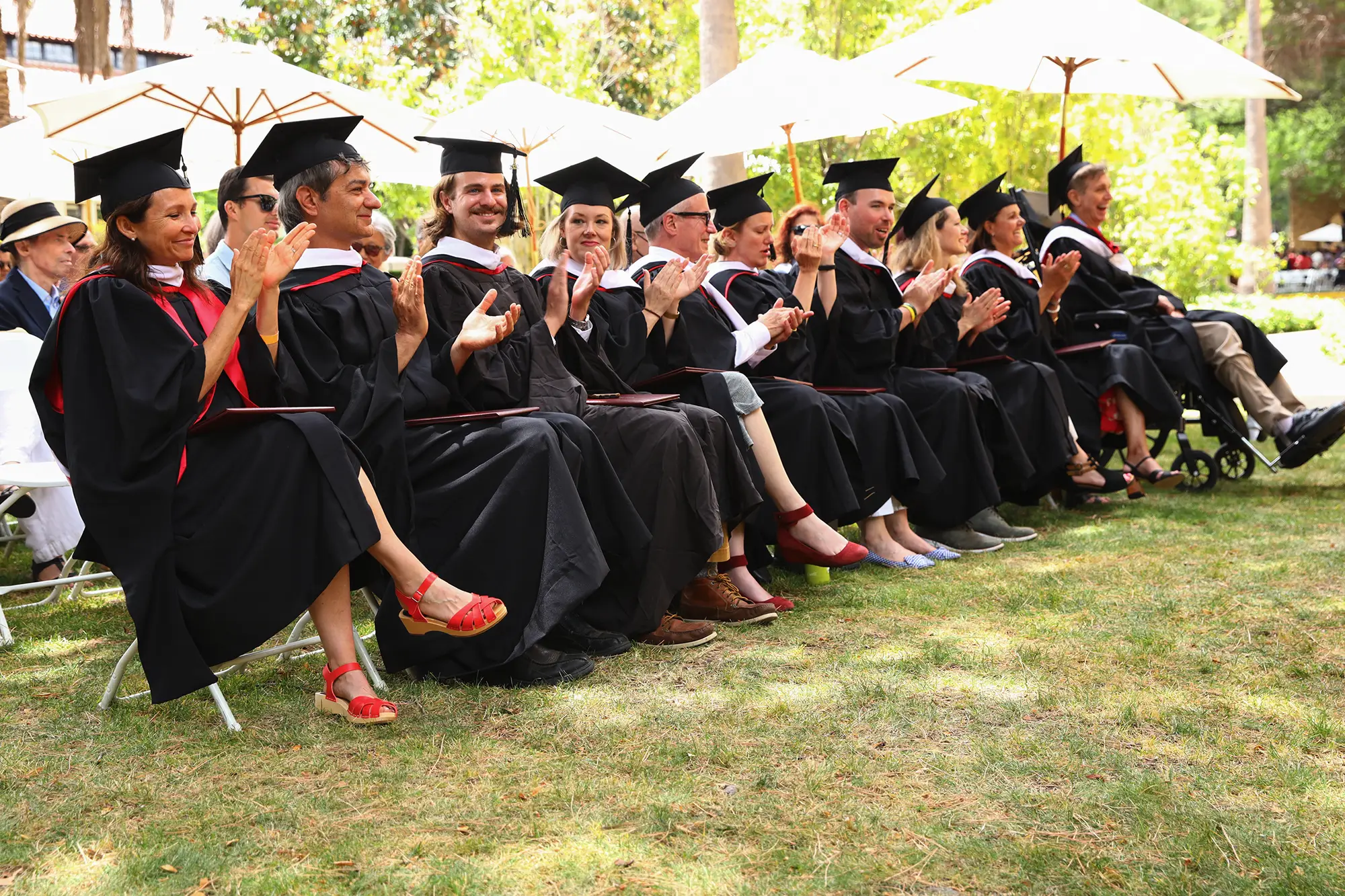
Public Programs

Continuing Studies is pleased to offer a variety of free public programs and special events every year, including lectures, readings, and webinars covering a broad range of subject areas, from current affairs to the creative arts.

Learn more about upcoming events

Master of Liberal Arts
Stanford Master of Liberal Arts
Start your next chapter with a part-time, evening graduate degree in the liberal arts.

Stanford’s Master of Liberal Arts Program (MLA) offers an extraordinary opportunity to pursue an interdisciplinary course of study in the liberal arts and earn your master’s degree at one of the world’s great centers of learning. Designed with busy adults in mind, this part-time graduate degree program holds classes in the evenings and offers a flexible academic schedule.

S

tanford’s Master of Liberal Arts Program (MLA) offers an extraordinary opportunity to pursue an interdisciplinary course of study in the liberal arts and earn your master’s degree at one of the world’s great centers of learning. Designed with busy adults in mind, this part-time graduate degree program holds classes in the evenings and offers a flexible academic schedule.

In the MLA program, students form a close-knit cohort that takes courses taught by Stanford faculty. Areas of study include history of science, philosophy, literature, environmental studies, political science, history, and more. Students will hone their ability to write persuasively and creatively, develop compelling arguments, conduct original research, and integrate thinking from multiple disciplines. For many students, these are ends in themselves. For others, these skills serve them well in their professional lives.

MLA applications are accepted from September through January, with classes beginning in September of the following academic year. For more information on the program and admissions details, please visit: mla.stanford.edu.

Taking Stanford Continuing Studies courses can be excellent preparation for applying to the MLA program. Each quarter, the MLA program recommends courses that are similar in subject and format to seminars you would find in MLA study.

Stanford flag with leaves in front
© Robert Siegel
Whether you prefer the flexibility of online classes or the vibrant atmosphere of in-person sessions, we look forward to seeing you this Winter Quarter!

Registration opens December 1, and the quarter begins the week of January 12.