
Stanford Continuing Studies Spring Courses 2026

Stanford Continuing Studies Logo
Spring 2026
Welcome Letter
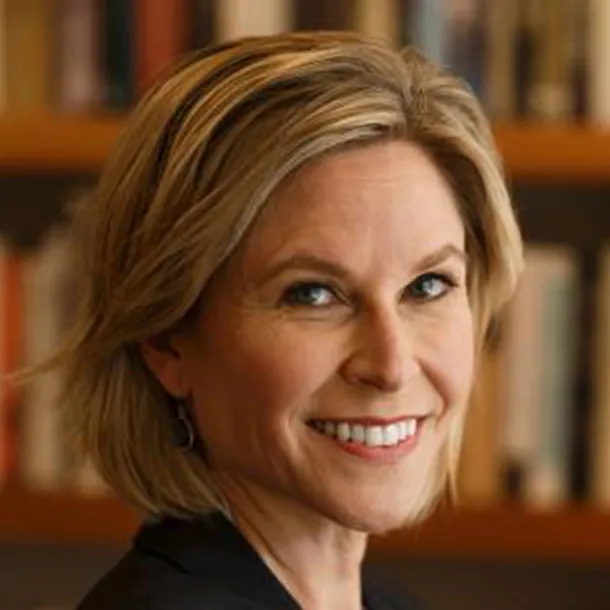
Jennifer Deitz headshot

Welcome Letter

Dear Friends,
W

ith spring upon us, it feels like the right moment to share some of the new ideas we’re exploring at Continuing Studies, including a variety of new courses that reflect the inventive spirit of Stanford and Silicon Valley.

Business and Technology
Last fall, we were excited to welcome Nita Singh Kaushal, Stanford Engineering alumna and founder and principal of NSK Leadership LLC, as our full-time business and technology curriculum director. Since joining Continuing Studies, Nita has sharpened our vision and broadened our ties to Stanford business and technology scholars as well as industry leaders from Google, Meta, and more.

This past winter, she recruited Annamaria Lusardi, Stanford GSB professor of finance and senior fellow at SIEPR, to teach our first-ever business hybrid course, “Mastering Financial Decision-Making.” Last fall, Nita brought in Rajen Sheth, CEO and co-founder of Kyron Learning and formerly vice president of product management for Google Cloud AI and Industry Solutions, whose hybrid course “Introduction to AI: What It Is, How It Works, and Why It Matters” drew an exceptional response. If you missed it, you’ll have another chance to enroll this spring. Or, you might consider Agentic AI for Product Leaders: From Strategy to Execution with Hamsa Buvaraghan, senior vice president and head of product for Pryon.

Liberal Arts…and Athletics
Across the liberal arts, we are developing new courses that speak to both the present moment and our history. Building on our partnership with Stanford Athletics, we’ve also expanded our sports coverage, thanks to the great efforts of our assistant dean, Nate Boswell. This spring, Nate recruited Stanford history and American studies professor Caroline Winterer to teach her first full-length Continuing Studies course in over a decade: The Declaration of Independence at 250: Big Ideas That Made a Nation. Among the many other new courses he helped bring to life this quarter are:

Art and Art History
We are also delighted to have not one, but two new hybrid art history offerings this quarter from Stanford professors Emanuele Lugli and Alexander Nemerov, both of whom have gained loyal followings among our Continuing Studies students for the insight and originality with which they approach their topics. Lugli will be teaching Light, Marble, and Miracle: Italian Art from Giotto to Canova, while Nemerov will teach The Person: A Meditation on Art.

Creative Writing
In creative writing, Malena Watrous, our writing certificate lead and creative writing coordinator, has introduced a new emphasis on guided writing and journaling, creating supportive spaces for writers to show up, reflect, and keep going. Malena created and will lead her own course this spring, Journaling Club: Writing as Reflection and Practice. Other options include:

Finally, in the spirit of spring, we close with two new nature-inflected offerings:

We look forward to seeing you in class!

Warmly,

Jennifer Deitz signature

Jennifer Deitz
Director & Associate Dean
Table of Contents

Table of Contents

Upward view of classical stone columns and architectural detailing against a blue sky, symbolizing the foundations of liberal arts and sciences education.
Liberal Arts & Sciences

Immerse yourself in the liberal arts to awaken your creativity, enhance your critical thinking abilities, and gain a deeper understanding of our complex world.
Impressionistic painting of a sunlit meadow filled with wildflowers in greens, yellows, and blues, representing creativity and artistic expression.
Art Studio

Reignite your capacity for creativity in an art studio course.
Close-up of a white lotus flower floating on calm water with a soft reflection, evoking mindfulness, balance, and personal wellness.
Wellness & Health

Prioritize your health and wellness with courses designed to help you build healthy habits and support your mental and emotional well-being.
Abstract composition of scattered letters and typography in grayscale, suggesting language, storytelling, and creative writing concepts.
Creative Writing

Whether you’re just beginning to write or putting the finishing touches on your first novel, our writing courses offer expert instruction from accomplished authors, individual attention, and supportive feedback.
Two speech bubble icons with quotation marks hanging against a bright orange background, symbolizing dialogue, communication, and exchange of ideas.
Communication

Hone your communication skills and learn how to convey a clear, compelling, and consistent message.
Network diagram of connected person icons linked by lines on a neutral background, representing professional relationships and business networks.
Business

Indulge your taste buds in a culinary journey through our Food & Drink courses.
Abstract digital visualization of interconnected nodes and lines forming a data network, illustrating technology, analytics, and data science concepts.
Technology

Embark on a journey through artificial intelligence, master a new coding language, or dive into the world of data science.
Campus building in background with bushes in the foreground
Writing Certificates

Continuing Studies is pleased to offer a variety of free public programs and special events every year.
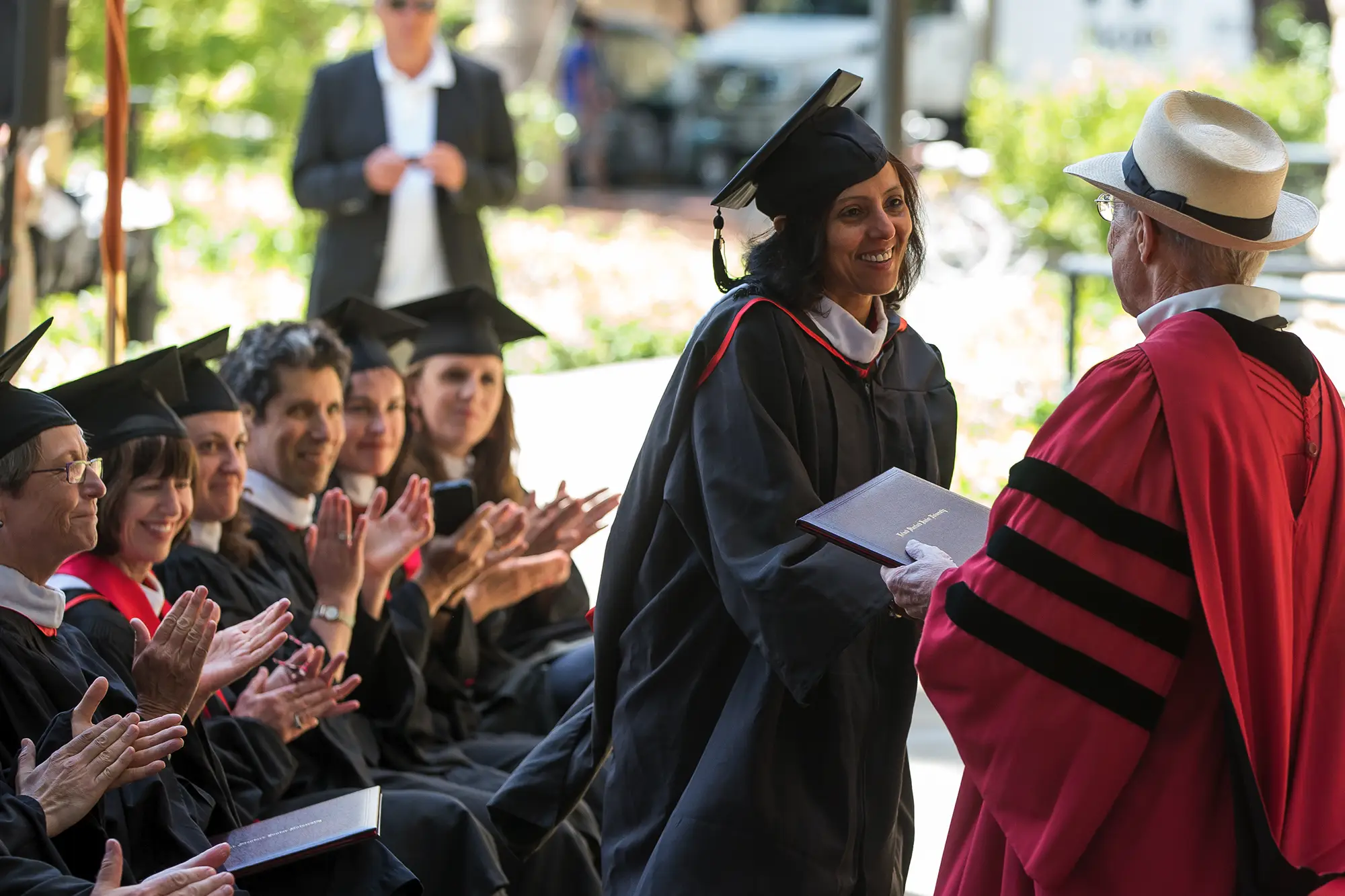
Stanford MLA Graduate shaking hands
Master of Liberal Arts

Start your next chapter with a part-time, evening graduate degree in the liberal arts.
Featured Courses

Featured Courses

Liberal Arts & Sciences

Liberal Arts & Sciences

Immerse yourself in the liberal arts to awaken your creativity, enhance your critical thinking abilities, and gain a deeper understanding of our complex world. From fine arts to film, language to literature, philosophy to history, explore a rich array of courses in the liberal arts and sciences.

Anthropology


Timothy King
Anthropologist and Epigrapher

Discover how humans have captured thought and meaning across millennia—from the first cave paintings to alphabets, calligraphy, printing, and beyond. This course traces the global evolution of writing systems and the technologies that shaped culture, communication, and knowledge. Explore everything from ancient scripts to birdsong and cephalopod signals to understand our universal drive to share meaning.

Archaeology


Patrick Hunt
Former Director, Stanford Alpine Archaeology Project; Research Associate, Archeoethnobotany, Institute of EthnoMedicine

Explore the history and archaeology of Mesoamerica and the Andes, two centers of innovation that shaped some of the world’s most enduring civilizations. Journey from the Olmec through the Teotihuacán, Zapotec, Maya, Mexica-Aztec, Wari, and Inca worlds, tracing their major sites, achievements, and cultural influence. The course also examines the impact of the Spanish Conquest and the Indigenous legacies that continue to shape the Americas today.

Gary Devore
Archaeologist

Uncover the daily life of Pompeii, the Roman city frozen in time by the eruption of 79 CE and rediscovered centuries later. Using archaeological evidence, works of art, and digital reconstructions, this course reveals how its residents lived and what their tragic end preserved. It also offers practical insights for anyone planning a visit to the site.

Art History


Emanuele Lugli
Associate Professor and Director of Public Humanities, Art & Art History, Stanford

Travel across centuries of Italian art, from Giotto’s groundbreaking medieval innovations and the splendor of the Renaissance to the drama of the Baroque. Along the way, encounter both iconic masters and overlooked talents, including pioneering women artists whose work is only now gaining recognition. Discover Italy’s artistic heritage and the cultural forces that shaped it.

Alexander Nemerov
Carl and Marilynn Thoma Provostial Professor in the Arts and Humanities, Stanford

What if looking at art could help us understand ourselves more deeply? Guided by Professor Alexander Nemerov, this course examines masterpieces from the Renaissance to modernism to explore how beauty, dignity, and even suffering shape our sense of personhood. Students will discover how the act of viewing art becomes a profound encounter with the self.

Classics


Patrick Hunt
Former Director, Stanford Alpine Archaeology Project; Research Associate, Archeoethnobotany, Institute of EthnoMedicine

Why do the Bible’s most dramatic stories of jealousy, betrayal, and redemption still captivate us? By placing these narratives in their historical and cultural context, this course reveals how they illuminate enduring truths about human nature. Through characters from Adam and Eve to David and Bathsheba, we will explore why these ancient tales remain so powerful.

Cultural Studies


Chloe Summers Edmondson
Lecturer, Department of French and Italian, Stanford
Stroll the boulevards of Paris, past glittering salons and bustling cafés, and you can sense why it has long been a laboratory of ideas, art, and social change. This course traces the city’s cultural, artistic, and commercial transformations from the 18th to the 20th centuries, a period when Paris emerged as a leading center of modernity.

Current Events


Alice Siu
Associate Director of the Deliberative Democracy Lab and Senior Research Scholar at the Center on Democracy, Development and the Rule of Law at the Freeman Spogli Institute for International Studies, Stanford

AI is reshaping how societies engage and make decisions, raising urgent questions about its role in democratic life. This course examines how platforms like Meta, OpenAI, and Anthropic use AI to support civic engagement, and what challenges arise when technology meets governance. Through real-world case studies and discussion, students will explore how democratic principles can guide AI and how it might foster more inclusive and participatory decision-making.

Dance Studies


Anton Pankevitch
Lecturer, Department of Theater & Performance Studies, Stanford

Experience ballet as a joyful blend of movement, music, and expression in this welcoming introduction to the art form. Learn foundational techniques while building strength, coordination, and confidence. Perfect for anyone looking to improve fitness, explore dance, or try something new.

On Campus

Amanda Marquez
Lecturer, Dance Technique, San Jose State

Michael Gonzalez
Dancer

Salsa has electrified dance floors, from Havana to New York, with its irresistible rhythm and energy. In this dynamic class, you’ll learn the footwork, partner connection, and playful improvisation that bring salsa’s fire and soul to life. Come ready to sweat, laugh, and feel the beat—salsa isn’t just learned, it’s lived!

Education


Louis Newman
Former Dean of Academic Advising and Associate Vice Provost for Undergraduate Education, Stanford

College is full of possibility—but helping your student navigate it can feel overwhelming. Led by the former dean of academic advising at Stanford, this course cuts through the noise to help parents evaluate college choices, support student well-being, and focus on what truly matters for academic and personal success.

Film Studies


Jonathan Crow
Artist and Filmmaker

Few directors in history left a body of work as varied, complex, and rich as Akira Kurosawa. From the existential drama Ikiru to the epic Seven Samurai to the Shakespearean adaptation Throne of Blood and the noir thriller High and Low, Kurosawa produced masterpiece after masterpiece. This course examines his most influential period and gives students a deeper understanding of Kurosawa, Japanese cinema, and cinematic language.

Elliot Lavine
Film Historian and Filmmaker

Alfred Hitchcock remains the single most influential filmmaker of the 20th century. Just how influential will be the focus of this course that combines a potent mix of Hitchcock’s classics (Psycho, Rear Window, Vertigo, Strangers on a Train, North by Northwest) and films inspired by the “Cinematic Master of Suspense.” This course offers an unusual opportunity to establish fresh perspectives on cinema history.

Mick LaSalle
Film Critic Emeritus, San Francisco Chronicle

From Carole Lombard’s luminous blend of wit and vulnerability to Diane Keaton’s iconic reinvention of modern womanhood on screen, this course examines two careers that reshaped film comedy and drama. Through landmark films, we’ll explore how Lombard’s legacy paved the way for Keaton’s enduring and influential body of work.

History


Jonathan Andrew Lear
Independent Scholar

In just one generation after World War II, Japan transformed from a nation in ruins into a global economic powerhouse. This course charts that remarkable rise—from the atomic bombings and sweeping US occupation reforms to the explosive growth that made Japan a world leader in technology and consumer culture.

Peter Mann
Lecturer, Master of Liberal Arts Program, Stanford

Step into the vibrant tapestry of European thought and cultural upheaval with our course on intellectuals across five influential cities—Paris, St. Petersburg, Vienna, Madrid, and Berlin—during a century of profound change. Dive into the pivotal role of these minds as catalysts for social evolution, challenging traditions, forging new ideals, and weaving the fabric of imagined pasts and utopian futures.

Caroline Winterer
William Robertson Coe Professor of History and American Studies, and, by courtesy, of Classics and of Education; Chair, Department of History, Stanford

As the 250th anniversary of the Declaration of Independence approaches, this course revisits the document that launched a nation and reshaped global politics. Explore the crises that led to July 4, the Enlightenment ideas behind “life, liberty, and the pursuit of happiness,” and the many ways generations have interpreted its promises. By placing the Declaration in its political, intellectual, and global contexts, the course reveals why it continues to inspire and challenge democracy today.

Languages


Heather Howard
Advanced Lecturer in French, Stanford
Designed for students with little to no knowledge of French, this course focuses on acquiring basic communication skills using a creative, all-in-French, conversational approach in a fun and relaxed class atmosphere.

Giovanni Tempesta
Advanced Lecturer in Italian, Stanford
This second course in the “Beginning Italian” sequence will help you expand and refine your language skills in speaking, reading, and listening. Through the acquisition of essential vocabulary and grammar useful in everyday life, you will be able to perform such daily tasks as ordering a meal, making travel plans, and shopping in an open-air market.

Giovanni Tempesta
Advanced Lecturer in Italian, Stanford

This sixth course in the “Beginning Italian” sequence will help you build skills and confidence through a “building block” approach to essential vocabulary and grammar, enhanced by Italian videos, newspapers, and magazines. Gain fluency for real-world conversation, shopping, dining out, and discussing work, travel, and opinions.

Maria Cristina Urruela
Former Lecturer in Spanish, Stanford
It’s time to speak Spanish with confidence! This immersive course is your gateway to oral proficiency and comprehension, offering a vibrant exploration of the Spanish-speaking world and its rich cultures.

Maria Cristina Urruela
Former Lecturer in Spanish, Stanford
This course welcomes students who can meet and greet others, express likes and dislikes, and talk about daily activities in present-tense Spanish. This course emphasizes interpersonal communication through class activities such as role-plays, conversational exchanges, and short presentations where students share their passions and interests.

Literature


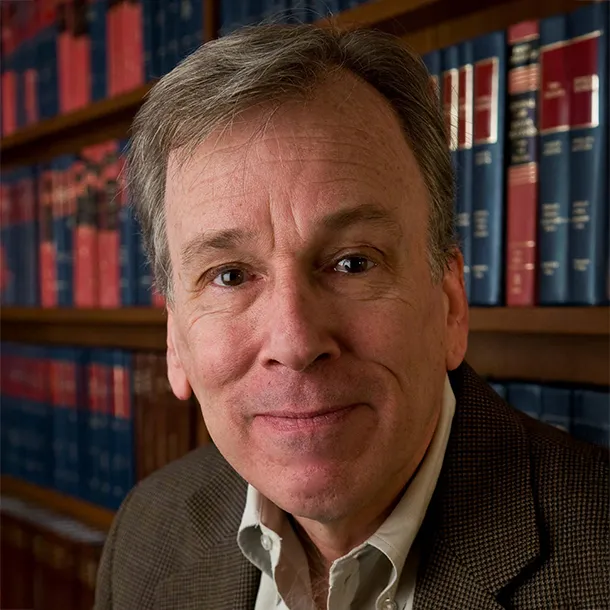
William Simon
William W. and Gertrude H. Saunders Professor of Law, Emeritus, Stanford; Arthur Levitt Professor of Law, Emeritus, Columbia

Discover how Charles Dickens used fiction to expose the failures of Victorian law and society in this course taught by a Stanford law professor. Through Bleak House and selections from his other major works, we’ll explore Dickens as both a cultural critic and legal thinker, examining how his urgent vision of justice, reform, and institutional failure continues to resonate today.

Kristen Edwards
Independent Scholar

Aleksandr Solzhenitsyn transformed nearly a decade of imprisonment under Stalin into some of the most powerful indictments of tyranny in modern literature. In this course, we’ll explore The Gulag Archipelago and In the First Circle—works that exposed the machinery of Soviet repression and reshaped global understanding of communism.

Medicine


Lucia Aronica
Lecturer, Stanford Genetics and Genomics Certificate Program

This course introduces the science of epigenetics, which explores how lifestyle choices can influence gene activity without altering DNA. Learn how food and nutrients can impact gene expression and create your own personalized nutrition plan to improve gene expression and optimize health.

Huijun Ring
Adjunct Professor, Department of Medicine, Stanford Medicine

From acupuncture and tai chi to herbal remedies and food therapy, Chinese medicine offers time-tested ways to support health and vitality. This course introduces its core principles—yin and yang, qi, and the five elements—while exploring how these practices and their evolving science complement Western approaches to wellness and longevity.

Bruce Fogel
Adjunct Professor, Division of Clinical Anatomy, Department of Surgery, Stanford Medicine

Beth Habelow
Lecturer, Division of Clinical Anatomy, Stanford Medicine

Laura Prolo
Associate Professor, Department of Neurosurgery, Stanford Medicine

Explore cadaver specimens and digital technologies used by Stanford medical students and surgeons in the treatment and care of patients. Learn how to identify anatomical structures of the brain as well as common clinical traumatic conditions affecting the brain, such as hematomas and hydrocephalus.

Clyde Wilson
Research Associate, Biochemistry, UC San Francisco

Good nutrition seems straightforward, but modern food choices, additives, and diets complicate the picture. This course explores the science behind popular diets, deprivation practices like fasting, and medications like Ozempic, weighing their benefits and risks. By examining these trends, we’ll uncover what minimal nutrition our bodies need to stay healthy in a complex food landscape.

Music Studies


David Gans
Producer and Host, Grateful Dead Hour

The Grateful Dead occupy a singular place in American culture, bridging the 1960s counterculture with enduring ideas about community, creativity, and freedom. This course explores the band’s creative process and evolving ethos, joined by guest authors who place the group within broader movements in art, business, and technology. Trace how the Dead’s improvisational model sparked innovation far beyond music.

Nurit Jugend
Composer and Filmmaker

This course surveys six composers who transformed classical music through bold innovations in style, genre, and instrumental writing: Beethoven, Schumann, Mendelssohn, Bartók, Debussy, and Tchaikovsky. Together, their works reveal the sweeping evolution of musical expression across two centuries.

Joel Phillip Friedman
Composer and Music Scholar

The familiar tale of Abbey Road followed by the breakup-era Let It Be hides a far more complex reality. This course traces the intertwined projects, overlapping sessions, and creative frenzy that shaped two very different Beatles albums, drawing on new scholarship, Peter Jackson’s Get Back, and recent anniversary box sets. The result is a musical detective story that still surprises more than half a century later.

Music Studio


Lisa Sanchez
Instructor, Gryphon Stringed Instruments

Have you always wanted to play the guitar but were afraid it would be too hard to learn? This course will help make guitar playing easy and fun. At a comfortable pace, students will learn basic chords and right-hand accompaniment patterns and apply these techniques to easy folk and popular songs—including songs written by Leonard Cohen, Joni Mitchell, and more.

Philosophy


Richie Kim
Lecturer, Department of Philosophy, Stanford

Who we are is deeply tied to what we believe. This course investigates how our convictions shape character, guide actions, and frame our sense of moral responsibility. Through readings in classic and contemporary Western philosophy, we will study how beliefs take root, how they persist, and how we defend or rationalize them.

Psychology


Marwa Azab
Lecturer in Psychology, CSU Long Beach

This course examines the rise in anxiety among Americans since the pandemic, teaching students to define anxiety, distinguish it from other emotions, and manage it to improve performance. Explore clinical diagnoses, risk factors, cognitive habits, neuroscientific insights, and evidence-based treatments, highlighting the roles of community, connection, and compassion in achieving greater calm and contentedness.

Science


Kirsten Verster
COLLEGE Lecturer, Civic, Liberal, and Global Education, Stanford

From ants that engineer elaborate colonies to butterflies that color our landscapes, insects are among Earth’s most diverse and influential creatures—vital to ecosystems yet capable of reshaping human life in unexpected ways. This course explores the biology and behavior that make insects extraordinary: their chemical defenses, intricate societies, and astonishing adaptability.

Sports


Matt Doyle
Associate General Manager, Football Administration, Player Development & Alumni Relations, Stanford

Few programs blend academic rigor and athletic excellence like Stanford football. Led by Matt Doyle in his 26th season with the team, this course offers an insider’s look at 130 years of Cardinal tradition—highlighted by a two-session focus on the Andrew Luck era with Luck himself. Participants will revisit iconic games, examine Heisman campaigns, and explore how Stanford is navigating a rapidly changing college sports landscape.

Chris Pepe
Sports Industry Executive

Every four years, the FIFA World Cup unites billions of fans while revealing the political and financial forces that shape global soccer. With the 2026 tournament returning to North America—and final rounds unfolding at nearby Levi’s Stadium—this course explores the World Cup as both cultural spectacle and billion-dollar enterprise. Through history, case studies, and guest speakers, we’ll examine how the event drives globalization, diplomacy, and commerce far beyond the pitch.

Art Studio

Art Studio

Reignite your capacity for creativity in an art studio course. From drawing and photography to creating your own podcast or video, our courses will help you develop your skills and find inspiration that will truly elevate your creative expression.

Audio, Video & Film


Ryan Campos
Audio Specialist and Sound Artist

Learn how to create your own successful podcast! This course will cover topics such as podcast structure, content formats, equipment options for different budgets, hosting platforms, and maximizing exposure and profitability. Gain hands-on experience in recording and editing techniques and come away from the course with a trailer, a five-minute pilot episode, and an outline for a complete podcast series.

Drawing, Painting & Other Media


Katie Hawkinson
Artist

How do you decide what to paint? This course focuses on refining artistic voice and exploring diverse painting techniques. Learn to choose subjects, develop a cohesive series, and create strong compositions. Techniques like experimental printmaking, collage, and automatic drawing will guide pathways into abstraction. Emphasizing contrasts such as simplicity vs. complexity and organic vs. geometric, the course offers fresh approaches to painting.

Lauren Toomer
Lecturer, Department of Art & Art History and Division of Clinical Anatomy, Stanford

Based on the Art and Anatomy courses for Stanford medical students, this course is a unique opportunity to explore the human body with the eye of an artist. Through hands-on drawing and step-by-step guidance, you’ll develop both your artistic skills and anatomical knowledge, leaving you with the ability to draw the human figure with creativity and accuracy.

John Muir Laws
Naturalist, Artist, and Educator

Learn to see—and draw—birds with the insight of a scientist and the creativity of an artist. Guided by renowned bird illustrator John Muir Laws, you’ll explore anatomy, gesture, and technique in pencil and watercolor to bring every bird to life.

Erin Hunter
Fine Artist and Science Illustrator

Explore the art and science of botanical drawing with guidance from a professional science illustrator. This course combines the study of botanical anatomy with hands-on techniques, including sketching, watercolor, and colored pencil. Through flower dissection and observation, you’ll create a detailed botanical study while learning to capture the beauty of both cultivated and wild blooms.

John Robert Peck
Instructor, Triton Museum of Art

Whether you’re a beginner or an experienced artist, this course will equip you with the techniques to create realistic portraits and serve as a valuable foundation for future painting endeavors. Using a small mirror, we will distinguish between our imagination and what our eyes actually see. This approach will lead to an entirely objective way of seeing and drawing the realistic portrait.

Michael Azgour
Artist

Spend more time creating and less time analyzing in this five-week intensive designed for students who want to incorporate a creative art practice into their daily lives. Students will explore mixed media in unconventional ways, focusing on the creative process rather than mastering a particular medium. Daily prompts will guide students through various artistic exercises using materials like graphite, ink, acrylic paint, photography, and collage.

Andrew Catanese
Artist & Lecturer, Department of Art & Art History, Stanford

Turn your sketchbook into a daily creative practice. Inspired by artists like Kahlo and O’Keeffe, this course shows you how to use drawing, watercolor, collage, and words to spark ideas, experiment freely, and build a creative habit that supports clarity and reflection.

Joshua Moreno
Lecturer, Department of Art & Art History, Stanford

Embark on a creative journey through the timeless art of watercolor painting. This hands-on course introduces fundamental techniques, tools, and principles of watercolor painting. Achieve different effects and textures by experimenting with various watercolor techniques, including wet-on-wet, dry brush, and glazing. Learn to mix and blend pigments to create vibrant and harmonious compositions.

Photography


Yunfei Ren
Visual Artist

Explore photography through an artist’s lens. Exercises in color, light, composition, and storytelling will help you transform everyday captures into intentional works of art that convey emotion and meaning. With an emphasis on concept, visual language, and the creative process, you’ll learn to see—and create—like an artist.

Yoni Mayeri
Photographer, Artist, and Educator

Learn to turn your everyday iPhone photos into stunning pictures. Explore the built-in Photos app for editing and enhancing images, optimize the features of the native camera, and discover third-party editing applications and accessories to enhance your images.

Joel Simon
Documentary and Fine Art Photographer

Join us for a hands-on field photography workshop at Jasper Ridge Biological Preserve. Known by researchers from all over the world for its geologic, topographic, and biotic diversity, this setting is an ideal location to photographically explore a wide range of natural features, from open landscapes to redwood groves, aquatic shorelines, the historic step dam, and macro views of local fauna.

Joel Simon
Documentary and Fine Art Photographer

John Lambert
Photographer

Learn to capture a true sense of place through your photography—whether you’re exploring a distant destination or your own neighborhood. This course covers expressive landscapes, environmental portraits, and architectural scenes while teaching you how focal length, light, and perspective shape your story. You’ll leave with a stronger visual voice and a toolkit you can take anywhere.

Wellness & Health

Wellness & Health

Prioritize your health and wellness with courses designed to help you build healthy habits and support your mental and emotional well-being. Explore courses taught by psychologists, physicians, health advisors, and other experts in their field.

Emotional & Mental Health


Glenn Brassington
Professor of Psychology, Sonoma State

Discover the mental training techniques used by top athletes, performers, and leaders to enhance focus, confidence, and resilience. In this practical course, you’ll build skills to sharpen concentration, elevate mood, and navigate challenges with calm and clarity. You’ll also create a personalized mental training plan to support lasting success in work, sport, and life.

Life Design


Mark Nicolson
Founder, Nicolson Group

This course offers a unique opportunity to pause, reflect, and realign with what brings joy, purpose, and meaning to your life. Blending psychology, movement, and ancient wisdom, students will engage in guided exercises and deep conversations to navigate life transitions, clarify personal values, and uncover behaviors that support or hinder fulfillment. Ideal for those seeking greater clarity, impact, and authenticity in the next phase of life.

Susan Ryan
Vice President of Marketing, Frore Systems

Most of us carry ideas that could expand our work or enrich our lives—creative projects or long-delayed experiments that linger on the “someday” list. This course helps you move them forward by dedicating just 10 percent of your time to focused, achievable progress. Using a practical seven-step framework, you’ll set SMART goals, experiment, gather feedback, and build momentum toward the project you’ve always imagined.

Mindfulness


Maryam Kia-Keating
Licensed Clinical Psychologist
Discover how mindfulness, meditation, and yoga can transform the brain, reduce stress, and enhance clarity and emotional balance. This course blends scientific insight with practical exercises to help you integrate mindful habits into everyday routines. You’ll leave with a personalized practice plan designed to support a calmer, more purposeful way of living.

Nutrition


Clyde Wilson
Research Associate, Biochemistry, UC San Francisco

Good nutrition seems straightforward, but modern food choices, additives, and diets complicate the picture. This course explores the science behind popular diets, deprivation practices like fasting, and medications like Ozempic, weighing their benefits and risks. By examining these trends, we’ll uncover what minimal nutrition our bodies need to stay healthy in a complex food landscape.

Lucia Aronica
Lecturer, Stanford Genetics and Genomics Certificate Program

This course introduces the science of epigenetics, which explores how lifestyle choices can influence gene activity without altering DNA. Learn how food and nutrients can impact gene expression and create your own personalized nutrition plan to improve gene expression and optimize health.

Creative Writing

Creative Writing

Whether you’re just beginning to write or putting the finishing touches on your first novel, our writing courses offer expert instruction from accomplished authors, individual attention, and supportive feedback. Choose from courses in creative nonfiction, fiction, poetry, memoir, short story writing, and more.

Genre


Deborah Johnson
Author

This course demystifies how to write suspense fiction that readers can’t put down. You’ll develop a compelling premise, build characters that heighten tension, and craft a plot that keeps pages turning. Learn when to plant clues, how to misdirect with finesse, and how to weave in subplots—then explore pacing and the art of escalating tension as your story races toward its climax.

Nova Ren Suma
Author

Ready to create your own fantasy, horror, or dystopian world? This course guides you through world-building, atmosphere, and the mechanics of belief as you draft and workshop the opening of your novel. With inspiration from leading speculative authors, you’ll push your imagination further than you thought possible.

Memoir & Creative Nonfiction


Samina Ali
Author

Take your memoir in progress to the next level. Through craft lessons, close readings of contemporary memoirists, and a workshop of up to 5,000 words, you’ll refine your voice, sharpen your structure, and navigate the complexities of writing from lived experience. Gain practical strategies and renewed clarity to shape your draft into a compelling manuscript.

Monica Wesolowska
Author and Editor

Anne Lamott’s advice to take it “bird by bird” applies perfectly to memoir: write it essay by essay. This course shows you how to build a successful memoir in essays by examining how authors create stand-alone pieces that still form a cohesive whole. You’ll workshop an essay and develop an outline for your larger project, giving you momentum and a clear plan to continue.

Amanda Montei
Author

Crafting a compelling memoir requires deliberate planning to shape how events unfold and connect on the page. In this workshop, we will explore how to effectively structure a memoir by managing the passage of time, drawing inspiration from such authors as Roxane Gay, Mary Karr, and Maggie Nelson.

John W. Evans
Phyllis Draper Lecturer of Creative Nonfiction, Department of English, Stanford

Join a supportive writing community dedicated to memoir and personal essays. With weekly meetings, consistent peer feedback, and one detailed instructor critique, you’ll deepen your craft, build momentum, and make writing a more central part of your life—whether you’re shaping a book-length project or exploring stand-alone pieces.

Alison Singh Gee
Visiting Lecturer, Writing & Rhetoric, Scripps College

Explore the dynamic possibilities of the personal essay: true stories told using the techniques of fiction. Study, discuss, and write essays that draw on personal history, trauma, humor, transformation, travel, or food. Acclaimed essayists Tim Cahill and Marcia DeSanctis will offer insights into publishing and process.

Julia Scheeres
Author

A memoir’s opening pages must ignite the story—establishing drama, tension, and characters readers can’t walk away from. In this course, you’ll study first chapters by master memoirists and learn techniques for theme, momentum, mystery, and voice, gaining the tools and confidence to launch your memoir with power.

Narrative Craft


Jackie Thomas-Kennedy
Author

In fiction, objects do more than decorate a scene—they deepen character, enrich setting, and carry emotional weight. This course explores how master storytellers use the material world to create meaning. Leave with a portfolio of new work that brings your characters’ worlds to life.

Nina Schuyler
Author

All writers share the same raw material—words—but voice emerges from how those words are chosen and arranged. In this course, you’ll study writers like James Baldwin, Amy Hempel, Grace Paley, and Toni Morrison to see how syntax, diction, imagery, rhythm, and sound shape their unmistakable styles. You’ll then apply these techniques to your own work, mastering sentence craft that elevates your writing beyond story alone.

Evgeniya Dame
Author

Elevate your fiction writing craft, building on your foundational knowledge of character, plot, point of view, and structure. Study chapters from acclaimed craft books and analyze published fiction by esteemed authors to gain fresh insights and develop more advanced techniques.

Novel


Jarrod Shusterman
Author

Sofia Lapuente
Author

Every great novelist faces the same challenge: how to open a door that readers can’t resist walking through. In this workshop, you’ll learn how to establish voice, world, character, and momentum from the very first page, resulting in that kind of irresistible opening. Through close analysis of first chapters from best-selling novels across genres, we’ll examine how great writers draw us in and keep us turning pages.

Angela Pneuman
Author

A novel unfolds over a broader stretch of time, often requiring the writer to manage layered plots, a large cast of characters, and significant world-building. In this course, we will look at published novel openings to discover what powers the narrative engines of their first chapters. We will discuss how tension introduced early in the story begins to suggest the kinds of shape, structure, and plot that can carry a writer through a full draft.

Ammi Keller
Novel Writing Certificate Instructor, Stanford Continuing Studies

Take your novel to the finish line with a committed mentor and a dedicated community of peers. We’ll write together, workshop chapters in progress, and support one another through the drafting process. This course provides fiction writers with structure, accountability, and practical feedback to keep their manuscripts moving forward.

Poetry


Caroline Goodwin
Author

Poems often begin with a spark—an image, a memory, a list. In this welcoming course for all levels, you’ll explore how memory and imagination intertwine by studying list poems and works by Elizabeth Bishop, Dylan Thomas, and Gerard Manley Hopkins. With weekly prompts and supportive feedback, you’ll experiment with form and create a new poem draft each week.

Jalen Eutsey
Poet

Discover the art of writing poetry that resonates beyond immediate understanding, capturing emotions and ideas that unfold with each reading. Explore the rhythm and sound of language—rhyme, assonance, and alliteration—while mastering essential elements like imagery and tone. Study poets like Elizabeth Bishop and Terrance Hayes and develop a collection of your own work that embodies the depth and nuance of true poetic craft.

Dilruba Ahmed
Faculty, MFA Program for Writers, Warren Wilson College

Explore a rich range of poetic forms to better understand the forces that have shaped contemporary American poetry, and to experiment with structure and sound in our own writing. We’ll study “verse forms,” poems rooted in thematic traditions, and pastorals, alongside “shaping forms” like villanelles, ghazals, and sonnets, each defined by particular craft parameters.

Prompt-Driven Writing


Malena Watrous
Writing Certificate Lead and Creative Writing Coordinator, Stanford Continuing Studies

Journaling is a powerful practice—a space to chronicle daily life, reflect on challenges, and capture ideas without perfectionism. In the Journaling Club, you’ll receive daily prompts designed to spark several pages of freewriting in about 15 minutes, plus optional accountability through sharing. We’ll also gather weekly online to journal together, with optional breakout groups for reflection.

Annmarie Kelly
Author

From poetry to prose, micro to memoir, this course is designed for writers at any stage looking to jumpstart their practice and write with joy and freedom. You’ll leave with a dozen drafted pieces and a renewed sense of what draws you to the page, learning how to make writing easier, more fun, and manageable—even on the busiest days.

Publishing


Heather Lazare
Developmental Editor and Publishing Consultant

Ready to publish your book but not sure where to start? This course demystifies the three main publishing paths—traditional, hybrid, and self-publishing—and shows you how to craft a strong query letter, find agents, and position your book for success. You’ll also learn how to reach readers, build an audience, and understand the financial considerations of each route.

Reading Like a Writer


Robert Anthony Siegel
Author and Writing Coach

One of the best ways to strengthen your fiction is by reading short stories with a writer’s eye. In this course, we’ll analyze five diverse works by masters such as Sarah Shun-lien Bynum, Zadie Smith, and Yiyun Li. Each story, unique in subject and style, reveals key lessons in scene, exposition, subtext, conflict, resolution, and narrative change. You’ll uncover how these elements work on the page and apply them in short writing exercises.

Short Story


Georgina Beaty
Author

Great short stories spark emotion through carefully chosen moments. This course teaches you how to craft tight, resonant fiction by examining how today’s leading writers use voice, structure, and tension. You’ll experiment, refine, and ultimately create a polished story that reflects your growth.

Thomas McNeely
Author

Explore not only the core craft of writing short stories, but also the artistic choices that shape compelling fiction. Learn how to transform experience into narrative by manipulating point of view, developing setting, and creating a “ticking clock” or narrative drive. Examine the power of objects and images, the impact of a character’s age, and how opposing forces, tension, and stakes build a story’s arc.

Communication

Communication

Hone your communication skills and learn how to convey a clear, compelling, and consistent message. Our courses in public speaking, interpersonal communications, and more will help you succeed in business and personal settings.

Communication Courses

Susan Neville
Facilitator, Interpersonal Dynamics and LEAD Program, Stanford Graduate School of Business

Campbell Frank
Facilitator, Interpersonal Dynamics, Stanford Graduate School of Business

Embark on a transformative journey of self-discovery and relationship building with this unique course inspired by the renowned “Interpersonal Dynamics” program at the Stanford Graduate School of Business. Through immersive T-group experiences, small-group collaborations, and engaging class exercises, you will develop a profound understanding of yourself and others.

Matt Abrahams
Lecturer, Stanford Graduate School of Business

Adam Tobin
Senior Lecturer, Film and Media Studies, Stanford

Elevate your impromptu speaking skills and conquer public speaking anxieties in this hands-on course. Drawing on scholarly research, you’ll master the art of extemporaneous communication and build confidence and clarity for various professional and life situations, from formal presentations to spontaneous interactions like job interviews and Q&A sessions.

Jeff Cabili
Founder and Principal, How2Captivate

Discover the keys to effective nonverbal communication and master the “how to say it” aspect rather than solely focusing on “what to say.” Explore the nuances of expression, encompassing gestures, body language, vocal techniques, eye contact, and the strategic use of silence. Gain insights into leveraging nonverbal communication as a powerful tool for influencing others, even in challenging situations.

James Wagstaffe
Instructor, Oral Communication Program, Stanford Summer Session

Bruce Bean
Founder and Owner, The Trafton Group Commercial Real Estate

Gain practical, hands-on experience developing essential public speaking skills. Learn how to make a strong first impression, captivate an audience, and turn a “no” into a “yes.” You’ll explore a range of speaking styles from impromptu remarks to powerful storytelling while practicing traditional formats such as informative, persuasive, and entertaining speeches.

Carmen Simon
Cognitive Neuroscientist

What makes a message unforgettable? This course reveals the neuroscience behind communication that inspires, persuades, and moves people to act. Explore how emotion, word choice, and imagery influence decision-making, and learn why business jargon often dulls your impact. Walk away ready to elevate your influence in conversations of every kind.

Laura Joyce Davis
CEO and Co-Founder, Narrative Podcasts

A powerful story can turn an ordinary message into something that sticks. In this course, you’ll explore how structure, clarity, and voice bring ideas to life while practicing interactive drills that sharpen timing, confidence, and creativity. Learn to shape stories that resonate across audiences and make your communication unforgettable.

Debra Schifrin
Lecturer, Stanford Graduate School of Business

Daniel Schifrin
Founder, StoryForward

Become proficient in thinking quickly and be empowered to handle unexpected situations with ease, inclusiveness, and humor. Boost your confidence and communication skills by cultivating curiosity, embracing spontaneity, and engaging your audience with energy and delight. By developing a stronger and more intuitive communication style, you’ll prevent missteps and forge authentic connections with your audience.

Business

Business

Our business courses will equip you with the knowledge and skills you need to succeed in building your career, launching a startup, or growing a business. Taught by industry leaders from Silicon Valley and beyond, our courses cover product management, marketing, finance, leadership, and more.

Entrepreneurship & Innovation


Bret Waters
Entrepreneur and Silicon Valley Investor

This fast-paced entrepreneurship course offers a highly collaborative experience where students work together to refine startup ideas and make them launch-ready. Discuss product/market fit and develop a minimum viable product for rapid iteration. Dive deep into the operational details of the startup process, including legal structures, financial models, and financing options such as venture capital, angel capital, and impact capital.

Eugene Shteyn
Inventor and Venture Capitalist

Innovation only succeeds when paired with the right business model. Explore how top companies across AI, health tech, fintech, and entertainment design and test models that scale—and why some fail. Through case studies, strategy labs, and hands-on exercises, you’ll build and refine your own business model for today’s rapidly evolving markets.

Mohammad Soheilypour
Co-Founder and CEO, Nexilico

Not all breakthrough ideas need venture capital. Learn how startups secure billions in federal grants and contracts each year—equity-free. Focusing on programs like SBIR and STTR, this course guides you through finding the right agency fit, shaping strong proposal aims, and navigating budgets and reviews. Gain a practical toolkit for using government funding to drive your innovation forward.

Angela Chen
Founder, Stanford Education Entrepreneurship Hub

Transform your startup idea into a tangible venture in this hands-on course designed to guide first-time aspiring entrepreneurs through every step of launching a business, from -1 to 0. Learn how to validate your idea with customer discovery and market research. Design a minimum viable product and develop go-to-market strategies. Create a sustainable business model and sharpen your pitch for investors or accelerators.

Navgeet King Zed
CEO, OMECE Venture Studios

What if the most profitable businesses were also the most purposeful? This course equips professionals and entrepreneurs to build ventures that create both financial value and meaningful social good. Explore how stakeholder capitalism, impact integration, and values-driven leadership can strengthen competitive advantage and long-term resilience. Guest speakers will share real-world insights on the pivots, trade-offs, and resilience required for impact-driven success.

Finance & Investing


Christopher Canellos
Certified Public Accountant

Navigate the complexities of personal finance with confidence in our hands-on course, designed to provide practical insights into achieving financial stability and success. Whether you’re looking to maximize returns on conservative investments, minimize taxes in real estate, fund education, plan for retirement, or efficiently transfer assets, this course covers it all with an engaging and accessible approach.

Kim Vogel
Public Board Director

Automation, AI, and real-time data are transforming how finance creates value. As technology takes over routine analysis, finance professionals are increasingly evaluated on their ability to interpret data, shape strategy, and lead teams through change. This course equips participants with the strategic mindset and leadership skills to thrive in this evolving landscape.

Amber Ma
Adjunct Professor of Accounting, University of San Francisco; Certified Public Accountant

Imagine retiring far earlier than most and turning your prime years into time for passion projects and new adventures. This course provides a practical framework for defining your ideal retirement age, calculating what you need, and accelerating income through smart career moves and entrepreneurial strategies. Learn to optimize spending, spot emerging opportunities, and build high-impact skills that create lasting financial freedom.

Leadership & Management


Mo Lei Fong
Adjunct Lecturer, Management Science and Engineering, Stanford

Anita Yuen
Owner, AY Advisory

Although AI adoption is widespread, few organizations have achieved true mastery—leaving a gap between basic tool use and transformational management. This course equips early- to mid-level managers to bridge that gap, enhancing their influence and effectiveness with AI while preserving the human elements of leadership and teamwork.

Margaret Laffan
Cloud GTM Leader, Intel

Agentic AI is rapidly reshaping the workplace, taking on everything from workflow automation to real-time insight generation. This course teaches you how to align these systems with business goals, evaluate when and where to deploy them, and lead successful adoption. You’ll leave with a practical roadmap and the confidence to put AI agents to work in your organization.

Denise Rabius
Executive Coach, Stanford Graduate School of Business

Imagine entering a room and immediately inspiring trust and connection. This hands-on course develops authentic leadership presence from the inside out, blending mindset work, somatic practices, and communication coaching. You’ll leave with a personalized practice plan and the tools to lead with clarity, credibility, and confidence.

Andreina Parisi-Amon
Founder and Principal Coach, APA Coaching and Consulting

Mastering high-performance habits gives you a crucial edge in productivity, leadership, and growth within your organization. Designed for ambitious professionals and rising managers, this course helps you develop the mindset, systems, and behaviors to advance without sacrificing well-being. You’ll leave with a personalized 90-day plan to lead confidently and drive meaningful progress.

Nita Singh Kaushal
Founder, NSK Leadership and Miss CEO

Today’s rapidly changing workplace creates opportunities for women to lead with purpose and impact. To thrive, you need the confidence to speak where decisions happen, the credibility to earn trust quickly, and a leadership presence others rely on. This course builds the skills that help you rise to those challenges and lead decisively.

Tina Choi
CEO and Founder, Travonde

Susan Greene
Executive Leadership Coach

Understanding and navigating power dynamics in business is essential for effective leadership and management. This course will help students understand their leadership style and create a power declaration and map to aid in identifying and advancing projects relevant to their goals. Key topics include building and leveraging personal power, aligning with a higher purpose for impactful leadership, and navigating relational power dynamics.

Tiffany Teng
Product and Marketing Executive

What if you could reframe any workplace conflict, communicate more effectively in hard conversations, and resolve arguments faster while strengthening relationships with colleagues? Drawing on conflict mediation, psychology, and neurobiology, you’ll learn practical tools and frameworks to manage workplace and interpersonal conflict, both one-on-one and in groups. Ideal for anyone who manages people, hopes to become a manager, or wants to improve conflict and communication skills.

Dikla Carmel-Hurwitz
Lecturer in Management, Stanford Graduate School of Business

Designed to empower women in the workplace, learn how to refine your leadership abilities in strategic planning, resilience, influence, networking, self-promotion, and risk-taking. Gain practical tools to transform challenges into solutions and strategies for securing mentorship and sponsorship through robust networking. Develop a communication style that asserts your achievements, helping you to claim and own your successes.

Tracy Wilk
Executive Coach

The first 15 years of a career are rich with opportunity and complexity. This course equips emerging and mid-career professionals to navigate pivotal decisions with clarity, confidence, and strategic foresight. Learn to build and sustain professional networks and cultivate mentorship; showcase presence and impact at any level; demonstrate leadership and position yourself for advancement; and make informed choices about career direction, transitions, and timing.

Marketing


Holly Roland
Founder and CEO, RebelGTM

AI is reshaping how companies bring products and services to market, enabling faster decisions, sharper targeting, and smarter execution. Explore how AI can supercharge your go-to-market strategy, from segmenting audiences and surfacing insights to automating workflows and boosting revenue.

Austin Evers
Senior Product Marketing Manager, Quizlet

A strong go-to-market (GTM) strategy is essential for turning great ideas into successful products. It defines how offerings are positioned, sold, and adopted in competitive markets. This course helps marketers, product leaders, and founders move from concept to execution, using practical frameworks for high-impact launches.

Product Management


Hamsa Buvaraghan
Senior Vice President and Head of Product, Pryon
Agentic AI is redefining product innovation. Learn to spot high-value opportunities, build compelling business cases, and design roadmaps for autonomous AI products. Walk away with a polished capstone plan—and the skills to lead your organization’s next AI leap.

Shakhina Pulatova
AI Product Management Leader
Building meaningful AI products starts with more than adding a model. It requires designing AI at the core. This course provides a framework for identifying high-value opportunities, defining product vision, and creating user-centered predictive and generative AI experiences. Learn how to evaluate data needs, measure success, and guide AI products from concept to market impact.

Vikash Rungta
Co-Founder & Chief Product Officer, Alloi.ai
To build the next generation of products, leaders need more than surface-level AI knowledge. This hands-on course provides a first-principles understanding of how generative and agentic AI systems reason, plan, and execute. By strengthening your technical intuition, you’ll spot opportunities others miss, ask sharper questions, and lead product teams with greater clarity and credibility.

Program Management


Richard Evans
Technical Program Manager, Google

Behind every successful technology initiative is a program manager who connects vision to execution. This course introduces the core principles of technical program management and explores advanced strategies for driving impact across teams and organizations. Learn how to initiate programs, build cross-functional teams, manage risk, and communicate effectively with executives while using tools such as status dashboards and phase-gate presentations.

Technology

Technology

Embark on a journey through artificial intelligence, master a new coding language, or dive into the world of data science. We offer courses designed for all skill levels, from novices to seasoned programmers.

Al & Machine Learning

Gaurav Khanna
AI Executive, Cisco Systems

This course examines well-known AI technologies like natural language processing, computer vision, and pattern recognition. We will break each application down into its component parts to understand how the underlying technology works and why it’s most appropriate for particular use cases. Developing this practical understanding of different AI models will enable students to strategically implement AI tools to increase productivity, reduce costs, or create new products and revenue streams.

Nithya Natesan
Group Product Manager, Google

AI agents—autonomous systems that can perceive, reason, and act—are rapidly transforming how work gets done. This course introduces the core concepts of agentic AI, from tool calling and API integration to governance and ethics. Learn to evaluate opportunities, design workflows, and experiment with no-code tools to build applications. Discover how to deploy AI agents that boost productivity and innovation.

Rajen Sheth
CEO and Co-Founder, Kyron Learning

Whether you’re curious about the basics of AI or eager to understand why it’s becoming essential across every industry, this hands-on introduction will give you the knowledge and confidence to engage with AI meaningfully. You’ll explore foundational principles and the latest breakthroughs, gaining practical experience with tools that can enhance your daily work and life. Discover how AI is transforming industries while exploring the ethical challenges it presents.

Charlie Flanagan
Head of Applied AI, Balyasny Asset Management

Dima Timofeev
Research Engineer, Balyasny Asset Management

Develop the practical skills required for creating large language model applications for text generation, translation, sentiment analysis, and more. Learn the differences between various model architectures and how to select which architecture is best suited for a particular use case, techniques for efficient training and fine-tuning of models, and how to select and interpret metrics for model performance predictions. Gain hands-on experience in Python, LangChain, OpenAI, and Hugging Face.

Ishaani Priyadarshini
Scholarly Assistant Professor, School of Electrical Engineering & Computer Science, Washington State

Machine learning has become an essential skill for professionals who want to make smarter, data-informed decisions. This course offers a concise, hands-on introduction to the principles and practice of modern machine learning using Python. Work through the full lifecycle of a machine learning project, learning how to prepare and analyze data, build and evaluate models, and draw meaningful insights from results.

Computing & Data Foundations


Scott Simpson
Technical Instructor

Python’s flexibility makes it a favorite across industries, and this course gives you a gentle, practical introduction to its fundamentals. As you learn the basics of the language and the Python Standard Library, you will design and build a working terminal-based note-taking app that shows how core programming concepts come together.

Eli Lev
Technology Manager, Stanford Continuing Studies

This introductory course, designed for those with no computer science experience, teaches fundamental Python programming concepts, including control structures, loops, arrays, lists, and functions. By the end of the course, students will be able to write and build Python programs and solve problems programmatically.

Greg Tucker
Chief Technology Officer, Guidepost

From interactive forms to games, JavaScript empowers you to add dynamic features to your website, while its universal support and widespread use make it a highly sought-after language. Gain the skills to build server-side and client-side applications, explore advanced concepts like asynchronous programming patterns and prototypal objects, and master the art of writing code in a Node.js environment.

Product & Applied Technology


Giancarlo Mori
CEO and Chief Architect, Movyl Group

AI and machine learning are reshaping business, but for many executives and entrepreneurs, it can be challenging to see beyond the hype and understand how to leverage AI effectively. This workshop equips students with practical tools to identify high-value opportunities and apply AI/ML to enhance productivity, profitability, and decision-making.

Vasyl Rakivnenko
AI Technical Lead, Legal Design Lab, Stanford Law School

AI coding agents can generate apps from plain English, but they can also make confident mistakes or produce fabricated outputs. In this hands-on workshop, you’ll learn a practical supervise-and-verify workflow to harness AI effectively and reliably. Using an AI copilot, you’ll scope a small project, generate code, and implement checks to ensure correctness and reproducibility, including unit tests, invariants, fixed seeds, provenance checks, and quick sanity plots.

Ray Villalobos
Senior Staff Instructor, LinkedIn Learning

This course introduces vibe coding, a concept-first approach where you create applications and websites by guiding AI tools instead of writing code yourself. Learn how to write clear prompts, review AI output, and direct iterative changes while the AI handles the technical details.

Build working projects using AI-powered development environments. Work effectively with AI to build functional applications and websites, even if you are new to coding.

Writing Certificates

Writing Certificates

Have you always wanted to write a book? Our Novel Writing Certificate and Memoir Writing Certificate are designed to take you from initial inspiration to a polished manuscript.

Each certificate consists of six courses and is facilitated completely online. The two-year format of each program allows you to access courses from anywhere, participate in classes on your schedule, and receive invaluable feedback and encouragement from instructors and peers as you work toward completing your novel or memoir. Because the programs rely on dedicated, dynamic cohorts, admission is by application only.

Applications for the Fall 2026 programs will be accepted from April 13 through June 5.

To learn more about the curriculum, admission process, tuition, and instructors,

Public Programs
Public Programs

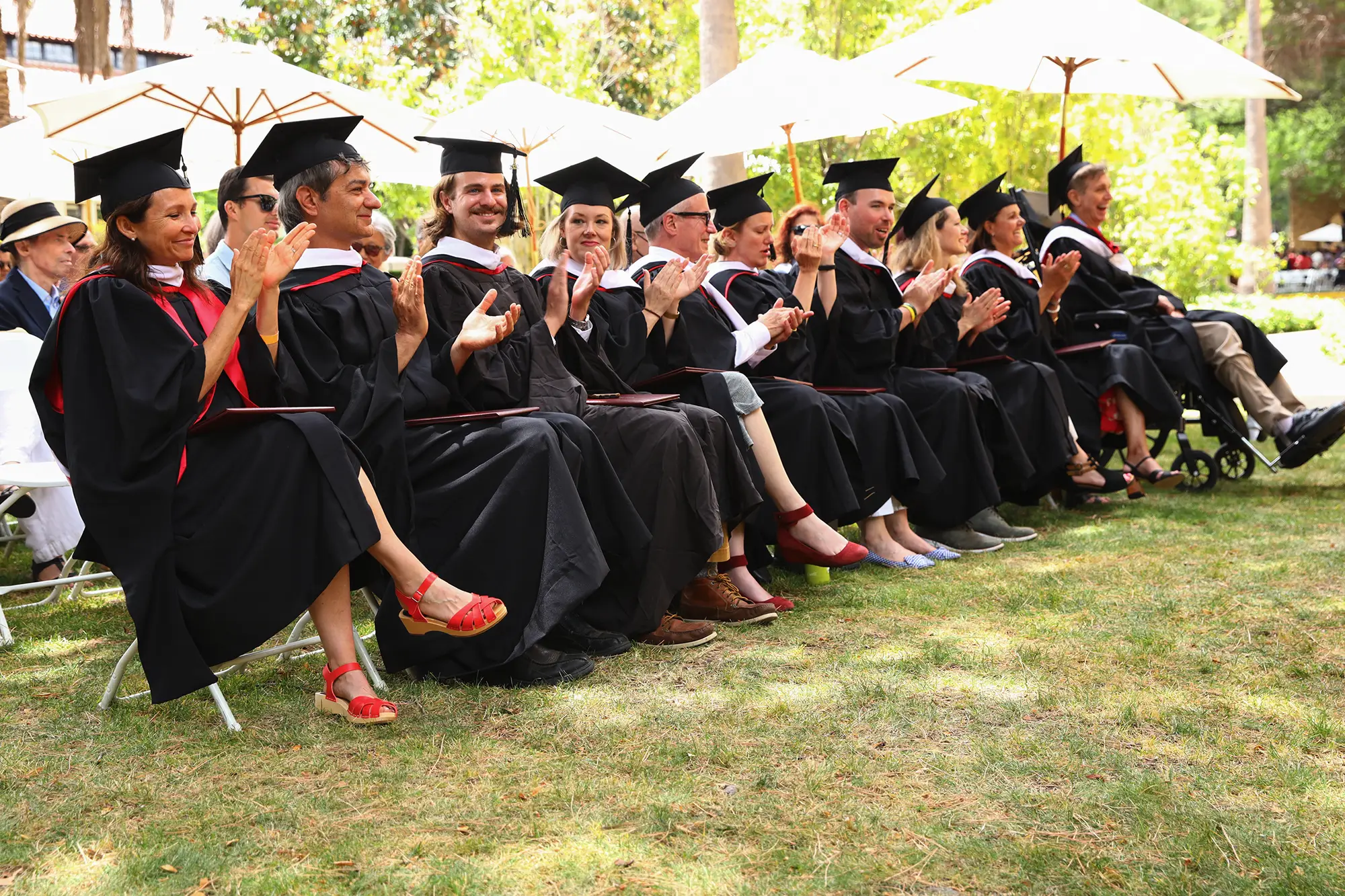
Continuing Studies is pleased to offer a variety of free public programs and special events every year, including lectures, readings, and webinars covering a broad range of subject areas from current affairs to the creative arts.

Learn more about upcoming events

Master of Liberal Arts
Stanford Master of Liberal Arts
Start your next chapter with a part-time, evening graduate degree in the liberal arts.

Stanford’s Master of Liberal Arts Program (MLA) offers an extraordinary opportunity to pursue an interdisciplinary course of study in the liberal arts and earn your master’s degree at one of the world’s great centers of learning. Designed with busy adults in mind, this part-time graduate degree program holds classes in the evenings and offers a flexible academic schedule.

S

tanford’s Master of Liberal Arts Program (MLA) offers an extraordinary opportunity to pursue an interdisciplinary course of study in the liberal arts and earn your master’s degree at one of the world’s great centers of learning. Designed with busy adults in mind, this part-time graduate degree program holds classes in the evenings and offers a flexible academic schedule.

In the MLA program, students form a close-knit cohort that takes courses taught by Stanford faculty. Areas of study include history of science, philosophy, literature, environmental studies, political science, history, and more. Students will hone their ability to write persuasively and creatively, develop compelling arguments, conduct original research, and integrate thinking from multiple disciplines. For many students, these are ends in themselves. For others, these skills serve them well in their professional lives.

MLA applications are accepted from September through January, with classes beginning in September of the following academic year. For more information on the program and admissions details, please visit: mla.stanford.edu.

Taking Stanford Continuing Studies courses can be excellent preparation for applying to the MLA program. Each quarter, the MLA program recommends courses that are similar in subject and format to seminars you would find in MLA study.
Stanford flag with leaves in front
© Robert Siegel
Whether you prefer the flexibility of online classes or the vibrant atmosphere of in-person sessions, we look forward to seeing you this Spring Quarter!

Registration opens February 23, and the quarter begins the week of March 30.