
Stanford Continuing Studies Spring Courses 2025

Stanford Continuing Studies Logo
Spring 2025
Welcome Letter
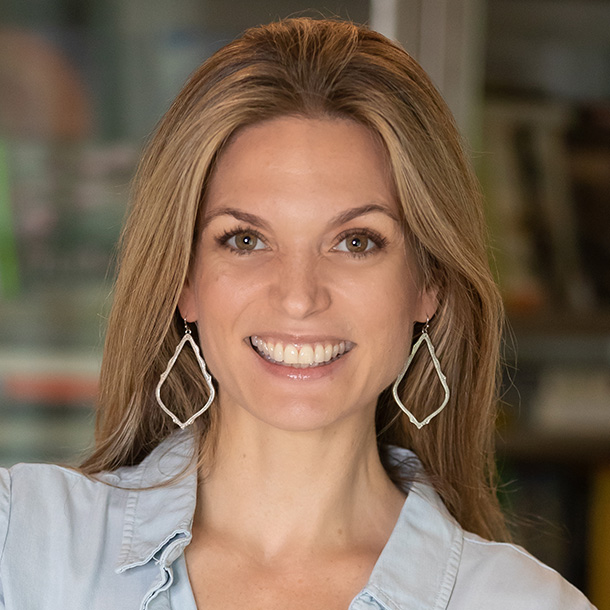
Jennifer Deitz headshot

Welcome Letter

Dear Friends,
I

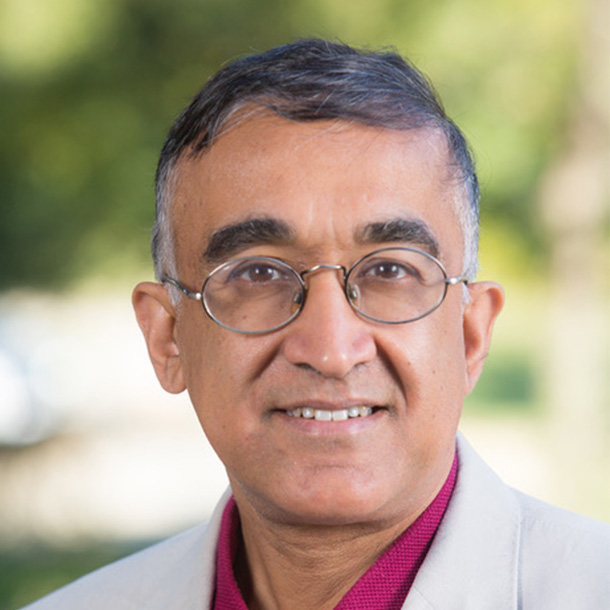
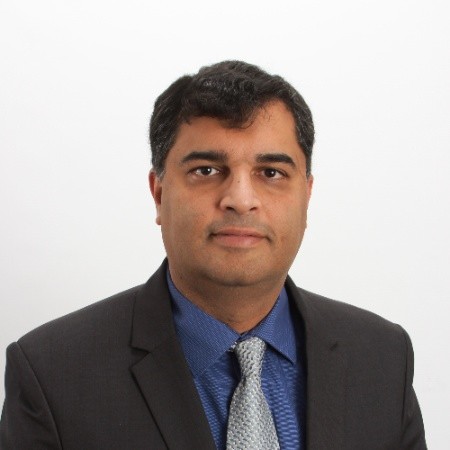
hope you are all well! We have so many exciting courses in our lineup this quarter to talk about, but before getting into the details, I wanted to take a moment to welcome Nita Singh Kaushal to the Stanford Continuing Studies team as our business curriculum coordinator, leading the development of our business course lineup each quarter.

Nita brings a wealth of leadership experience and industry knowledge to the role. She graduated from Stanford with a degree in electrical engineering and has taught a variety of business leadership, engineering, and management courses through Continuing Studies and the Stanford School of Engineering.

She is the founder of Miss CEO, a company that empowers students and women with world-class leadership training, mentorship, and career exploration opportunities. Nita is also the founder and principal of NSK Leadership LLC, which specializes in professional development through tailored workshops, keynotes, coaching, and webinars. Nita has held senior product management, engineering, and operations roles at Yahoo and Intel.

Nita is already inspiring all of us at Continuing Studies with the innovative ideas and powerful vision she’s bringing to our program. Stay tuned for a wide range of new business offerings to come! Nita will also continue to teach regularly with us. This spring, you might consider taking her terrific course, “Leadership Skills for Women in the Workplace: Aim High and Achieve Impact.”

A few other courses in our lineup worth highlighting are “Geopolitics in the 21st-Century Middle East,” a speaker series featuring Stanford scholars, led by Freeman Spogli Institute visiting fellow Amichai Magen; “Vincent van Gogh and His World,” taught by Stanford art historian Alexander Nemerov; and our “Stanford Distinguished Faculty Lecture Series,” which will include talks by Stanford historians Caroline Winterer, James Campbell, and Martin Lewis, along with Stanford political scientist Larry Diamond.

Finally, we have pulled together a collection of spring-themed courses that we hope you will enjoy:

Looking forward to seeing you in class!

Warmly,

Jennifer Deitz signature

Jennifer Deitz
Director & Associate Dean
Table of Contents

Table of Contents

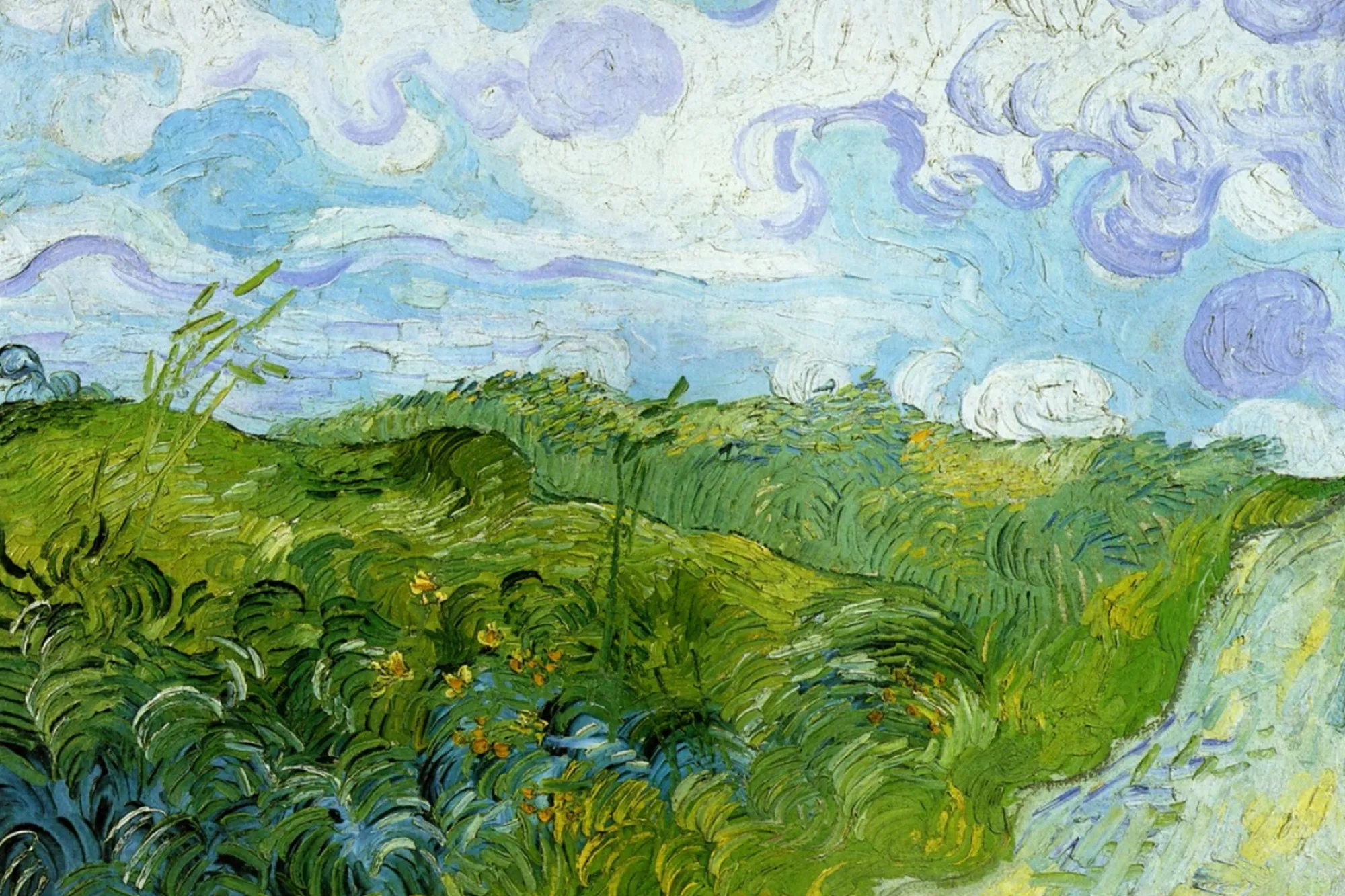
A vibrant oil painting by Vincent van Gogh titled Wheatfield with Crows, depicting a lush green wheat field under a swirling, cloudy blue sky. A winding dirt path cuts through the field and disappears into the horizon. Dark crows are scattered across the sky, adding a sense of movement and intensity to the scene. The bold, textured brushstrokes and vivid colors convey a sense of turmoil and emotional depth.
Featured Courses

Explore a curated selection of Stanford’s top courses across various disciplines, designed to provide an exceptional learning experience
Low-angle perspective of classical building columns extending toward a bright blue sky with light clouds.
Liberal Arts & Sciences

Immerse yourself in the liberal arts to awaken your creativity, enhance your critical thinking abilities, and gain a deeper understanding of our complex world.
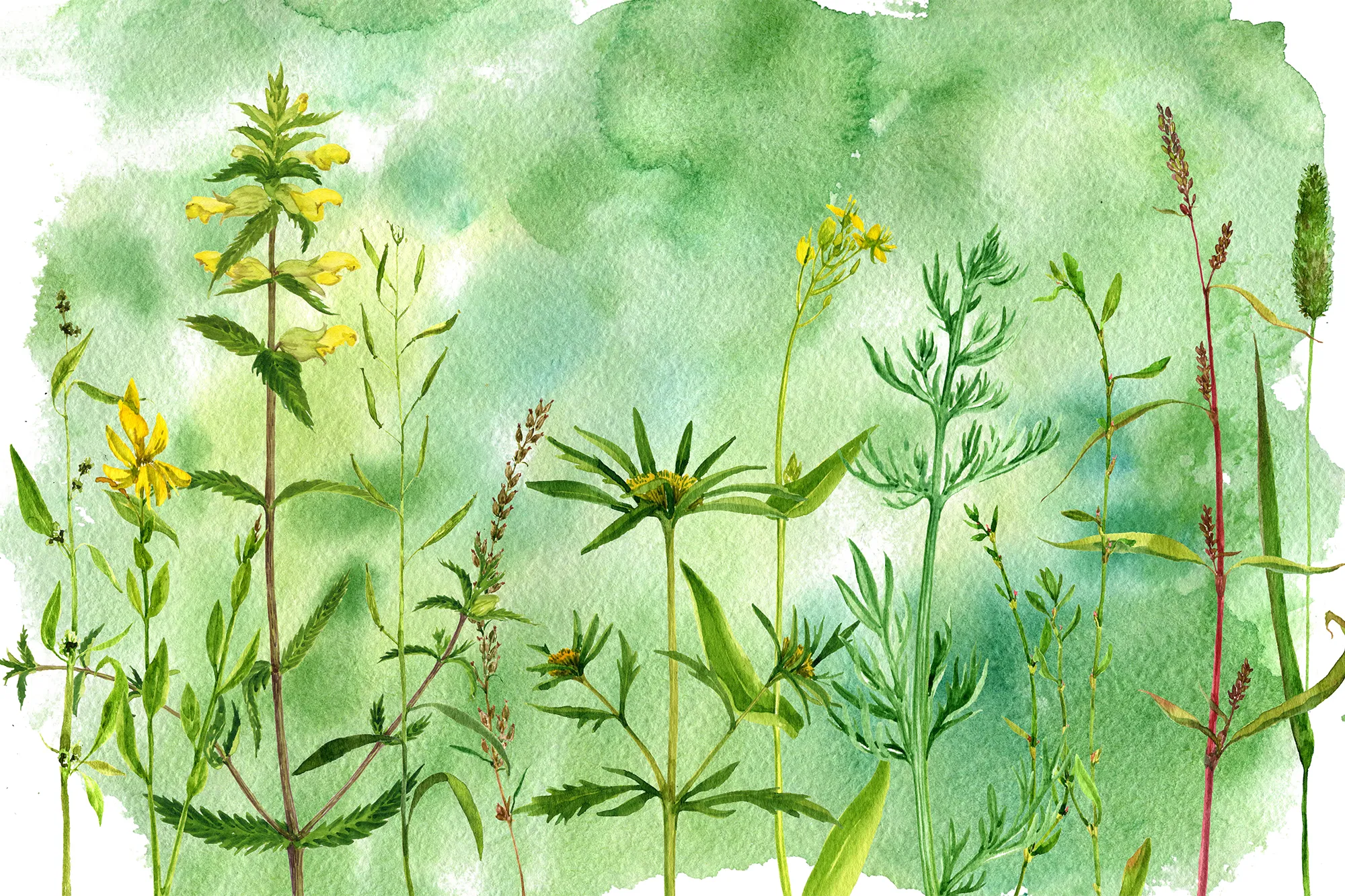
Watercolor illustration of delicate green plants and wildflowers on a soft green background.
Art Studio

Reignite your capacity for creativity in an art studio course.
Flat lay of chocolate bars, cocoa beans, and spices on a rustic wooden table, representing gourmet chocolate.
Food & Drink

Indulge your taste buds in a culinary journey through our Food & Drink courses.
Zen garden with three round stones and concentric circles raked in fine sand, symbolizing wellness and balance.
Wellness & Health

Prioritize your health and wellness with courses designed to help you build healthy habits and support your mental and emotional well-being.
Scattered letters in black with motion blur effect on a light gray background, representing creative writing.
Creative Writing

Whether you’re just beginning to write or putting the finishing touches on your first novel, our writing courses offer expert instruction from accomplished authors, individual attention, and supportive feedback.
White speech bubbles with quotation marks hanging by strings against a vibrant orange background.
Communication

Hone your communication skills and learn how to convey a clear, compelling, and consistent message.
Wooden blocks with person icons connected by lines on a blue background, symbolizing professional networking.
Business

Our business courses will equip you with the knowledge and skills you need to succeed in building your career, launching a startup, or growing a business.
Abstract visualization of a connected network of data points and lines on a dark background, symbolizing technology.
Technology & Data Science

Embark on a journey through artificial intelligence, master a new coding language, or dive into the world of data science.
up-close of Campus building pillars with shadows peering through
Writing Certificates

Have you always wanted to write a book? Our Novel Writing Certificate and Memoir Writing Certificate are designed to take you from initial inspiration to a polished manuscript.
Campus building in background with bushes in the foreground
Public Programs

Continuing Studies is pleased to offer a variety of free public programs and special events every year.
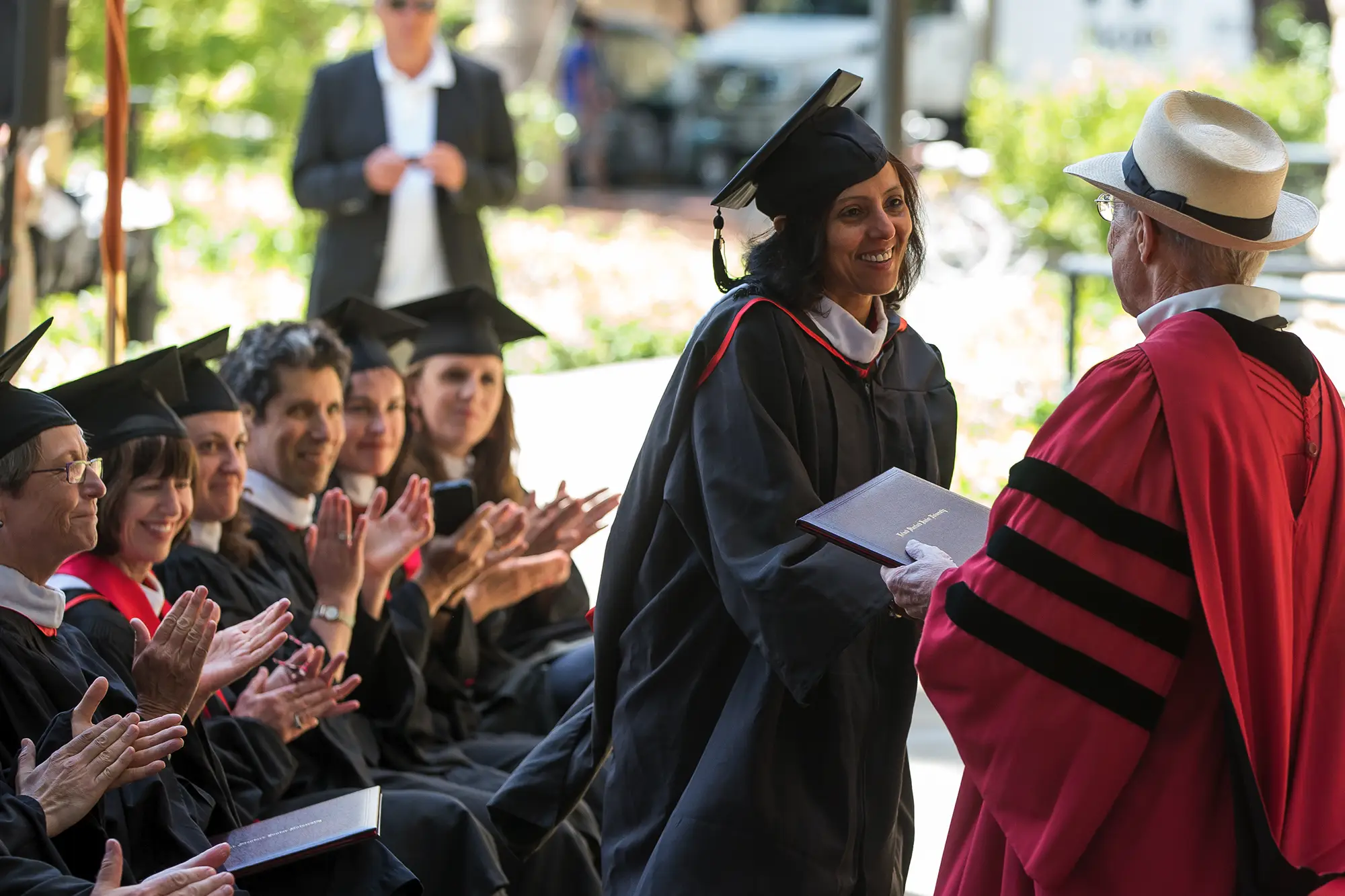
Stanford MLA Graduate shaking hands
Master of Liberal Arts

Start your next chapter with a part-time, evening graduate degree in the liberal arts.
Featured Courses

Featured Courses

Liberal Arts & Sciences

Liberal Arts & Sciences

Immerse yourself in the liberal arts to awaken your creativity, enhance your critical thinking abilities, and gain a deeper understanding of our complex world. From fine arts to film, language to literature, philosophy to history, explore a rich array of courses in the liberal arts and sciences.

Archaeology


Patrick Hunt
Former Director, Stanford Alpine Archaeology Project; Research Associate, Archeoethnobotany, Institute of EthnoMedicine

Are the Old and New Testaments works of literature, historical records, or a blend of both? This course dives into the compelling intersection of archaeology and biblical texts, offering fresh perspectives on these ancient writings. By examining artifacts and exploring the cultures of the Ancient Near East, you’ll uncover how archaeological discoveries shed light on the stories and events of the Old and New Testaments.

Architecture


Sapna Marfatia
Campus Preservation Architect and Director, University Architecture/Campus Planning & Design, Stanford

Explore the opulent Filoli estate, a symbol of the Gilded Age, and its Beaux Arts mansion through this immersive course on architecture as visual art. Led by Stanford’s architecture director, gain insight into how architectural ingenuity seamlessly blends form and function, giving rise to a culturally significant landmark.

Art History


Alexander Nemerov
Carl and Marilynn Thoma Provostial Professor in the Arts and Humanities, Stanford

Vincent van Gogh is one of the most famous artists in history—but how deeply do we truly know him? This course invites you to explore beyond the familiar, examining Van Gogh’s art and the world he inhabited. Beginning with his evocative paintings of the asylum grounds at Saint-Rémy, we will uncover how his work captures the essence of nature—portraying trees, skies, and budding branches with raw intensity and striking immediacy.

Patrick Hunt
Former Director, Stanford Alpine Archaeology Project; Research Associate, Archeoethnobotany, Institute of EthnoMedicine

This course examines the ethics of art collecting repatriation, tracing the history of art theft and plundering from ancient times to the modern day. Through global case studies, it explores controversial questions about the dislocation of cultural treasures and the fine line between preservation and exploitation.

Classics


Barbara Clayton
Independent Scholar

In this course, we will examine Homer’s Odyssey, with the aim of paying attention to the poem’s strong feminine component. We will explore what its female characters have in common and how they function as both foil and mirror for Odysseus.

Climate Change & Sustainability


Zachary Kaufman
Postdoctoral Scholar, Department of Earth System Science, Stanford

How do we predict future changes? What will the Earth look like in 50 years and in 100 years, and why? This course explores the Earth’s intricate climate system and how climate change will shape the future.

Education


Louis Newman
Former Dean of Academic Advising and Associate Vice Provost for Undergraduate Education, Stanford

The college journey can feel overwhelming at times, and this course is designed to empower parents with the tools they need to support their students with confidence. Led by a former Stanford dean, the course guides families through key milestones, from setting meaningful goals and selecting the right school to preparing for college-level challenges and fostering student independence and well-being.

Film Studies


Mick LaSalle
Film Critic, Hearst Newspapers

Discover the second golden age of American cinema, a transformative period in the 1970s that reshaped Hollywood. This course examines iconic films like Dog Day Afternoon and Chinatown, exploring how cultural shifts and newfound creative freedom propelled directors and stars to redefine storytelling on screen.

Ericka Knudson
Independent Scholar

Embark on a journey through one of the most influential eras in Italian cinema, from the rise of neorealism to the groundbreaking art house films of the 1960s. This course explores iconic works by directors such as De Sica, Rossellini, Fellini, and Antonioni, examining how their moral convictions and innovative aesthetics captured the social and cultural shifts of postwar Italy. Through films like Bicycle Thieves, La Strada, and L’Avventura, we’ll discuss themes of class, identity, and the evolution of cinematic storytelling.

History


Michael Shanks
Professor of Classics and Professor of Archaeology, Stanford

Gary Devore
Archaeologist

Step into the ancient world and challenge the myths and preconceptions surrounding Greco-Roman history. Explore beyond the conventional narratives of civilization’s rise and fall, dynastic conflicts, and military conquests. Through a thousand years of history, from 700 BCE to 450 CE, gain fresh insights into what truly shaped the motor of ancient civilizations.

Thomas S. Mullaney
Professor of History, Stanford

Explore the expansive history of information technology, from movable type and telegraphy to weaving and music notation systems. This course examines how diverse tools for creating and transmitting knowledge have shaped—and been shaped by—culture, society, and the environment from 1400 to today, offering fresh insights into the technologies that define human communication.

International Studies


Amichai Magen
Visiting Professor and Fellow in Israel Studies, Freeman Spogli Institute for International Studies, Stanford

This course examines the forces that shaped the modern Middle East, its current dynamics, and future scenarios. Featuring experts from Stanford and beyond, it begins with a historical overview; explores how countries like Egypt, Iran, Israel, Lebanon, and Turkey approach the deep regional transformations; and considers the Middle East’s role in broader global shifts. Finally, it evaluates prospects for resolving the Israeli-Palestinian conflict and the potential for regional peace amid ongoing turmoil.

Joseph Torigian
Research Fellow, Hoover Institution, Stanford

This course examines the rise of China and Russia as “revisionist powers” and their impact on global politics. By exploring their historical trajectories, leadership strategies, and key moments like China’s 1980s reforms and Russia’s resurgence under Putin, students will analyze how these nations defend their regimes, challenge great powers, and reshape international relations. The course also critically evaluates the growing ties between Beijing and Moscow and their implications for US foreign policy.

Languages


Heather Howard
Lecturer in French, Stanford

Designed for students with little to no knowledge of French, this course focuses on acquiring basic communication skills using a creative, all-in-French, conversational approach in a fun and relaxed class atmosphere.

Giovanni Tempesta
Advanced Lecturer in Italian, Stanford

This course is for students with prior Italian experience or those who can discuss daily activities and shop in Italian. Using a “building block” approach, it rapidly improves written and oral skills with essential vocabulary and grammar, supported by Italian media like videos and newspapers. Individualized attention ensures progress toward goals, with students learning to read menus, order meals, and discuss work and travel experiences in detail.

María Cristina Urruela
Former Lecturer in Spanish, Stanford

It’s time to speak Spanish with confidence! This immersive course is your gateway to oral proficiency and comprehension, offering a vibrant exploration of the Spanish-speaking world and its rich cultures.

María Cristina Urruela
Former Lecturer in Spanish, Stanford

This course is designed for students who have completed “Beginning Spanish: Part II,” or who can meet and mingle with others, talk about their interests and activities past and present, and ask others about theirs, in Spanish. Learn to interact on a more sophisticated level, expressing opinions, describing professional plans, talking about health-related issues, and beginning to narrate past events.

Literature


Nicholas Jenkins
Associate Professor of English, Stanford

Explore the gripping depths of Dante Alighieri’s Inferno, the first part of his epic masterpiece, The Divine Comedy. Written in the aftermath of his exile, Inferno recounts a harrowing journey through hell’s many circles, where vivid, unforgettable encounters reveal the anguish of sin and the hope of redemption. Guided by the Roman poet Virgil, Dante’s tale blends intense physical imagery with profound spiritual reflection, making it one of the most compelling works of Western literature.

Kristen Edwards
Independent Scholar

Natalya Sukhonos
Independent Scholar

Mikhail Bulgakov’s The Master and Margarita takes readers on a wild journey through Soviet Moscow, where Satan sparks chaos, bureaucrats run amok, and art defies authority. This course explores Bulgakov’s critique of Soviet society, shaped by his life under Lenin and Stalin, through a close reading of his masterpiece and its connections to his 1920s works. We’ll examine themes of good and evil, culture and power, and the subversive role of humor in his writing.

Michael Krasny
Professor of English, Emeritus, SF State

This course explores American short stories from 1945 to the present, featuring a diverse selection of iconic authors such as Flannery O’Connor, James Baldwin, Louise Erdrich, and Jhumpa Lahiri. Through close readings and discussions, we’ll analyze major themes, stylistics, and craft, examining how these writers reflect their cultural zeitgeist and why their works resonate deeply with readers.

Music Studies


David Gans
Producer and Host, The Grateful Dead Hour

Dive into the world of the Grateful Dead and discover how their groundbreaking mix of original songs, reimagined covers, and group improvisation redefined live music and creative collaboration. With insights from musicians and composers who’ve studied and collaborated with the band, we will unpack the technical brilliance behind the Dead’s improvisation and explore their lasting impact on music and culture.

Nurit Jugend
Composer and Filmmaker

Celebrate the beauty of spring through classical music in this course, which explores how composers like Vivaldi, Schumann, Mendelssohn, and Stravinsky transformed the rhythms of nature into timeless masterpieces. Through guided listening and historical context, we’ll uncover the emotional and artistic connections between music and the natural world, deepening your appreciation for both.

Music Studio


Lisa Sanchez
Instructor, Gryphon Stringed Instruments

Have you always wanted to play the guitar but were afraid it would be too hard to learn? This course will help make guitar playing easy and fun. At a comfortable pace, students will learn basic chords and right-hand accompaniment patterns and apply these techniques to easy folk and popular songs—including songs written by John Fogerty, Carole King, and more.

Philosophy


Hyoung Sung Kim
COLLEGE Lecturer, Civic, Liberal, and Global Education, Stanford

This course explores existentialism as a philosophy of individual freedom, choice, and responsibility, examining its relevance from historical figures like Kierkegaard and Sartre to contemporary thinkers like Korsgaard and Butler. Topics include authenticity, identity, and the intersection of individual and collective responsibility, connecting existentialist ideas to modern societal challenges.

Mona Rawal
Philosophy Instructor and Chair, Department of Humanities, Foothill College

Explore the rich tapestry of Eastern and Western philosophies in this engaging course, guided by the thread of logic that unites them. We will examine Eastern systems like Nyāya and Buddhism alongside Western philosophies of Aristotle and the Stoics, culminating in a comparative analysis. Students will gain a deeper understanding of diverse intellectual traditions and the shared wisdom that bridges cultures.

Psychology


Connor Adams
Clinical Assistant Professor, Department of Psychiatry and Behavioral Sciences, Stanford Medicine

Navigate the diverse landscape of psychotherapy with ease through this comprehensive course. Whether you’re seeking therapy for yourself, aiming to provide therapy to others, or assisting loved ones in finding the right therapist, this course will equip you with the foundational knowledge to make informed decisions as we explore major therapeutic approaches such as CBT, DBT, ACT, psychodynamic therapy, and motivational interviewing.

Marwa Azab
Adjunct Professor of Psychology, CSU Long Beach

While stress may seem unavoidable, understanding its nuances can empower you to leverage it for success rather than let it sabotage your well-being. This course teaches you to examine stress as a “double agent” that sometimes acts as a motivator to enhance your focus and performance and, at other times, undermines your mental and physical health. Using cutting-edge neuroscience and psychology, we will explore how short bursts of stress can sharpen problem-solving, boost memory, and improve performance in high-pressure situations.

Elias Aboujaoude
Clinical Professor, Psychiatry and Behavioral Sciences, Department of Psychology, Stanford

This course examines how internet-related technologies shape psychology and mental health, influencing cognition, attention, memory, and behavior. We’ll explore the personal and societal costs of social media overuse and strategies for achieving psychological balance in a world where privacy is scarce. The course also highlights innovative tools like VR, AI, and video platforms that are transforming mental healthcare and expanding access to treatment.

Religious Studies


Farah El-Sharif
Visiting Scholar, Abbasi Program in Islamic Studies, Stanford

This course explores Sufism, the inner dimension of Islam, and its contributions to poetry, ethics, and spirituality. Through figures like Rumi and Rabi’a al-Adawiyya, we’ll examine themes of love, inner harmony, and spiritual truth while also uncovering Sufism’s role in activism and resistance. Ideal for those seeking a deeper understanding of Islam’s spiritual core, this course highlights Sufism’s depth and lasting legacy.

Science


Ronjon Nag
Adjunct Professor in Genetics, Stanford Medicine

Embark on a captivating exploration of the human lifespan and the science behind aging. Discover groundbreaking research programs at Stanford and beyond, and explore innovative technologies that can enhance the quality of life as we age, from advanced monitoring and predictive diets to artificial intelligence assistants.

Clyde Wilson
Research Associate, Biochemistry, UC San Francisco

Good nutrition seems straightforward, but modern food choices, additives, and diets complicate the picture. This course explores the science behind popular diets, deprivation practices like fasting, and medications like Ozempic, weighing their benefits and risks. By examining these trends, we’ll uncover what minimal nutrition our bodies need to stay healthy in a complex food landscape.

Lucia Aronica
Lecturer, Stanford Prevention Research Center

Discover how lifestyle choices can influence your genes in this exploration of epigenetics and nutrigenomics. Learn how diet, environment, and habits shape gene activity, affecting metabolism, longevity, and mental health. This course provides practical tools and personalized insights to help you design a nutrition plan that supports vitality and improves your quality of life.

Bruce Fogel
Adjunct Professor, Division of Clinical Anatomy, Department of Surgery, Stanford Medicine

Jennifer Alyono
Clinical Assistant Professor, Otolaryngology, Stanford Medicine

Nikolas Blevins
Larry and Sharon Malcolmson Professor, Stanford Medicine

This course offers an immersive exploration of anatomy using cadaver specimens and advanced digital technologies, including 3D visualization tools and haptic simulations. Students will learn how to identify anatomical structures and common clinical conditions affecting the ear. Combining traditional and cutting-edge methods, the course provides a unique insight into how anatomy is taught and applied at Stanford, enhancing understanding and improving patient care.

Huijun Ring
Adjunct Professor, Department of Medicine, Stanford Medicine
Joseph Weber
Fellow, Stanford Distinguished Careers Institute
Curious about how practices like acupuncture, tai chi, herbal remedies, and dietary therapy can support your health and well-being? This course provides an in-depth introduction to the principles, practices, history, and science of Chinese medicine. Learn foundational concepts such as yin and yang (complementary forces), qi (vital energy), and the five elements (wood, fire, earth, metal, and water), exploring how these ancient ideas are applied to promote health.

Sports


Andy Dolich
President, Dolich Consulting

Dave Newhouse
Former Sports Writer and Columnist

Baseball is more than a game—it’s a cornerstone of American culture. This course takes you behind the scenes to explore the history, strategy, and business of America’s pastime through the eyes of players, umpires, analysts, and executives. With guest speakers from the major leagues, we’ll dive into topics like player journeys, analytics, media, and stadium construction, offering a rich and entertaining look at what makes baseball so timeless.

Stanford Distinguished Faculty Lecture Series

Caroline Winterer
William Robertson Coe Professor of History and American Studies; Professor of History and, by courtesy, of Classics and of Education; Chair, Department of History, Stanford

Larry Diamond
Mosbacher Senior Fellow in Global Democracy at the Freeman Spogli Institute for International Studies; William L. Clayton Senior Fellow at the Hoover Institution; Professor, by courtesy, of Sociology and of Political Science, Stanford

Martin Lewis
Senior Lecturer in International History, Emeritus, Stanford

James Campbell
Edgar E. Robinson Professor in United States History, Stanford

Join us this spring for our engaging Stanford Distinguished Faculty Lecture Series, featuring four Stanford faculty members delivering talks on their diverse areas of research. Discussions include “Answering Big Questions: Thoreau, Emerson, and More,” “Beyond the Divide: Reforms to Curb Polarization,” “The Myth of Continents,” and “The Problem of Historical Memory.”

Art Studio

Art Studio

Reignite your capacity for creativity in an art studio course. From drawing and photography to creating your own podcast or video, our courses will help you develop your skills and find inspiration that will truly elevate your creative expression.

Audio, Video & Film


Ryan Campos
Audio Specialist and Sound Artist

Learn how to create your own successful podcast. This course will cover topics such as podcast structure, content formats, equipment options for different budgets, hosting platforms, and maximizing exposure and profitability. Gain hands-on experience in recording and editing techniques and come away from the course with a trailer, a five-minute pilot episode, and an outline for a complete podcast series.

Drawing, Painting & Other Media

Jojo Liu
Chinese Calligraphy Artist and Instructor
Discover the ancient art of Chinese calligraphy, a practice that sharpens focus and calms the mind. In this introductory course, you’ll explore its rich history and philosophy while mastering foundational techniques, tools, and styles. Guided practice in a welcoming environment will help you craft delicate characters on rice paper, fostering connections between artistry, culture, and mindfulness.

Michael Azgour
Artist
Spend more time creating and less time analyzing in this five-week intensive designed for students who want to incorporate a creative art practice into their daily lives. Students will explore mixed media in unconventional ways, focusing on the creative process rather than mastering a particular medium. Daily prompts will guide students through various artistic exercises using materials like graphite, ink, acrylic paint, photography, and collage.

Lauren Toomer
Lecturer, Department of Art & Art History and Division of Clinical Anatomy, Stanford
Based on the Art and Anatomy courses for Stanford medical students, this course is a unique opportunity to explore the human body with the eye of an artist. Through hands-on drawing and step-by-step guidance, you’ll develop both your artistic skills and anatomical knowledge, leaving you with the ability to draw the human figure with creativity and accuracy.

Erin E. Hunter
Fine Artist and Science Illustrator
Explore the art and science of botanical drawing with guidance from a professional science illustrator. This course combines the study of botanical anatomy with hands-on techniques, including sketching, watercolor, and colored pencil. Through flower dissection and observation, you’ll create a detailed botanical study while learning to capture the beauty of both cultivated and wild blooms.

John Peck
Instructor, Triton Museum of Art
Whether you’re a beginner or an experienced artist, this course will equip you with the techniques to create realistic portraits and serve as a valuable foundation for future painting endeavors. Using a small mirror, we will distinguish between our imagination and what our eyes actually see. This approach will lead to an entirely objective way of seeing and drawing the realistic portrait.

Trevor Tubelle
Artist
Reawaken the natural creativity we all tapped into through drawing in childhood. Engaging in daily drawing prompts—requiring only minimal supplies—encourages you to explore the drawing process rather than strive for technical skills. The ultimate goal is to provide the tools to maintain a personal creative drawing practice, reconnecting you with your creative self.

Joshua Moreno
Lecturer, Department of Art & Art History, Stanford
Embark on a creative journey through the timeless art of watercolor painting. This hands-on course introduces beginners to the fundamental techniques, tools, and principles of watercolor painting. Achieve different effects and textures by experimenting with various watercolor techniques, including wet-on-wet, dry brush, and glazing. Learn to mix and blend pigments to create vibrant and harmonious compositions.

Katie Hawkinson
Artist
How do you decide what to paint? This course focuses on refining artistic voice and exploring diverse painting techniques. Learn to choose subjects, develop a cohesive series, and create strong compositions. Techniques like experimental printmaking, collage, and automatic drawing will guide pathways into abstraction. Emphasizing contrasts such as simplicity vs. complexity and organic vs. geometric, the course offers fresh approaches to painting.

Photography

Yoni Mayeri
Photographer and iPhoneographer

Learn to turn your everyday iPhone photos into stunning pictures. Explore the built-in Photos app for editing and enhancing images, optimize the features of the native camera, and discover third-party editing applications and accessories to enhance your images.

Don Feria
Photographer

Designed for photography novices, this course teaches basic photography skills and digital workflow management, guiding students through shooting in manual exposure mode across various conditions and blending techniques with compositional concepts. Gain practical knowledge on managing your photographs both inside the camera and on the computer.

Joel Simon
Documentary and Fine Art Photographer

Join us for a hands-on field photography workshop at Jasper Ridge Biological Preserve. Known by researchers from all over the world for its geologic, topographic, and biotic diversity, this setting is an ideal location to photographically explore a wide range of natural features, from open landscapes to redwood groves, aquatic shorelines, the historic step dam, and macro views of local fauna.

Joel Simon
Documentary and Fine Art Photographer

AI art! What is this magical new tool, and can it enrich our creative process? For the first time ever, computers are able to generate images based on simple word descriptions. In this introductory course, we will explore the potential of AI as a creative instrument and help you develop the skills to produce your own AI-generated art.

Food & Drink

Food & Drink

Indulge your taste buds in a culinary journey through our Food & Drink courses. From wine and coffee to chocolate and cheese, our courses are designed to broaden your knowledge and feed your curiosity.

Food & Drink Courses


Carla Martin
Founder and President, Fine Cacao and Chocolate Institute

José López Ganem
Director of Innovation, Fine Cacao and Chocolate Institute

From bean to bar, discover the world of chocolate and explore its historical, cultural, and scientific dimensions. Gain insights into the journey of cacao and chocolate, from tropical agronomy to international trade, while savoring guided tastings to develop a deeper appreciation for this beloved treat.

Wellness & Health

Wellness & Health

Prioritize your health and wellness with courses designed to help you build healthy habits and support your mental and emotional well-being. Explore courses taught by psychologists, physicians, health advisors, and other experts in their field.

Life Design


Raj Bhargava
Educator and Entrepreneur

Drawing on the latest behavioral science research, we’ll delve into the meaning of life, mindsets, vulnerability, and habits. Through design thinking, collaborative exercises, and the integration of artificial intelligence, you’ll develop a clear and measurable plan, equipped with the tools to overcome barriers and embark on an exciting new chapter of your life.

Mark Nicolson
Founder, Nicolson Group

You have never been where you are today. Have you created the impact you want? Do you show up the way you desire? Are you moving in the right direction? Rarely do we allow ourselves time to stop and examine what is changing in our lives and what we need to feel fulfilled. Drawing on psychological principles, movement practice, and ancient wisdom traditions, students in this course will create a unique environment for self-renewal in which peers convene for a rare opportunity of intense personal learning, interaction, and exploration.

Longevity

Ronjon Nag
Adjunct Professor in Genetics, Stanford Medicine

Embark on a captivating exploration of the human lifespan and the science behind aging. Discover groundbreaking research programs at Stanford and beyond, and explore innovative technologies that can enhance the quality of life as we age, from advanced monitoring and predictive diets to artificial intelligence assistants.

Mindfulness


Vince Ricci
Founder and Principal, City Stages

Learn to turn uncertainty into opportunity with the power of improvisation. This course goes beyond humor, teaching you to trust your instincts, think quickly, and communicate effectively in unexpected situations. Through innovative techniques and hands-on practice, you’ll gain the confidence to handle everything from impromptu team discussions to on-the-spot questions, equipping you with skills to adapt and thrive in any scenario.

Nutrition


Clyde Wilson
Research Associate, Biochemistry, UC San Francisco

Good nutrition seems straightforward, but modern food choices, additives, and diets complicate the picture. This course explores the science behind popular diets, deprivation practices like fasting, and medications like Ozempic, weighing their benefits and risks. By examining these trends, we’ll uncover what minimal nutrition our bodies need to stay healthy in a complex food landscape.

Lucia Aronica
Lecturer, Stanford Prevention Research Center

Discover how lifestyle choices can influence your genes in this exploration of epigenetics and nutrigenomics. Learn how diet, environment, and habits shape gene activity, affecting metabolism, longevity, and mental health. This course provides practical tools and personalized insights to help you design a nutrition plan that supports vitality and improves your quality of life.

Physical Health & Well-Being


Amy Wong
Conversational Intelligence Certified Executive Coach
Liz Fosslien
Author and Keynote Speaker
Learn practical strategies to combat burnout and cultivate resilience in this workshop rooted in emotional intelligence, mindfulness, and effective communication. Through hands-on exercises and science-backed insights, you’ll build healthier habits, regulate stress, and foster balance—leaving you energized and prepared for life’s challenges.


Huijun Ring
Adjunct Professor, Department of Medicine, Stanford Medicine
Joseph Weber
Fellow, Stanford Distinguished Careers Institute
Curious about how practices like acupuncture, tai chi, herbal remedies, and dietary therapy can support your health and well-being? This course provides an in-depth introduction to the principles, practices, history, and science of Chinese medicine. Learn foundational concepts such as yin and yang (complementary forces), qi (vital energy), and the five elements (wood, fire, earth, metal, and water), exploring how these ancient ideas are applied to promote health.

Creative Writing

Creative Writing

Whether you’re just beginning to write or putting the finishing touches on your first novel, our writing courses offer expert instruction from accomplished authors, individual attention, and supportive feedback. Choose from courses in creative nonfiction, fiction, poetry, memoir, publishing, travel writing, the short story, and more.

Creative Nonfiction & Memoir


Caroline Goodwin
Author

This course is for anyone who has started a memoir, dreams of writing one, or seeks support in navigating the creative decisions of memoir writing. Through prompts and craft readings, students will explore personal images, characters, and experiences to inspire their stories. With supportive peer groups, light feedback, and works like Cracked Pot and How to Live: A Memoir in Essays, students will develop their voices and begin shaping powerful, reflective narratives.

Monica Wesolowska
Author and Editor

This course offers a fresh start for memoir writers, exploring how memory shapes storytelling and how to navigate gaps or differing perspectives in recollections. Through discussions on craft elements like setting, character, and voice, students will gain tools to engage readers, silence critical inner voices, and renew their perspective on their stories with the inspiration to keep writing.

Alison Singh Gee
Visiting Lecturer, Writing & Rhetoric, Scripps College

In this course, writers of all levels will explore personal storytelling through the dynamic possibilities of creative nonfiction—true stories told using the techniques of fiction. We will study, discuss, and write personal essays, memoir, and explorations of travel and food. Learn to mine your burning memories and transform factual experiences into imaginative narratives using a range of techniques.

Leslie Contreras Schwartz
Faculty, MFA in Creative Writing, Alma College

This course focuses on transforming personal stories into universal narratives by exploring narrative distance and adding cultural, social, or historical depth. Through readings, creative exercises, and workshops, students will experiment with perspective and refine their memoirs using techniques like metaphor and figurative language. Students will craft and revise a 5,000-word piece, honing the balance between intimacy and broader resonance.

Rose Whitmore
Author

This course examines how powerful images from our lives can form the foundation of compelling personal essays, evoking emotion, conveying metaphor, and adding narrative depth. Through the works of writers such as Tobias Wolff, Sandra Cisneros, and Claire Vaye Watkins, we will learn to craft immersive nonfiction that resonates universally, culminating in a polished, thoughtfully developed essay.

Genre


Jarrod Shusterman
Author

Sofía Lapuente
Author

This course explores the art of writing science fiction and fantasy, focusing on world-building, complex characters, and topical themes where the fantastic mirrors the real. Students will analyze key craft elements and develop their own 5,000-word story or chapter, guided by experienced instructors and guest authors. By the end of the course, students will have gained industry insights, practical tools, and a polished chapter and outline ready for querying agents.


Deborah Johnson
Author

Have you ever delightedly sifted red herrings from clues in a great mystery novel or marveled at its plot twists? Create and craft a suspenseful thriller or mystery plot by learning how to build characters who enhance your story, where to lay clues, and how to misdirect the reader with well-placed distractions and interesting subplots. Understand the essentials of pacing and the art of ratcheting up the tension as the novel approaches its climactic moment.

Lynn Hazen
Author

Elissa Haden Guest
Author

This course explores the art of writing picture books, focusing on techniques like character development, conflict, structure, and vivid language to create emotionally resonant stories. Students will analyze classic and contemporary picture books, engage in writing prompts, share experiences, and gain insights into the publishing process, including manuscript formatting and the collaboration between authors and illustrators.

Narrative Craft


Jeff Lyons
Author

Build a strong storytelling toolbox by learning the art of crafting compelling premises and transforming them into actionable story synopses. Benefit from valuable peer feedback and personalized guidance from the instructor, and you’ll finish the course with a clear roadmap for your next steps in story development.

Nina Schuyler
Author

Step outside the confines of traditional storytelling and unlock the boundless creativity of alternative plot structures in this eye-opening course. Explore the power of associative, episodic, expository, argumentative, and other innovative plot forms, as used by acclaimed authors like Nicole Krauss, Stuart Dybek, Jenny Offill, and Isaac Bashevis Singer.

Marisa Handler
Author

Memory is an incredibly rich wellspring of material, and writing is an unrivaled means of exploring it. Using guided exercises and prompts, write your way into the key moments of your life. Locate memories that wield particular power in the telling and explore strategies for crafting them into captivating narratives. Emerge with pages of new work, fresh angles on some of your most powerful experiences, and a better understanding of how to effectively write about these moments.

Evgeniya Dame
Author

Elevate your fiction writing craft, building on your foundational knowledge of character, plot, point of view, and structure. Study chapters from acclaimed craft books and analyze published fiction by esteemed authors to gain fresh insights and develop more advanced techniques. Through writing exercises and feedback on a longer piece, you’ll create a robust portfolio and refine your approach to writing memorable and distinctive fiction.

Rachel Smith
Writer

Characters in fiction can stay with us long after we’ve finished a book. Through readings, craft essays, and writing exercises, this course demystifies the process. Students will study celebrated writers, explore critical perspectives on character, and learn to create authentic, original characters with depth and complexity. Open to writers at all levels, this course offers tools to craft vivid, memorable characters.

Novel

Wally Rudolph
Author
Ready to bring your novel idea to life? This course guides aspiring writers in transforming initial ideas into compelling first chapters. Through exploring plot, character, and structure, and refining drafts with feedback, students will develop a solid story concept, a detailed outline, and a sustainable writing practice—laying the foundation for their novel with confidence and creativity.

Ellen Sussman
Author
This course is ideal for students ready to start a novel, refine an idea, or get unstuck mid-draft. It tackles essential novel writing questions: Is the concept compelling? How much planning is necessary? Are the characters fully developed? What point of view works best? By addressing these topics, students will discover how prewriting can sharpen their ideas and lay a strong foundation for drafting. The course also provides practical strategies for building a consistent writing routine, empowering students to bring their novel to life.

Rachel Howard
Author
Many novelists start with a great idea, engine revving, only to sputter to a stop partway through a draft, unsure of what went wrong. Learn to fine-tune your narrative engine—from uncovering your story’s core tensions to mastering character, conflict, and pacing. Whether you’re just starting to build your novel idea or you’re struggling to restructure a first draft, this course will equip you with the concepts you need to be confident about the road ahead.

Julia Pierpont
Author
You’re well on your way with your novel, but how do you navigate the journey from the early pages to the end without losing momentum or falling into the dreaded “sagging middle”? This course is designed to guide you through the challenging middle sections by teaching you how to infuse key scenes and plot points with fresh suspense and deepen your protagonist’s conflicts while creatively increasing the tension.

Poetry

Allison Pitinii Davis
Author

Discover how the craft of poetry shapes meaning in this course designed for both beginners and experienced poets. Through studying elements like lineation, verb tense, and form—alongside works by poets such as Louise Glück and Terrance Hayes—you’ll gain tools to deepen your practice. Weekly prompts, workshops, and instructor feedback will help you refine your voice and create a polished collection of poems ready for personal use or potential publication.

Shann Ray
Poet

Develop your poetic voice by drawing inspiration from the world around you, just as Emily Dickinson did with her vivid imagery. Explore the art of poetry, from triggering ideas to crafting the perfect ending, and find your unique poetic expression while studying the works of renowned poets like Joy Harjo, Natalie Diaz, and Layli Long Soldier.

Prompt-Driven Writing

Malena Watrous
Writing Certificate Lead and Creative Writing Coordinator, Stanford Continuing Studies

Reignite your creative spark by nurturing the seeds of imagination within you. This course offers daily prompts to inspire your writing, helping you overcome self-doubt and reconnect with your creative instincts. Through freewriting exercises in genres such as creative nonfiction, fiction, and poetry, you’ll experience the joy of uninhibited expression.

Publishing


Heather Lazare
Editorial and Publishing Consultant

This course equips writers with the tools to craft a standout submission packet that maximizes their chances of landing the perfect agent. From honing your query letter and pitch to writing effective synopses or proposals, you’ll learn what agents look for and how to avoid common pitfalls. With expert guidance, exercises, and strategies for finding and approaching the right agents, you’ll leave with a polished submission packet ready to send to your dream list.

Short Story


Ammi Keller
Novel Writing Certificate Instructor, Stanford Continuing Studies

The short story is a dynamic and versatile form. How are today’s writers reinventing this genre that rose to prominence in the 19th century? And how can you find the perfect tone, structure, point of view, psychic distance, and length for your own work? This course explores stories by today’s most innovative authors while guiding students through techniques like balancing summary and scene, crafting complex characters, framing with a retrospective voice, sharpening dialogue, and more.

Georgina Beaty
Author

Learn to craft compelling short stories. For inspiration, we’ll study contemporary masters of the short form, including Nana Kwame Adjei-Brenyah and Zach Williams. By examining how they use perspective shifts, pacing, tension, and other literary techniques, you’ll gain insights to deepen your own storytelling and develop a unique voice and approach to form.

Communication

Communication

Hone your communication skills and learn how to convey a clear, compelling, and consistent message. Our courses in public speaking, interpersonal communications, and more will help you succeed in business and personal settings.

Communication Courses

James Wagstaffe
Instructor, Oral Communication Program, Stanford Summer Session

Bruce Bean
Founder and Owner, The Trafton Group Commercial Real Estate

Discover a hands-on, pragmatic approach to developing essential public speaking skills. From making memorable first impressions to captivating your audience, you’ll learn how to transform a “no” into a “yes.” Discover various speaking styles, from impromptu talks to compelling storytelling, and explore traditional speech genres like informative, persuasive, and entertaining presentations.

John Armstrong
Founder and Principal, Leadership Labs

Natasha Blitz-Jones
Leadership Coach

Master the art of giving and receiving feedback in this interactive course designed to boost confidence, strengthen relationships, and enhance performance. Through role-plays, real-time practice, and group exercises informed by research and Stanford’s “Designing Your Life” framework, you’ll learn to make feedback constructive and empowering in any setting.

Carmen Simon
Cognitive Neuroscientist

Why do some messages resonate deeply while others are quickly forgotten? The answer lies in the science of persuasion. Understanding how the brain processes words and images can help you motivate teams, negotiate effectively, and inspire others—whether in the boardroom or around the dinner table. This course explores the neuroscience behind crafting influential messages, revealing how specific emotional cues capture attention and drive decisions. You’ll discover which emotions enhance your message, how to balance emotional appeal for maximum impact, and why business jargon often works against you.

Jeff Cabili
Founder and Principal, How2Captivate

Discover the keys to effective nonverbal communication and master the “how to say it” aspect rather than solely focusing on “what to say.” Explore the nuances of expression, encompassing gestures, body language, vocal techniques, eye contact, and the strategic use of silence. Gain insights into leveraging nonverbal communication as a powerful tool for influencing others, even in challenging situations.

Matt Abrahams
Lecturer, Stanford Graduate School of Business

Adam Tobin
Senior Lecturer, Film and Media Studies, Stanford

Elevate your impromptu speaking skills and conquer public speaking anxieties in this hands-on course. Drawing on scholarly research, you’ll master the art of extemporaneous communication and build confidence and clarity for various professional and life situations, from formal presentations to spontaneous interactions like job interviews and Q&A sessions.

Debra Schifrin
Lecturer, Stanford Graduate School of Business

Daniel Schifrin
Founder, StoryForward

Become proficient in thinking quickly and be empowered to handle unexpected situations with ease, inclusiveness, and humor. Boost your confidence and communication skills by cultivating curiosity, embracing spontaneity, and engaging your audience with energy and delight. By developing a stronger and more intuitive communication style, you’ll prevent missteps and forge authentic connections with your audience.

Matt Vassar
Core Lecturer, Stanford School of Engineering

Transform your technical communication so that your ideas are met with excitement and your colleagues instantly understand the importance of your work. Learn strategies to make your ideas accessible, storytelling to make your concepts engaging, and relationship building to gain supporters for your ideas.

Ted DesMaisons
Founder and Principal, ANIMA Learning

Unlock your innate ability to communicate confidently in any setting. Inspired by renowned voice coach Patsy Rodenburg’s techniques, focus on overcoming the habits and tensions that hinder your natural communication skills. Learn to engage in “the second circle,” a state that fosters confidence, connection, and charisma. Through exercises that enhance your body, breath, and voice, you’ll experience significant improvements in your presence and speaking abilities, empowering you to move and speak with newfound clarity and impact in the world.

Marianne Neuwirth
Communication Consultant and Coach

Tired of dreading tough conversations? This course turns conflict into an opportunity for growth, teaching you how to navigate difficult bosses, tricky co-workers, and puzzling family dynamics with precision and grace. From setting boundaries to defusing tension, you’ll gain practical tools and strategies through role-plays, case studies, and expert insights. You’ll gain a deeper understanding of your conflict style, a toolkit for tackling interpersonal challenges, and the confidence to handle any tough situation like a pro.

Susan Neville
Facilitator, Stanford Graduate School of Business

Campbell Frank
Facilitator, Stanford Graduate School of Business

Embark on a transformative journey of self-discovery and relationship building with this unique course inspired by the renowned “Interpersonal Dynamics” program at the Stanford Graduate School of Business. Through immersive T-group experiences, small group collaborations, and engaging class exercises, you will develop a profound understanding of yourself and others.

Neil Jacobs
Professor of Germanic Languages and Literatures, Emeritus, Ohio State

Take your English proficiency to the next level with this comprehensive accent reduction course. Through a combination of theory, practical exercises, and personalized feedback, you will gain a deep understanding of English speech sounds, tackle pronunciation challenges, master word stress and intonation, and navigate the nuances of formal and casual speech.

Business

Business

Our business courses will equip you with the knowledge and skills you need to succeed in building your career, launching a startup, or growing a business. Taught by industry leaders from Silicon Valley and beyond, our courses cover product management, marketing, finance, leadership, and more.

Design

Xiaodan Wang
Senior Director, UX, Google

Learn to deliver innovative, high-quality products quickly and consistently in this hands-on course for design, product management, and engineering professionals. Using real-world case studies, you’ll master user-centric envisioning, milestone-driven planning, and validation-based execution. By the end, you’ll have a proven framework to build cross-functional alignment and craft actionable product strategies for success in any market.

Stone Librande
Video Game Designer

Game designers need to test their ideas quickly and efficiently before committing significant resources. This course teaches you how to use simple prototyping tools to develop game concepts without coding or artistic assets, enabling rapid iteration and feedback. Students will explore a game design framework covering goals, opposition, decisions, rules, and interaction patterns while learning to create compelling one-page design documents to communicate your vision to production, marketing, and engineering teams.

Entrepreneurship & Innovation


Bret Waters
Entrepreneur and Silicon Valley Investor

This fast-paced entrepreneurship course offers a highly collaborative experience where students work together to refine startup ideas and make them launch-ready. Discuss product/market fit and develop a minimum viable product for rapid iteration. Dive deep into the operational details of the startup process, including legal structures, financial models, and financing options such as venture capital, angel capital, and impact capital.

Sandy Diao
Growth Executive and Advisor

Shuo Chen
General Partner, IOVC

Turn your SaaS startup vision into a thriving business with this hands-on course designed for founders navigating today’s competitive landscape. Learn to validate your market, craft investor-ready pitches, and implement traction strategies to land your first paying customers. With a focus on key SaaS growth metrics like customer acquisition, lifetime value, and retention rates, you’ll also master revenue growth strategies and retention techniques.

Lu Zhang
Founder and Managing Partner, Fusion Fund

The venture capital industry is competitive and challenging to access. This course demystifies the allure by covering fundamental components and providing a framework for evaluating risks. Students will understand the VC investment process, develop deal-sourcing strategies, and learn to conduct startup due diligence independently.

Eugene Shteyn
Inventor and Venture Capitalist

This course equips you with the tools to create and recognize breakthrough ideas that address critical challenges across industries like AI, healthcare, and finance. Through time-tested principles, real-world case studies, and hands-on workshops, you’ll learn to identify high-value problems, develop scalable solutions, and navigate the “innovator’s dilemma.” By the end, you’ll have practical strategies for generating impactful inventions and protecting them in their early stages of development.

Amy Arora
Head of Mergers and Acquisitions, Google

Flavia Romero
Finance Executive

Designed for business leaders and professionals, this course provides business leaders and professionals with a practical introduction to understanding how mergers and acquisitions work. Learn what drives successful deals, how strategies vary by company maturity, and how to apply M&A principles to goals like acquiring technology or expanding market share.

Finance & Investing


Christopher Canellos
Certified Public Accountant

Navigate the complexities of personal finance with confidence in our hands-on course, designed to provide practical insights into achieving financial stability and success. Whether you’re looking to maximize returns on conservative investments, minimize taxes in real estate, fund education, plan for retirement, or efficiently transfer assets, this course covers it all with an engaging and accessible approach.

Kim Vogel
Public Board Director

This course prepares finance leaders to excel in today’s fast-evolving business landscape by combining modern finance principles with advanced technologies and data-driven strategies. Students will learn to lead with vision, interpret complex financial data, and design future-ready finance infrastructures powered by AI. Ideal for finance professionals and aspiring CFOs, this course empowers you to redefine the role of finance in driving business strategy.

Leadership & Management


Dawn Graham
Corporate and Career Psychologist

This course equips professionals with the tools to navigate the complexities of today’s workplace by leveraging psychological principles, emotional intelligence, and strategies for influence. Learn to overcome mental barriers, manage workplace dynamics, and adapt to industry changes to build resilience and career agility. Whether aiming to stay relevant or accelerate your trajectory, this course provides insights to optimize your potential and prepare for future career opportunities.

Tracy Wilk
Executive Coach

Jenny Liu
Executive Coach

The most valuable skill in the workplace is knowing how to navigate relationships with poise, confidence, and influence. This course is designed for early- to mid-career professionals who want to build strong interpersonal skills and learn how to engage effectively with colleagues at all levels, including senior leadership. Discover how to strengthen self-awareness, overcome imposter syndrome, navigate difficult conversations, and influence others without formal authority. By cultivating relationships, you’ll position yourself as a key contributor in your organization.

Roberta Riga
Executive Coach and Leadership Development Consultant

Today’s tech leaders must navigate complexity and accelerated change while driving innovation and guiding others through uncertainty. This course empowers leaders at all levels to enhance their emotional intelligence by developing four mindset skills crucial for excelling in challenging environments: optimism, focus, adaptability, and resilience.

Mike Hochleutner
Partner, Baisic Ventures

This course empowers leaders to build resilient teams that effectively understand and leverage AI in today’s fast-changing AI landscape. You’ll explore how to identify AI applications for business impact, navigate team integration challenges, manage multiple AI initiatives, and refine leadership strategies for organizations adapting to emerging technologies.

Bernie Maloney
Agile Leadership Coach, Powered By Teams

Laura M. Powers
CEO, Business Agility Institute

This interactive, two-day workshop equips leaders with the skills and strategies to cultivate agility across their organizations by adapting to changing customer needs, delivering value iteratively, and fostering collaboration across teams. Whether you’re introducing Agile or refining its use, this course will prepare you to catalyze impactful product development and achieve measurable success.

Suzanne Taylor
Certified Leadership Coach and Author

Where do you want to go as a leader? Research shows that using a journey mindset is more effective than focusing on a destination. This course teaches ways to improve personal and relational elements in your life. Learn to clarify your purpose and values, build emotional intelligence, help others grow, improve listening and feedback skills, strengthen relationships, and engage in self-reflection.

Nita Singh Kaushal
Founder, NSK Leadership and Miss CEO

Break barriers and shatter the glass ceiling with this transformative course designed to equip women with the essential leadership skills needed to thrive in today’s workforce. Learn to negotiate confidently, showcase your achievements, advocate for yourself, and foster meaningful relationships, all while leveraging your unique strengths to drive positive change within your organization.

Dikla Carmel-Hurwitz
Lecturer in Management, Stanford Graduate School of Business

Designed to empower women in the workplace, learn how to refine your leadership abilities in strategic planning, resilience, influence, networking, self-promotion, and risk-taking. Gain practical tools to transform challenges into solutions and strategies for securing mentorship and sponsorship through robust networking. Develop a communication style that asserts your achievements, helping you to claim and own your successes.

Jeremy Gu
CEO and Founder, AI Strategy and Education

This course is designed to empower decision-makers to effectively lead and manage data teams, regardless of prior data science experience. Whether you’re a marketing manager optimizing campaigns, a finance controller focused on forecasting, or a product leader building strategies, you will gain essential skills to make impactful decisions while enhancing your leadership capabilities through a deeper understanding of data and analytics.

Richard Kim
Co-Founder and Senior Systems Engineer, Aerospace Technical Services

This course teaches decision analysis, a field combining math, philosophy, and intuition to improve decision-making in both personal and business contexts. Learn powerful tools like influence diagrams, decision trees, and sensitivity analysis to avoid common decision traps, drawing on techniques used by large organizations such as Chevron and Pfizer.

Product Management

Kunal Punjabi
Product Management and Product Strategy Leader

Discover the high-impact field of product management with this beginner-friendly, hands-on course designed for aspiring and early-career product managers. Learn how to blend strategic thinking, creative problem-solving, and cross-functional collaboration to build meaningful products. Through interactive sessions and real-world scenarios, this course will give you the tools to excel as a product manager and confidently advance your career.

Vikash Rungta
Lead Product Manager

This course is designed to equip product managers, startup founders, and technology strategists with a deep understanding of GenAI and its practical applications in product development. It offers real-life examples and hands-on learning experiences to explore how GenAI is revolutionizing the technology industry. Gain insights into strategic integration of GenAI into existing and future products, building technical skills and decision-making capabilities to effectively align product strategy, advancements in GenAI, and business goals.

Project Management


Eric Pool
Assistant Professor, Health Care Administration, Mayo Clinic College of Medicine & Science

Enhance your project management skills and navigate change effectively in delivering products or services. In this introductory course, explore major program management frameworks and real-world case studies and acquire practical strategies for effectively managing projects and uncertainty across various industries.

Technology & Data Science

Technology & Data Science

Embark on a journey through artificial intelligence, master a new coding language, or dive into the world of data science. We offer courses designed for all skill levels, from novices to seasoned programmers.

AI & Machine Learning

Ronjon Nag
Adjunct Professor in Genetics, Stanford Medicine

Whether you’re a product manager seeking to collaborate with data scientists, a software engineer craving AI exposure, or simply curious about the world of AI, this crash course is your gateway to unlocking the potential and unraveling the complexities of AI. Topics covered include neural networks, generative AI, large language models, and the societal and ethical aspects of AI applications.

Gauthier Vasseur
Business Analytics Leader and Strategist

Do you need to learn to code? Not necessarily. This hands-on course will present the keys to applying AI to your business without writing a single line of code. While logic and interest in analytics are important foundations for learning, no-code solutions are making the power of AI and ML accessible to anyone eager to see beyond traditional analysis.

Hamza Farooq
Founder and CEO, Traversaal.ai

This course prepares you to transform AI prototypes into scalable, production-ready solutions. You’ll explore the entire AI lifecycle—from data processing and model training to deployment and optimization—while tackling key challenges like system integration and user experience. Through hands-on exercises, you’ll gain practical skills to operationalize AI applications that deliver real-world impact.

Sanjay Krishnan
Vice President, Product, Concentric AI

Explore how AI agents are transforming enterprise operations—from customer service to internal workflows—by automating complex tasks with precision and reliability. In this course, students will learn to design AI agents tailored to business contexts, such as crafting brand-consistent customer support bots and building advanced systems. The course culminates in creating a practical AI agent using open source tools.

Vikash Rungta
Lead Product Manager

This course is designed to equip product managers, startup founders, and technology strategists with a deep understanding of GenAI and its practical applications in product development. It offers real-life examples and hands-on learning experiences to explore how GenAI is revolutionizing the technology industry. Gain insights into strategic integration of GenAI into existing and future products, building technical skills and decision-making capabilities to effectively align product strategy, advancements in GenAI, and business goals.

Charlie Flanagan
Head of Applied AI, Balyasny Asset Management

Unlock the power of AI for business solutions by leveraging popular open source tools like Python, Scikit-Learn, TensorFlow, spaCy, and Altair. Dive into the full workflow of problem identification to coding solutions, enriched with insights from data science experts and an optional capstone project to apply your new skills in a real-world scenario.

Grace Tang
Data Scientist

This course offers a beginner-friendly introduction to data science, helping students explore the field and identify roles that align with their interests. Using real-world open data sets and tools, students will practice essential skills like data cleaning, processing, and storytelling through interpretation. Through case studies and hands-on projects, they’ll build a starter portfolio to showcase their work and gain insight into data visualization, predictive modeling, and A/B testing.

Programming

Eli Lev
Technology Manager, Stanford Continuing Studies

This introductory course, designed for those with no computer science experience, teaches fundamental Python programming concepts, including control structures, loops, arrays, lists, and functions. By the end of the course, students will be able to write and build Python programs and solve problems programmatically.

Matt Harrison
Principal Consultant and Corporate Trainer, MetaSnake

Discover how to perform data analysis using Python, covering data acquisition, cleaning, visualization, and inference. Utilizing popular open source tools like Jupyter Notebook, Pandas, Matplotlib, Seaborn, and Scikit-Learn, learn to analyze categorical and numerical data, create and interpret visualizations, and provide comprehensive data summaries, correlations, and outliers.

AI Leadership Series

AI Leadership: A Three-Course Series

Artificial intelligence will have a profound impact on the way we work and on what shape our jobs and careers will take in years to come. In this three-course series, students will develop a deep and practical understanding of this new and transformative technology. They will explore the foundational underpinnings of AI and large language models, learn how to strategically select AI applications to meet specific business needs, and even have a chance to build their own AI-based solutions, with little or no coding needed. Students who complete the series will be able to seamlessly integrate AI into their own work processes and effectively lead AI initiatives within their organizations.

No prerequisites or prior experience with AI are required. Completing each course guarantees priority registration in the following quarter. Each course can be taken independently as well.

Writing Certificates

Writing Certificates

Have you always wanted to write a book? Our Novel Writing Certificate and Memoir Writing Certificate are designed to take you from initial inspiration to a polished manuscript. Each certificate consists of six courses and is facilitated completely online. The flexible, two-year format of each program allows you to access courses from anywhere, fit classes into your schedule, and receive invaluable feedback and encouragement from instructors and peers as you work toward completing your novel or memoir. Because the programs rely on dedicated, dynamic cohorts, admission is by application only.

Applications for Fall 2025 admission will be available on April 14, 2025, and the deadline to apply is June 6, 2025.

To learn more about the curriculum, admission process, tuition, and instructors,

Public Programs
Public Programs

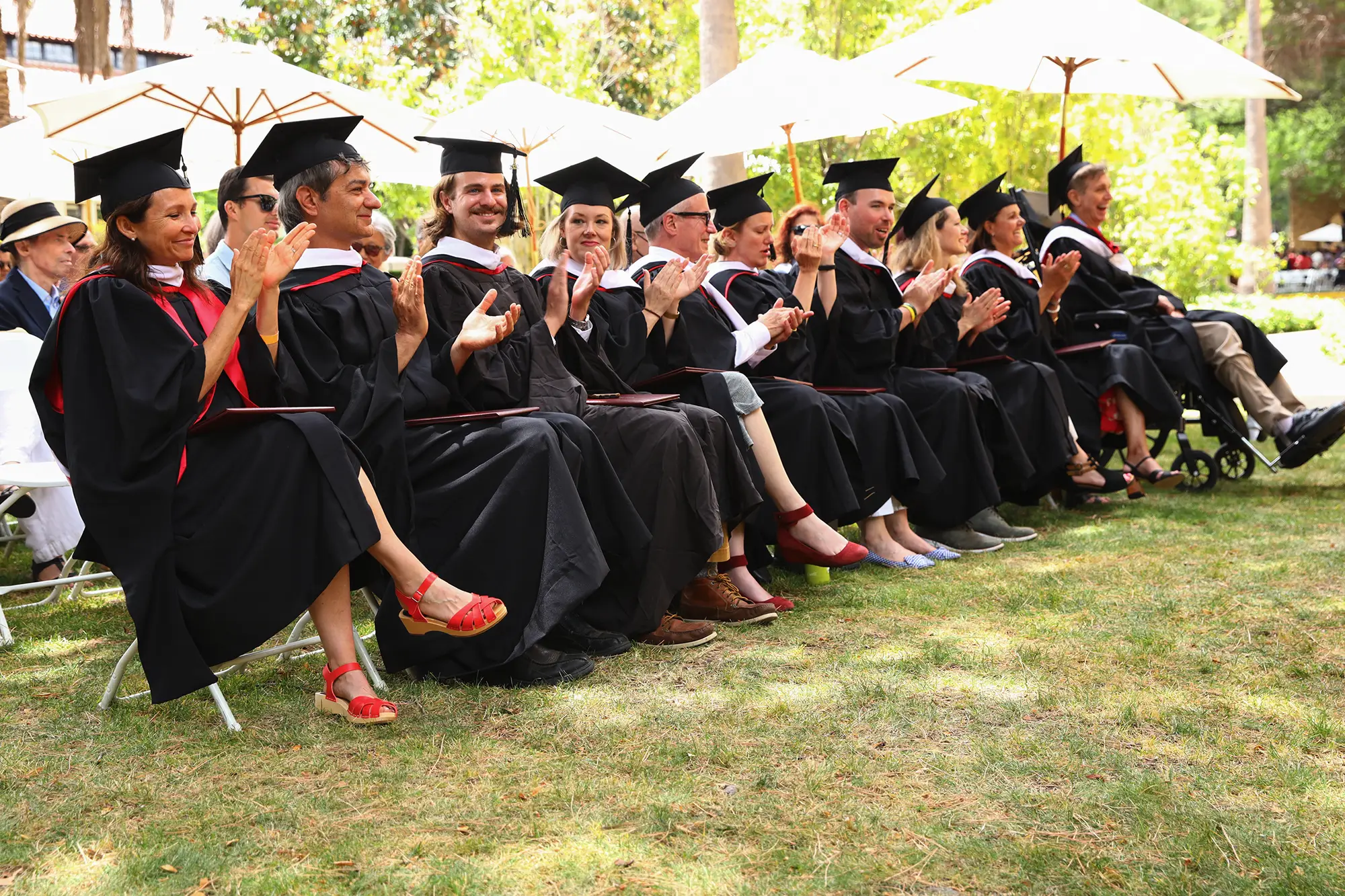
Continuing Studies is pleased to offer a variety of free public programs and special events every year, including lectures, readings, and webinars covering a broad range of subject areas from current affairs to the creative arts.

Learn more about upcoming events

Master of Liberal Arts
Stanford Master of Liberal Arts
Start your next chapter with a part-time, evening graduate degree in the liberal arts.

Stanford’s Master of Liberal Arts Program (MLA) offers an extraordinary opportunity to pursue an interdisciplinary course of study in the liberal arts and earn your master’s degree at one of the world’s great centers of learning. Designed with busy adults in mind, this part-time graduate degree program holds classes in the evenings and offers a flexible academic schedule.

S

tanford’s Master of Liberal Arts Program (MLA) offers an extraordinary opportunity to pursue an interdisciplinary course of study in the liberal arts and earn your master’s degree at one of the world’s great centers of learning. Designed with busy adults in mind, this part-time graduate degree program holds classes in the evenings and offers a flexible academic schedule.

In the MLA program, students form a close-knit cohort that takes courses taught by Stanford faculty. Areas of study include history of science, philosophy, literature, environmental studies, political science, history, and more. Students will hone their ability to write persuasively and creatively, develop compelling arguments, conduct original research, and integrate thinking from multiple disciplines. For many students, these are ends in themselves. For others, these skills serve them well in their professional lives.

MLA applications are accepted from September through January, with classes beginning in September of the following academic year. For more information on the program and admissions details, please visit: mla.stanford.edu.

Taking Stanford Continuing Studies courses can be excellent preparation for applying to the MLA program. Each quarter, the MLA program recommends courses that are similar in subject and format to seminars you would find in MLA study.
Stanford flag with leaves in front
© Robert Siegel
Whether you prefer the flexibility of online classes or the vibrant atmosphere of in-person sessions, we look forward to seeing you this Spring Quarter!

Registration opens February 24, 2025, and the quarter begins the week of March 31, 2025.