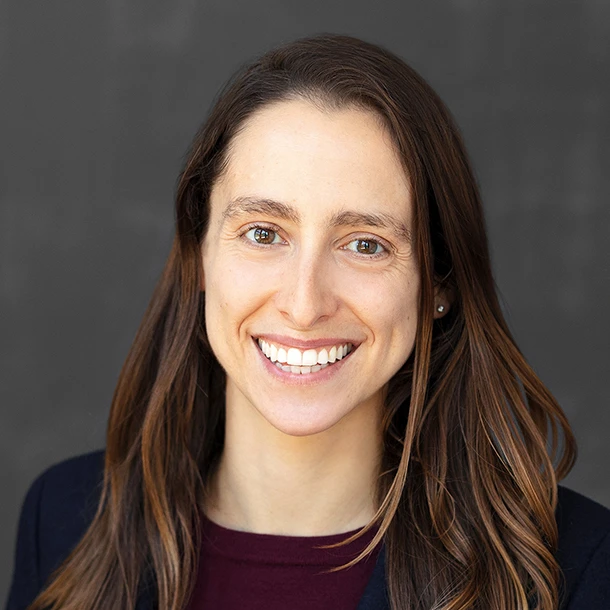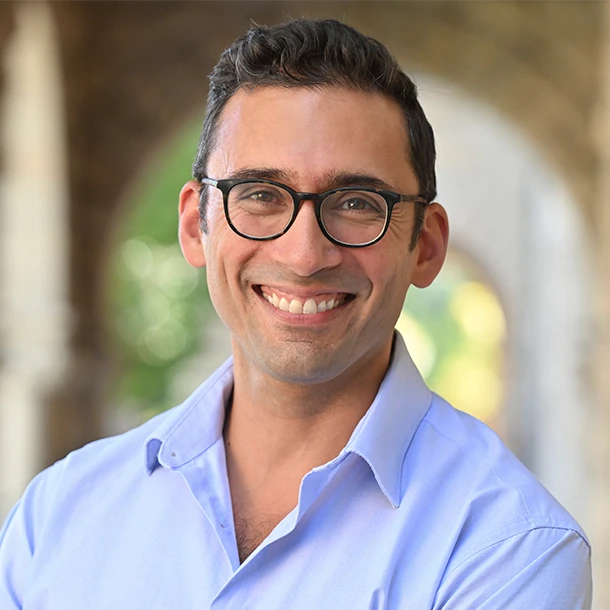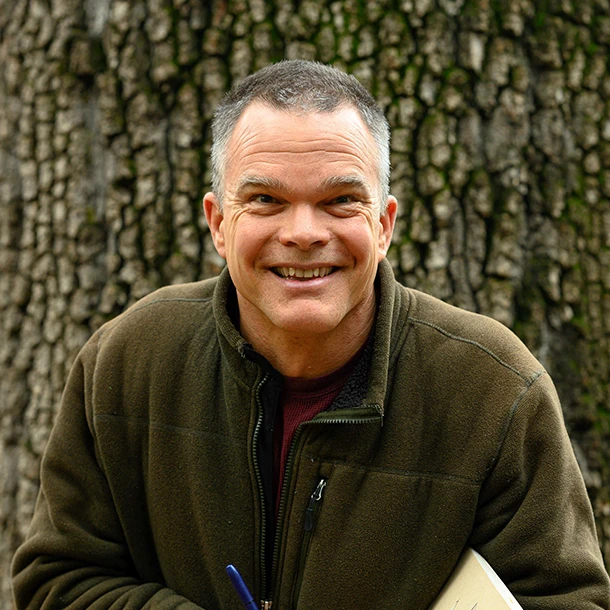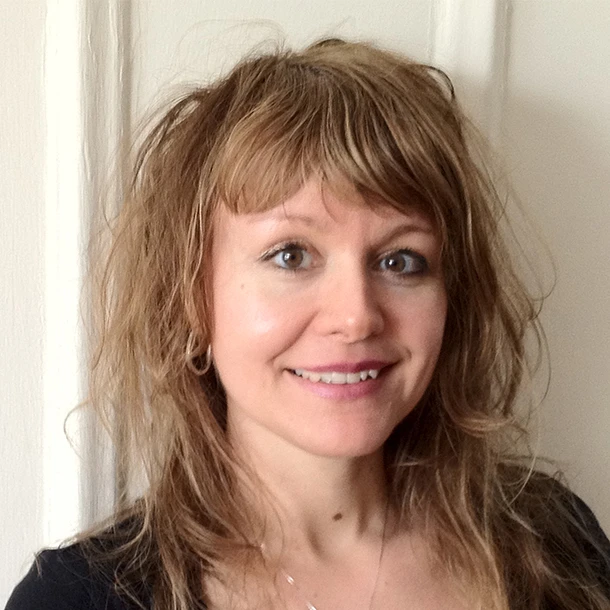

Stanford Continuing Studies Fall Courses 2026

Stanford Continuing Studies Logo
Fall 2026
Welcome Letter
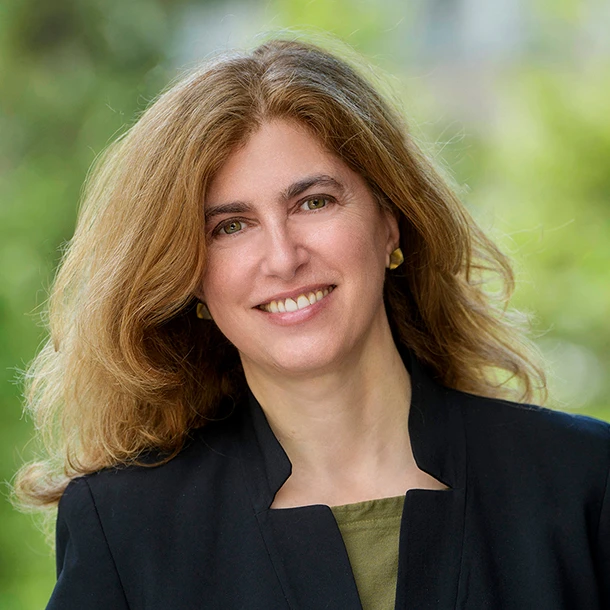
Jennifer Deitz headshot

Welcome Letter

Dear Friends,
A

s we prepare for Fall Quarter’s launch, I want to share a note of appreciation for our Continuing Studies instructors. They bring deep wells of knowledge, curiosity, and care to their teaching, creating courses that speak to adult learners who are eager to explore new ideas and engage in thoughtful conversation. Their expertise and singular perspectives are at the heart of what makes Continuing Studies such a rewarding place to learn, and what inspires our students to return, year after year.

I’d like to recognize, in particular, three instructors whose work has shaped our program in indelible ways. The first is Marsh McCall, our founding dean and Stanford Classics professor emeritus, who helped launch Continuing Studies nearly four decades ago. His courses—ranging from Homer to Sophocles and Aeschylus—have been mainstays of our curriculum. I remember in 2020, as we scrambled to transition our on-campus instructors to Zoom, how naturally Marsh embraced the change—bringing humor and charisma to online teaching, lifting his students’ spirits, and epitomizing what lifelong learning is all about. This fall, he will teach his 38th, and final, course with us: Euripidean Tragedy: Power, Passion, and Punishment. We are grateful for the legacy he has built as both a teacher and our founder.

This past year also brought the loss of longtime instructor Giovanni Tempesta, who taught more than 70 Italian language courses with us over 23 years. Giovanni brought rigor and warmth in equal measure. The last time he reached out to me, it was characteristically on behalf of his students: a cohort that had stayed together through his three-course sequence hoped to continue for a second year. We were glad to arrange it, and that close-knit group became the final class he taught with us. Giovanni passed away earlier this year and is deeply missed.

We are also grateful to continue learning alongside instructors like Patrick Hunt, who holds the record for most courses taught in our program—162 over 33 years. His work has taken him around the world, and he brings that experience back to the classroom in his teaching. This year, he is leading Cities of Intrigue, a three-quarter series that begins with London, Paris, Berlin, and Vienna. Patrick is also a staff favorite: after returning from his travels, he often stops by the office to share stories and chocolates.

All of us at Continuing Studies feel fortunate to work with instructors like these. I hope you enjoy the fall catalog, and I look forward to seeing you in class.

Warmly,

Jennifer Deitz signature

Jennifer Deitz
Director & Associate Dean
Table of Contents

Table of Contents

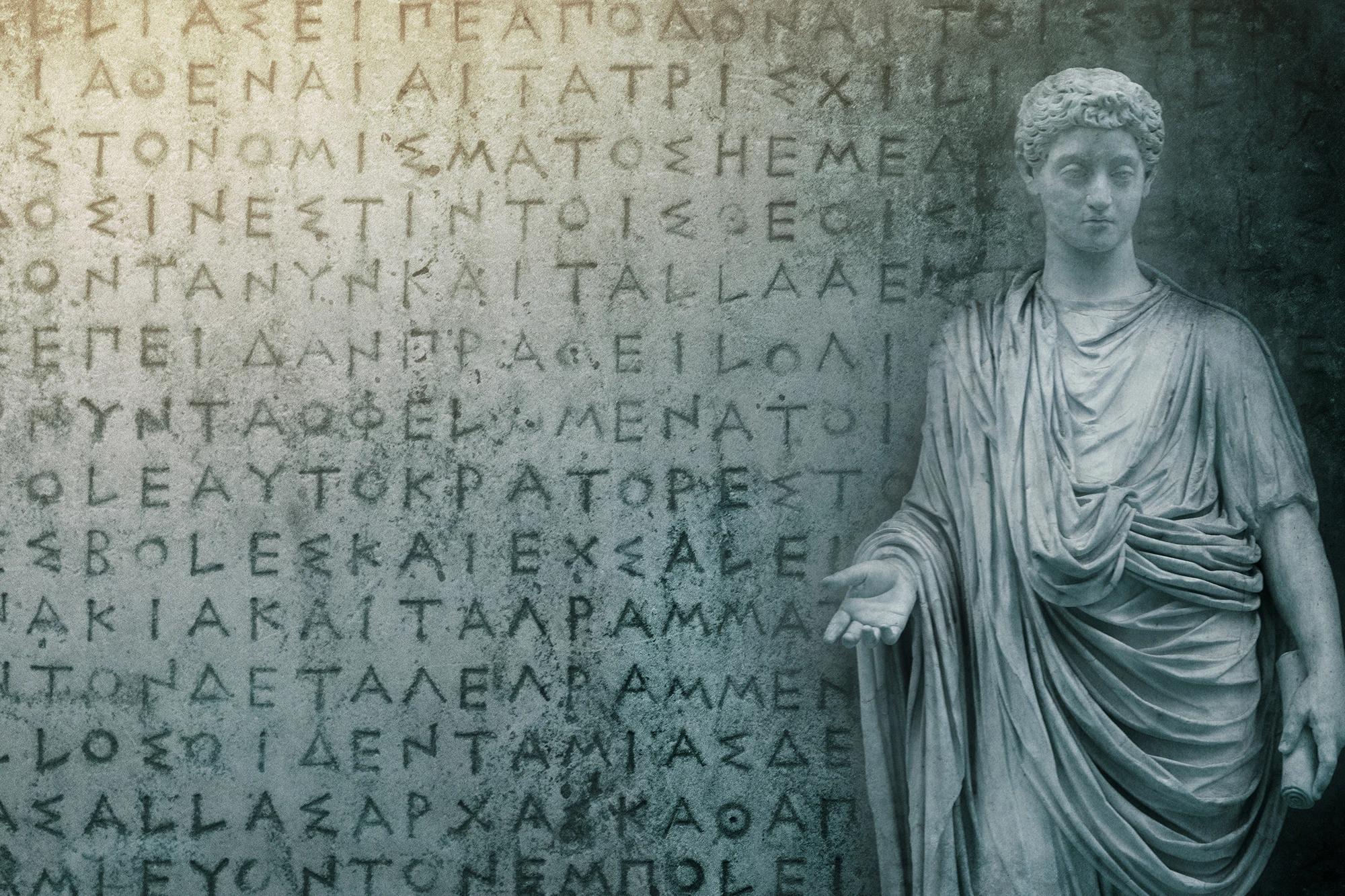
Classical robed statue standing before a wall inscribed with ancient Greek text.
Liberal Arts & Sciences

Immerse yourself in the liberal arts to awaken your creativity, enhance your critical thinking abilities, and gain a deeper understanding of our complex world.
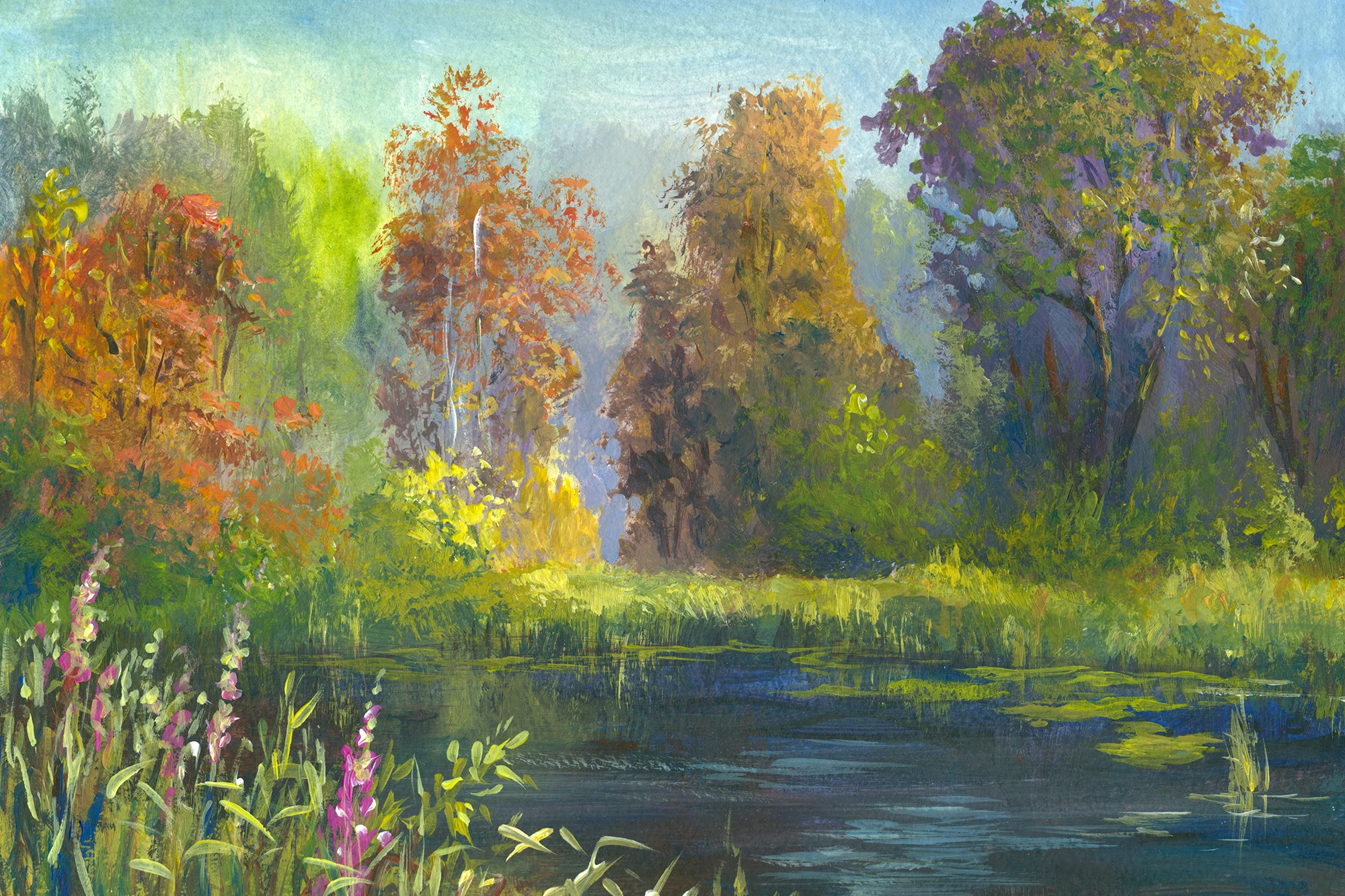
Colorful painted landscape of trees and wildflowers surrounding a reflective pond.
Art Studio

Reignite your capacity for creativity in an art studio course.
Glass jars filled with pickled cucumbers, carrots and shredded vegetables on a wooden table.
Food & Drink

Indulge your taste buds in a culinary journey through our Food & Drink courses.
Three smooth stones stacked beside curved lines raked into pale sand.
Wellness & Health

Prioritize your health and wellness with courses designed to help you build healthy habits and support your mental and emotional well-being.
Watercolor illustration of a vintage typewriter with white keys and a teal body.
Creative Writing

Whether you’re just beginning to write or putting the finishing touches on your first novel, our writing courses offer expert instruction from accomplished authors, individual attention, and supportive feedback.
Overlapping red, orange, green and blue speech-bubble outlines on a dark background.
Communication

Hone your communication skills and learn how to convey a clear, compelling, and consistent message.
Wooden person icons connected by branching lines to represent a professional network.
Business

Our business courses will equip you with the knowledge and skills you need to succeed in building your career, launching a startup, or growing a business.
Abstract digital tunnel formed by glowing blue and orange data points and rectangular grids.
Technology

Embark on a journey through artificial intelligence, master a new coding language, or dive into the world of data science.
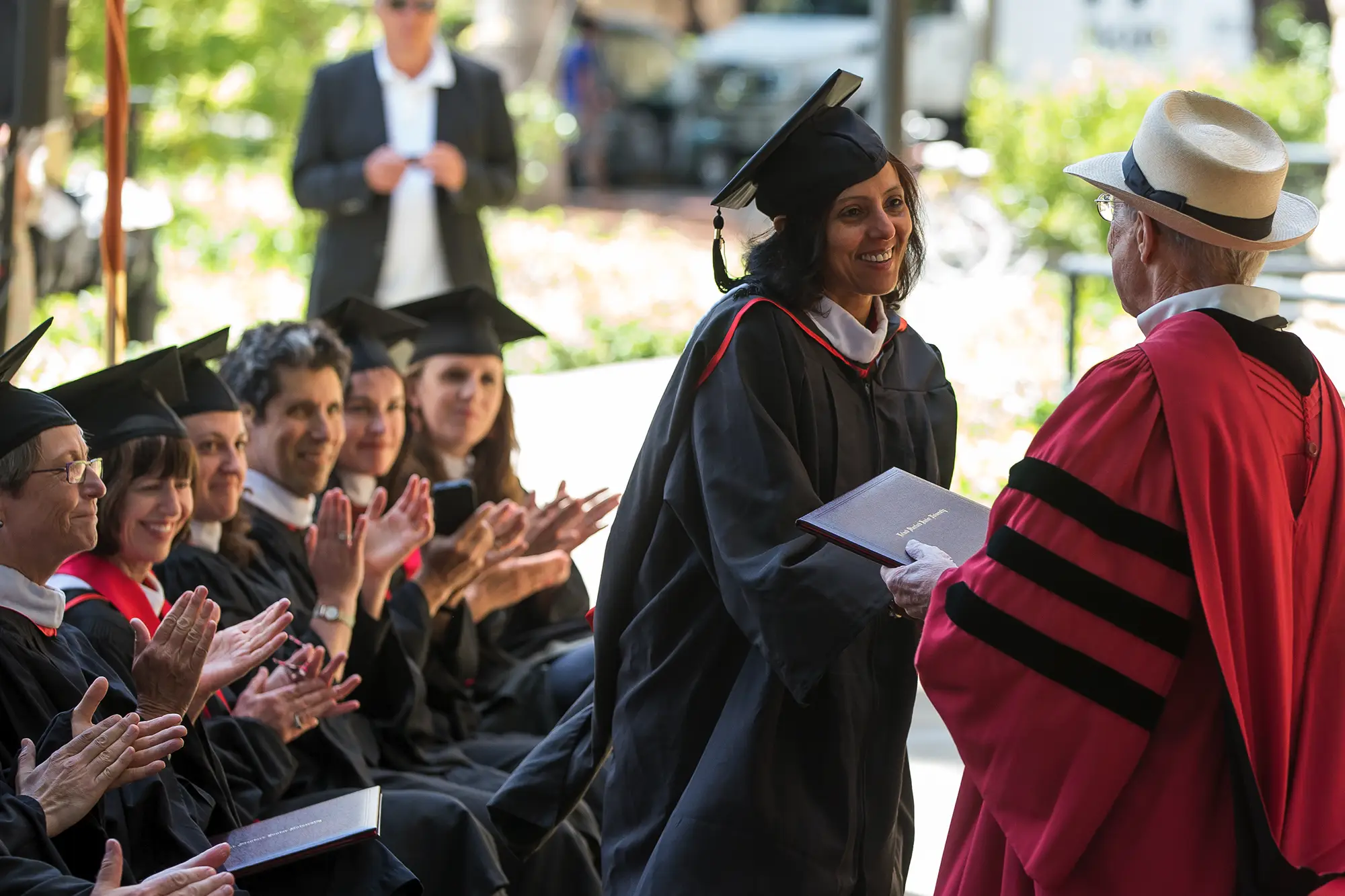
Stanford MLA Graduate shaking hands
Master of Liberal Arts

Start your next chapter with a part-time, evening graduate degree in the liberal arts.
Fall Spotlight

Fall Spotlight

Featured Courses
Featured Courses
Liberal Arts & Sciences

Liberal Arts & Sciences

Immerse yourself in the liberal arts to awaken your creativity, enhance your critical thinking abilities, and gain a deeper understanding of our complex world. From fine arts to film, language to literature, philosophy to history, explore a rich array of courses in the liberal arts and sciences.

Archaeology


Patrick Hunt
Former Director, Stanford Alpine Archaeology Project and Research Associate, Archeoethnobotany, Institute of EthnoMedicine

Persia has had one of the world’s longest, most glorious, and fascinating histories. We’ll examine millennia of rich textiles, precious gemstone seals, metalworking, and engineering marvels like desert qanat aqueducts. Every week, encounter treasures well-known to archaeologists and art historians but unfamiliar even to most well-educated Westerners, including the fabulous Oxus Treasure hoard discovered in the 19th century.

Architecture


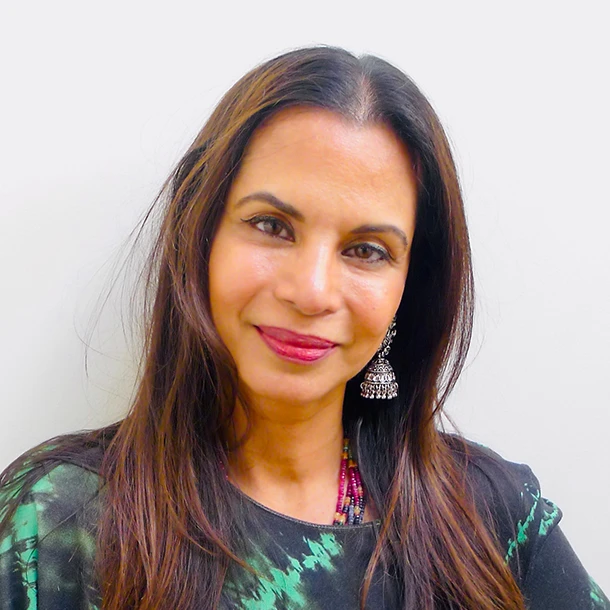
Sapna Marfatia
Campus Preservation Architect and Director, University Architecture/Campus Planning & Design, Stanford

Patrick Crowley
Associate Curator of European Art, Cantor Arts Center, Stanford

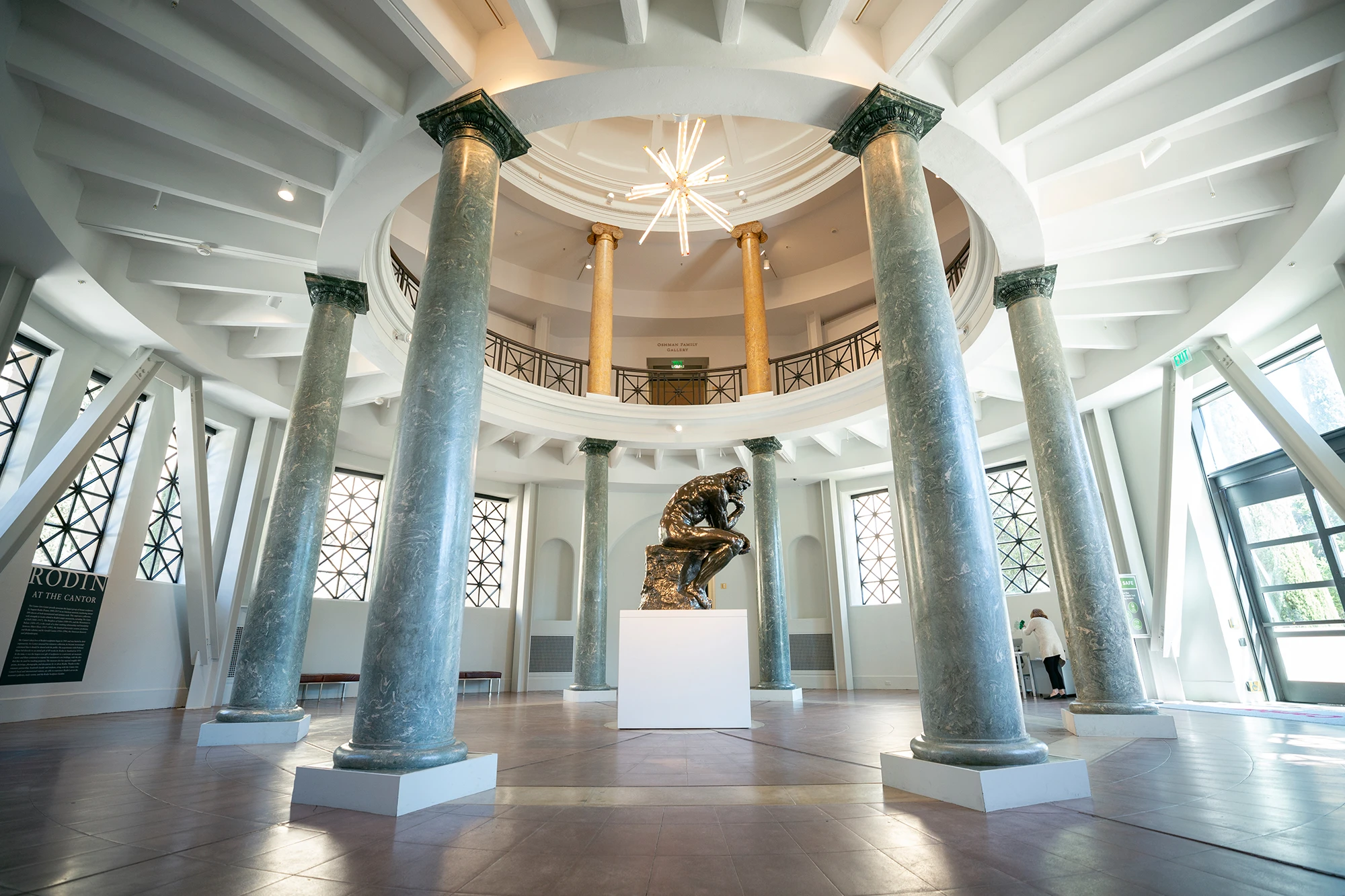
From earthquake recovery and seismic retrofits to world-class art collections, the Cantor Arts Center tells a remarkable story of reinvention. Trace the architectural evolution of Stanford’s historic museum while examining the vision of Jane Stanford, the Stanford family’s collecting legacy, and the celebrated Rodin sculptures that helped shape one of the university’s cultural treasures.

Art History


Bruce Elliott
Independent Scholar

Why have certain paintings captivated viewers for centuries? Look beyond the canvas to reveal the stories, symbols, and ideas embedded in masterpieces by Botticelli, Michelangelo, Rembrandt, Caravaggio, Monet, Rothko, and others. Gain a deeper understanding of how these works were experienced by the audiences who first encountered them.

Diane Zuliani
Art History Instructor, Chabot College

Artists do not choose their materials by accident. Through works created from wood, books, ice, fog, and other unexpected media, learn how material choices shape meaning and influence how we experience art. We’ll consider how artists use medium to address questions of memory, spirituality, environmental change, and the passage of time.

David Stork
Scientist and Author

Why does one painting sell for millions while another remains overlooked? Explore the fascinating economics of the global art market, where authenticity, prestige, scarcity, and perception shape value. From forgery and art crime to NFTs, AI-generated works, and blockbuster museums, discover how culture and commerce intersect in one of the world’s most unusual industries.

Classics


Marsh McCall
Professor of Classics, Emeritus, and Founder and Dean of Continuing Studies, Emeritus, Stanford

How did Euripides captivate Athenian audiences while relentlessly challenging their deepest beliefs? Examine provocative questions of justice, gender, divine power, and human responsibility in Medea, Hippolytus, and the Bacchae. More than two millennia later, these powerful dramas continue to spark debate and demonstrate the enduring ability of Greek tragedy to unsettle and inspire.

Christopher Krebs
Gesue and Helen Spogli Professor of Italian Studies, Professor of Classics and, by courtesy, of German Studies and of Comparative Literature, Stanford

Ancient Rome’s influence extends far beyond its fallen empire. Through its monuments, literature, political innovations, and engineering achievements, explore how Roman civilization helped shape many of the institutions and ideas that define Western culture today.

Cultural Studies


Patrick Hunt
Former Director, Stanford Alpine Archaeology Project and Research Associate, Archeoethnobotany, Institute of EthnoMedicine

Follow the rise of four remarkable capitals that helped shape modern Europe. From imperial ambitions and revolutionary upheavals to artistic innovation and intellectual transformation, London, Paris, Berlin, and Vienna reveal how cities became powerful engines of culture, politics, and global influence while leaving an enduring mark on the modern world.

Matthew Morrison
Attending Physician, Emergency Medicine and Lecturer, Vanderbilt

Yale surgeon and author Sherwin Nuland called medicine the “uncertain art,” a phrase that captures the tension between science, judgment, and human experience. Through memoir, fiction, philosophy, and case studies, explore how physicians and writers have grappled with ambiguity, doubt, and decision-making while revealing the profoundly human stories that lie behind diagnosis and treatment.

Miles Osgood
Communications Manager, Ho Center for Buddhist Studies, Stanford

Nearly 3,000 years after it was composed, Homer’s Odyssey continues to inspire some of modern literature’s most celebrated works. Reading the epic alongside writers such as James Joyce, Derek Walcott, Ralph Ellison, Margaret Atwood, and Louise Glück, explore how themes of exile, identity, memory, and return have been reimagined across the 20th century in strikingly different cultural and literary contexts.

Current Events


James Steyer
Adjunct Professor, Stanford Graduate School of Education, and Founder and CEO, Common Sense Media

As the 2026 midterm elections approach, democracy faces new challenges shaped by artificial intelligence, misinformation, global instability, and political polarization. Join leading voices from politics, journalism, academia, business, and civic life for timely conversations examining public trust, civic participation, technological change, and the future of democratic institutions at home and abroad.

Dance Studies


Ronnie Reddick
Lecturer, Department of Theater & Performance Studies, Stanford

Are you interested in dancing hip hop but have felt afraid to give it a go? Here’s a chance to learn one of the world’s most popular dance forms effortlessly and enjoyably with a renowned teacher and choreographer. Designed for beginners, discover hip hop’s vibrant expression of creativity, rhythm, and individuality in a fun and interactive setting.

Anton Pankevitch
Lecturer, Department of Theater & Performance Studies, Stanford

At its heart, ballet is the art of expressing music through movement. Designed for beginners, this welcoming introduction explores the foundations of classical ballet, including posture, balance, coordination, and musicality. Through barre exercises, center work, and simple combinations, discover the beauty, discipline, and joy that have made ballet one of the world’s most enduring dance traditions.

Economics


David Stork
Scientist and Author

Why does one painting sell for millions while another remains overlooked? Explore the fascinating economics of the global art market, where authenticity, prestige, scarcity, and perception shape value. From forgery and art crime to NFTs, AI-generated works, and blockbuster museums, discover how culture and commerce intersect in one of the world’s most unusual industries.

Education


Alice Siu
Associate Director of the Deliberative Democracy Lab and Senior Research Scholar at the Center on Democracy, Development and the Rule of Law at the Freeman Spogli Institute for International Studies, Stanford

How can educators help students engage thoughtfully across differences in an increasingly polarized world? Developed in partnership with Stanford’s Deliberative Democracy Lab, this course explores practical strategies for fostering civil discourse, civic engagement, and constructive dialogue while equipping teachers with tools to guide meaningful conversations on complex public issues.

Film Studies


Elliot Lavine
Film Historian and Filmmaker

Beneath the neon lights and sharp suits of postwar America lies a darker story. Through more than 20 landmark films by directors including Fritz Lang, Orson Welles, Samuel Fuller, and Stanley Kubrick, examine the crime, desire, and moral ambiguity that defined film noir’s most compelling years.

Mick LaSalle
Film Critic Emeritus, San Francisco Chronicle

Some film directors leave a signature as distinctive as an artist’s brushstroke. Through clips, scene analysis, and comparisons of multiple adaptations, examine how filmmakers use visual style, performance, pacing, and tone to create a unique cinematic voice. You’ll also discover what distinguishes competent direction from truly memorable cinematic artistry.

Adam Tobin
Senior Lecturer, Film and Media Studies, Stanford

Nicole Jordan-Webber
Producer and Creative Executive, Film and Television

When a film wins Best Picture, the Oscar goes to the producer. Why? Go behind the scenes of contemporary film and television production to discover how projects move from idea to screen. Drawing on current HBO and Apple TV productions, we’ll explore the creative, financial, and logistical decisions that shape movies and television—and the producers who bring them to life.

History


Kristen Edwards
Independent Scholar
Hero, tyrant, visionary, revolutionary—few figures have inspired more debate than Vladimir Lenin. Follow his journey from political exile to leader of the Bolshevik Revolution and examine the ideas, decisions, and power struggles that shaped the first communist state and left a lasting mark on the 20th century.

Sarah Wilker
Historian and Archaeologist
Beneath the ocean’s surface lie time capsules of trade, conflict, exploration, and human ambition. Journey through six remarkable shipwrecks—from ancient Mediterranean traders and Spanish treasure fleets to notorious pirate vessels—and uncover the stories, artifacts, and mysteries preserved beneath the sea.

Jonathan Lear
Independent Scholar
How did an isolated samurai society become one of the world’s most powerful modern nations in just a century? Trace Japan’s remarkable transformation from the fall of the Tokugawa shogunate through the Meiji reforms, imperial expansion, and World War II. Explore the political, social, and cultural forces that reshaped Japan and continue to influence its place in the world today.

International Studies


Arzan Tarapore
Research Scholar, Center for International Security and Cooperation (CISAC), Freeman Spogli Institute for International Studies, Stanford

As competition between the United States and China reshapes the global order, India has emerged as one of the most consequential players in Asia. Examine the strategic, economic, and political forces driving India’s rise, its evolving partnership with the United States, and the decisions that will shape the future of security, technology, trade, and power across the Indo-Pacific.

Marwan Hanania
Historian

Borders, revolutions, religion, and great-power rivalry have shaped the modern Middle East for more than a century. Examine the key events and movements that transformed the region and continue to influence global politics today.

Languages


Heather Howard
Advanced Lecturer in French, Stanford

Designed for students with little to no knowledge of French, this course focuses on acquiring basic communication skills using a creative, all-in-French conversational approach in a fun and relaxed class atmosphere.

Alessandra McCarty
Advanced Lecturer, Stanford Language Center

Learn how to speak Italian in this introductory course. Engage in simple Italian conversations covering everyday topics and develop practical skills to handle common transactions such as renting a car, making hotel and restaurant reservations, and ordering food.

Maria Cristina Urruela
Former Lecturer in Spanish, Stanford

It’s time to speak Spanish with confidence! This immersive course is your gateway to oral proficiency and comprehension, offering a vibrant exploration of the Spanish-speaking world and its rich cultures.

Maria Cristina Urruela
Former Lecturer in Spanish, Stanford

Move beyond everyday conversation and engage with the richness of the Spanish-speaking world through acclaimed short films, news articles, and literature. As your language skills become more confident and sophisticated, so too will your ability to discuss culture, current events, relationships, food, art, and ideas with fluency and nuance.

Linguistics


Barbara Clayton
Independent Scholar

Why does calligraphy mean “beautiful writing,” and what do calculus and kidney stones have in common? More than half of English vocabulary traces its roots to Latin and Greek. Explore the surprising histories and relationships hidden within everyday words while discovering how ancient languages continue to shape the way we think, communicate, and understand the world.

Literature


Carolyn Sinsky
Literary Scholar and Writer

What makes love feel so exhilarating—and so irrational? Pairing Romeo and Juliet with A Midsummer Night’s Dream, this course explores Shakespeare’s fascination with desire, illusion, chance, and youthful intensity. One play ends in tragedy, the other in comedy, yet together they reveal how Shakespeare transformed the emotional chaos of love into two of literature’s most enduring works.

Denise Gigante
Sadie Dernham Patek Professor in the Humanities and Professor of English, Stanford

What happens when poetry seeks to capture both the physical world and the mysteries beyond it? Explore how the English Romantic poets William Wordsworth, Samuel Taylor Coleridge, Lord Byron, John Keats, and Percy Bysshe Shelley blended the philosophical and the emotional, the real and the transcendent in brilliant verse experiments. Through classic ballads, odes, and fragments of an autobiographical epic, we’ll see how voice and identity emerged from the powerful fusion of creation and perception.

Media Studies


Adam Tobin
Senior Lecturer, Film and Media Studies, Stanford

Nicole Jordan-Webber
Producer and Creative Executive, Film and Television

When a film wins Best Picture, the Oscar goes to the producer. Why? Go behind the scenes of contemporary film and television production to discover how projects move from idea to screen. Drawing on current HBO and Apple TV productions, we’ll explore the creative, financial, and logistical decisions that shape movies and television—and the producers who bring them to life.

Medicine


Lucia Aronica
Lecturer, Stanford Genetics and Genomics Certificate Program

Explore the science of epigenetics and discover how lifestyle choices can shape gene activity without altering the underlying DNA sequence. Learn how food and nutrients can impact gene expression and create your own personalized nutrition plan to improve gene expression and optimize health.

Rafael Pelayo
Clinical Professor, Department of Psychiatry and Behavioral Sciences, Division of Sleep Medicine, Stanford Medicine

Inspired by the original “Sleep and Dreams” course at Stanford, we’ll cover topics such as sleep stages, circadian rhythms, factors influencing sleep, and the physiological and neurological processes behind sleep. Delve into the nature of dreams and common sleep disorders. You’ll learn about the importance of sleep for a healthy life and how to make informed decisions about your sleep habits.

Clyde Wilson
Research Associate, Biochemistry, UC San Francisco

Maximize the potential of your exercise regimen with the powerful combination of nutrition and fitness. This comprehensive course explores the impact of nutrition on exercise benefits, including weight loss, immune strength, and overall fitness, and you’ll create your own sports nutrition program.

Bruce Fogel
Adjunct Professor, Division of Clinical Anatomy, Department of Surgery, Stanford Medicine

Beth Habelow
Lecturer, Division of Clinical Anatomy, Stanford Medicine

Step inside the world of Stanford Medicine and explore the anatomy of the forearm, wrist, and hand through the same specimens and technologies used to train future physicians. Combining anatomical study, digital visualization tools, and live demonstrations of surgical procedures, this immersive experience offers a fascinating look at the structures that enable movement, dexterity, and everyday function.

Matthew Morrison
Attending Physician, Emergency Medicine and Lecturer, Vanderbilt

Yale surgeon and author Sherwin Nuland called medicine the “uncertain art,” a phrase that captures the tension between science, judgment, and human experience. Through memoir, fiction, philosophy, and case studies, explore how physicians and writers have grappled with ambiguity, doubt, and decision-making while revealing the profoundly human stories that lie behind diagnosis and treatment.

Anthony Boutelle
Cancer Biologist

Our health depends on forces too small to see. A single change in our genetic code or a virus thousands of times thinner than a human hair can mean the difference between health and sickness. Explore four categories of human disease—inherited conditions, infectious disease, cancer, and neurodegenerative disorders—and the groundbreaking research that’s being developed to combat them.

Music Studies


David Gans
Producer and Host, The Grateful Dead Hour

While Jerry Garcia often stood in the spotlight, Bob Weir was instrumental in shaping the Grateful Dead’s distinctive sound and enduring legacy. Follow his evolution from teenage guitarist to pioneering performer through the songs, collaborations, and creative risks that fueled six decades of musical innovation.

Timothy Hampton
Aldo Scaglione and Marie M. Burns Distinguished Professor of Comparative Literature and French, UC Berkeley

Paul Simon’s music has long crossed borders, blending American songwriting with sounds and traditions from around the world. From “The Sound of Silence” to Graceland, examine the collaborations, influences, and creative decisions that helped shape one of the most distinctive voices in modern popular music.

Music Studio


Lisa Sanchez
Instructor, Gryphon Stringed Instruments

Always wanted to play guitar? Learn the fundamentals through classic songs by The Rolling Stones, Van Morrison, and other popular artists. Combining chords, melodies, music reading, and practical techniques, this beginner-friendly course makes guitar approachable while building the confidence and skills needed to play both independently and with others.

Philosophy


Frederick Dolan
Professor of Rhetoric, Emeritus, UC Berkeley

What gives life meaning? Philosophers have wrestled with that question for centuries, offering answers rooted in faith, freedom, creativity, mortality, nature, and civic life. Through thinkers including Kierkegaard, Nietzsche, Heidegger, Arendt, Sartre, Camus, Emerson, and Susan Wolf, examine some of philosophy’s most enduring and thought-provoking responses to this fundamental human question.

Psychology


Marwa Azab
Lecturer in Psychology, CSU Long Beach

What if we could manage our emotions more effectively? Gain a foundational understanding of the neuroscience of emotions and regulation, exploring how emotions are constructed in the brain and how they influence thoughts, decisions, and relationships. This awareness can have far-reaching implications for fostering mental health, positive relationships, and quality of life.

William Damon
Professor of Education, Emeritus, Stanford and Senior Fellow at the Hoover Institution

What transforms talent into extraordinary achievement? Drawing on developmental psychology, history, and biography, examine how creativity develops through purpose, practice, mentorship, and perseverance. From Marie Curie and Alan Turing to Emily Dickinson and Steve Jobs, consider the forces that shape transformative lives and enduring contributions.

Religious Studies


Tiffany Steinwert
Dean for Religious & Spiritual Life, Stanford

Spiritual wellness invites us to slow down, reflect, and reconnect with what matters most. Through wisdom traditions, contemplative practices, sacred texts, and contemporary research, we’ll consider pathways to greater resilience, self-understanding, and inner calm.

Science

Rafael Pelayo
Clinical Professor, Department of Psychiatry and Behavioral Sciences, Division of Sleep Medicine, Stanford Medicine

Inspired by the original “Sleep and Dreams” course at Stanford, we’ll cover topics such as sleep stages, circadian rhythms, factors influencing sleep, and the physiological and neurological processes behind sleep. Delve into the nature of dreams and common sleep disorders. You’ll learn about the importance of sleep for a healthy life and how to make informed decisions about your sleep habits.

Anthony Boutelle
Cancer Biologist

Our health depends on forces too small to see. A single change in our genetic code or a virus thousands of times thinner than a human hair can mean the difference between health and sickness. Explore four categories of human disease—inherited conditions, infectious disease, cancer, and neurodegenerative disorders—and the groundbreaking research that’s being developed to combat them.

Sports


Tara VanDerveer
Former Head Women’s Basketball Coach, Stanford

What separates a casual fan from someone who truly sees the game? Legendary Stanford coach Tara VanDerveer takes viewers inside the strategic world of basketball, revealing the decisions, adjustments, and tactical battles hidden within every possession. Through video analysis, coaching insights, and real game situations, learn to recognize the subtle moments that shape outcomes at every level of the sport.

Glenn Brassington
Professor of Psychology, Sonoma State

Talent alone rarely determines success. Learn how elite athletes, performers, and business leaders use mental skills training to strengthen focus, confidence, resilience, and emotional balance. Gain practical strategies for performing at your best when the stakes are highest—at work, in competition, or in everyday life.

Stanford Distinguished Faculty Lecture Series


Dan Edelstein
William H. Bonsall Professor of French and Professor by courtesy of History and of Political Science, Stanford

Jessica Riskin
Frances and Charles Field Professor of History, Stanford

Brandice Canes-Wrone
Professor of Political Science and Senior Fellow at the Hoover Institution, Stanford

Michele Elam
William Robertson Coe Professor in the Humanities and Senior Fellow at the Stanford Institute for Human-Centered Artificial Intelligence, Stanford

Join us for a new season of the Stanford Distinguished Faculty Lecture Series featuring fresh insights into humanity, history, politics, and the human experience. Dan Edelstein examines the history of revolution. Jessica Riskin explores the question of “life,” the origins of evolutionary thought, and debates in biology that shape our understanding of science. Brandice Canes-Wrone offers a historically grounded analysis of the 2026 midterm elections. And Michele Elam analyzes AI as it reshapes contemporary life. A Q&A will follow each 45-minute session.

Art Studio

Art Studio

Reignite your capacity for creativity in an art studio course. From drawing and photography to creating your own podcast or video, our courses will help you develop your skills and find inspiration that will truly elevate your creative expression.

Audio, Video & Film


Ryan Campos
Audio Specialist and Sound Artist

Learn how to create your own successful podcast! We’ll cover topics like podcast structure, content formats, equipment options for different budgets, hosting platforms, and maximizing exposure and profitability. Gain hands-on experience in recording and editing techniques and come away from the course with a trailer, a five-minute pilot episode, and an outline for a complete podcast series.

Drawing, Painting & Other Media


John Peck
Instructor, Triton Museum of Art

Whether you’re a beginner or an experienced artist, this course will equip you with the techniques to create realistic portraits and serve as a valuable foundation for future painting endeavors. Using a small mirror, we will distinguish between our imagination and what our eyes actually see. This approach will lead to an entirely objective way of seeing and drawing realistic portraits.

Katie Hawkinson
Artist

Painting requires understanding how to work with the medium and knowing what to paint. Whether the approach is realism or abstraction, these two aspects are best learned in tandem. You’ll paint from still lives, interior spaces, and the landscape, learning how to make strong and compelling compositions, mix colors, work with light and shadow, and create texture.

Erin Hunter
Fine Artist and Science Illustrator

Explore the art and science of botanical drawing with guidance from a professional science illustrator. This course combines the study of botanical anatomy with hands-on techniques, including sketching, watercolor, and colored pencil. Through flower dissection and observation, you’ll create a detailed botanical study while learning to capture the beauty of both cultivated and wild blooms.

Erin Gleeson
Photographer and Cookbook Author

This hands-on course introduces beginners to the art of watercolor painting through the vibrant colors and forms of seasonal fruits, vegetables, and edible flowers. Students will learn foundational techniques—like wet-on-wet blending, color mixing, layering, and texture building—and apply them to create expressive, nature-inspired compositions rooted in the beauty of seasonal produce.

Andrew Catanese
Artist & Lecturer, Stanford Department of Art & Art History

Discover the sketchbook as a space for creativity, experimentation, and reflection. Drawing inspiration from artists such as Frida Kahlo, Georgia O’Keeffe, and Pablo Picasso, we’ll explore techniques that combine drawing, writing, watercolor, and collected images to sharpen observation, spark new ideas, and turn everyday experiences into artistic inspiration.

Wendy Liu
Lecturer in Art Practice, Stanford

Learn to see the world with an artist’s eye. Through neighborhood scenes, city streets, and outdoor landscapes, explore the fundamentals of observational drawing while developing skills in perspective, composition, light, and shadow. Inspired by masters such as Dürer, Escher, and Leonardo, discover how careful observation can transform everyday surroundings into compelling works of art.

John Muir Laws
Naturalist, Artist, and Educator

Whether you spot them in your backyard or on a wilderness trail, birds offer endless opportunities for observation and artistic inspiration. Guided by renowned naturalist John Muir Laws, learn drawing and painting techniques that reveal the beauty and complexity of birds while deepening your understanding of their anatomy, behavior, and habitat.

Ann Miller
Fine Artist, Calligrapher, and Designer

Develop a deep understanding of the art of calligraphy as you master formal scripts and explore the expressive nature of letterforms. From the fundamentals of stroke techniques and page layout to contemporary freehand writing, you’ll build confidence in your ability to write diverse scripts.

Lauren Toomer
Lecturer, Department of Surgery, Division of Clinical Anatomy, Stanford

Based on the Art and Anatomy courses for Stanford medical students, this course is a unique opportunity to explore the human hand with the eye of an artist. Plastic models, dry bones, cadaveric specimens, and digital images will be our models as we explore traditional and contemporary drawing techniques for representing the internal and external structure of hands.

Michael Azgour
Artist, Educator, Curator

Spend more time creating and less time analyzing in this five-week intensive designed to help you incorporate a creative art practice into your daily life. Explore mixed media in unconventional ways, focusing on the creative process rather than mastering a particular medium. Daily prompts will guide you through artistic exercises using materials like graphite, ink, acrylic paint, photography, and collage.

Photography


Joel Simon
Documentary and Fine Art Photographer

Unlock the creative potential of your digital camera with this introductory course that covers both the artistic and technical aspects of photography. Learn the fundamentals of storytelling, composition, and light, while gaining a deep understanding of your camera’s features and their creative applications.

Joel Simon
Documentary and Fine Art Photographer

John Lambert
Photographer

Access to imagery has never been easier than in our digital age. Our phones and cameras are capable of producing hundreds, thousands, maybe millions of photos, but to what end and to what beginning? This course is designed for photography enthusiasts who want to build a creative practice of making photos every day.

John Todd
Landscape, Commercial, and Sports Photographer

Discover the artistry of sports photography as you learn to capture not only the action of the game but also its emotion and drama. Explore the principles of timing, camera settings, lighting, and software necessary to create compelling sports images. Outdoor class photography opportunities will include Stanford Athletics events and surfing at Steamer Lane in Santa Cruz.

Yoni Mayeri
Photographer, Artist, and Educator

Learn to turn your everyday iPhone photos into stunning pictures. Explore the built-in Photos app for editing and enhancing images, optimize the features of the native camera, and discover third-party editing applications and accessories to enhance your images.

Food & Drink

Food & Drink

Indulge your taste buds in a culinary journey through our Food & Drink courses. From wine and coffee to chocolate and cheese, our courses are designed to broaden your knowledge and feed your curiosity.

Food & Drink Courses

Trevor Ring
Founder, Community Cultures

Preserve the vibrant tastes of summer by creating fermented foods and drinks like kombucha, kimchi, and hot sauces. This course combines practical, hands-on learning with insights into fermentation’s global cultural significance, ensuring that you can safely and skillfully extend the life of seasonal produce, enhance flavors, reduce food waste, and bring greater depth and tradition to your culinary practice.

Wellness & Health

Wellness & Health

Prioritize your health and wellness with courses designed to help you build healthy habits and support your mental and emotional well-being. Explore courses taught by psychologists, physicians, health advisors, and other experts in their field.

Emotional & Mental Health


Tony Shen
Connections Coach

Friendship is one of life’s greatest sources of happiness, yet meaningful connection rarely happens by accident. Drawing on psychology, social science, and practical exercises, discover the habits and skills that help relationships flourish. Learn how vulnerability, reciprocity, and authentic conversation strengthen social bonds while developing your own approach to creating deeper, more lasting friendships.

Glenn Brassington
Professor of Psychology, Sonoma State

Talent alone rarely determines success. Learn how elite athletes, performers, and business leaders use mental skills training to strengthen focus, confidence, resilience, and emotional balance. Gain practical strategies for performing at your best when the stakes are highest—at work, in competition, or in everyday life.

Life Design


John Armstrong
Founder and Principal, Leadership Labs

What if life’s biggest decisions were approached the way designers tackle complex challenges? Inspired by Stanford’s influential “Designing Your Life” framework, this course applies design thinking to questions of purpose, work, and personal fulfillment. Through reflection, experimentation, and creative problem-solving, explore new possibilities and develop practical tools for navigating life’s transitions with greater confidence and intention.

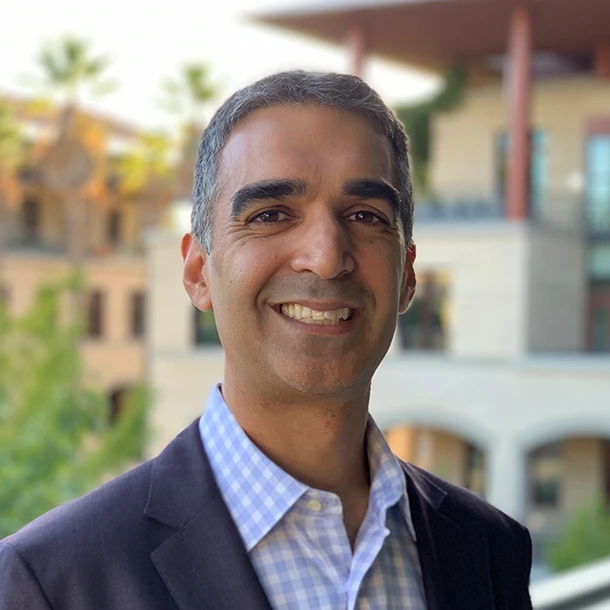
Raj Bhargava
Educator and Entrepreneur

What would it take to design a more fulfilling life? This course helps you identify the areas that matter most and create a focused plan for transformation. Drawing on behavioral science research about meaning, mindsets, vulnerability, and habits, we’ll apply design thinking, engage in reflection, and collaborate with classmates to spark creativity. AI tools will serve as brainstorming collaborators.

Mindfulness


Tiffany Steinwert
Dean for Religious & Spiritual Life, Stanford

Spiritual wellness invites us to slow down, reflect, and reconnect with what matters most. Through wisdom traditions, contemplative practices, sacred texts, and contemporary research, we’ll consider pathways to greater resilience, self-understanding, and inner calm.

Sarah Meyer Tapia
Head of the Stress Management Pillar, Stanford Lifestyle Medicine

Meditation is often praised for reducing stress and improving focus, yet finding a practice that feels natural and sustainable can be surprisingly challenging. Examine a variety of meditation approaches through the lenses of neuroscience, contemplative traditions, and guided reflection while developing greater awareness of attention, stress, and well-being. Design a personalized practice to fit your life, temperament, and goals.

Nutrition


Lucia Aronica
Lecturer, Stanford Genetics and Genomics Certificate Program

Explore the science of epigenetics and discover how lifestyle choices can shape gene activity without altering the underlying DNA sequence. Learn how food and nutrients can impact gene expression and create your own personalized nutrition plan to improve gene expression and optimize health.

Clyde Wilson
Research Associate, Biochemistry, UC San Francisco

Maximize the potential of your exercise regimen with the powerful combination of nutrition and fitness. This comprehensive course explores the impact of nutrition on exercise benefits, including weight loss, immune strength, and overall fitness, and you’ll create your own sports nutrition program.

Physical Health & Well-Being


Rafael Pelayo
Clinical Professor, Department of Psychiatry and Behavioral Sciences, Division of Sleep Medicine, Stanford Medicine

Inspired by the original “Sleep and Dreams” course at Stanford, we’ll cover topics such as sleep stages, circadian rhythms, factors influencing sleep, and the physiological and neurological processes behind sleep. Delve into the nature of dreams and common sleep disorders. You’ll learn about the importance of sleep for a healthy life and how to make informed decisions about your sleep habits.

Creative Writing

Creative Writing

Whether you’re just beginning to write or putting the finishing touches on your first novel, our writing courses offer expert instruction from accomplished authors, individual attention, and supportive feedback. Choose from courses in fiction, poetry, memoir, creative nonfiction, the short story, and more.

Genre


Nova Ren Suma
Author

Fantasy, horror, and dystopian fiction do more than transport us elsewhere—they offer new ways to confront the anxieties, possibilities, and mysteries of contemporary life. Through exercises in world-building, atmosphere, and the suspension of disbelief, you’ll shape a speculative novel opening and explore what happens when imagination becomes a tool for deeper truth.

Jarrod Shusterman
Author

Sofia Lapuente
Author

What keeps readers turning pages long after midnight? Suspense, dread, uncertainty—and the careful craft behind them. Drawing on works such as The Girl on the Train and Clown in a Cornfield, we’ll examine how writers build tension, manipulate expectations, and create stories whose twists and fears linger long after the final chapter.

Jeanne De Vita
Editor and Literary Agent

A memorable romance needs more than chemistry. Beneath every satisfying love story lies a careful balance of conflict, stakes, longing, and emotional payoff. Join a community of romance writers to explore the craft, conventions, and evolving publishing landscape of a genre built on connection, tension, and happily-ever-afters.

Memoir & Creative Nonfiction


Yohanca Delgado
Author

Every memorable personal essay begins with an act of noticing. Discover how careful observation can transform lived experience into art. Through close reading and writing workshops, explore how to use persona, pacing, scene, and voice to shape a meaningful narrative.

Rachel Howard
Author

Painters have long learned by studying and copying the masters. What happens when essayists do the same? Experiment with structure, voice, and style as you write “imitation” essays inspired by writers such as Grace Paley, Ann Daum, and James Baldwin. Discover how influence can become a pathway to a unique voice and authentic creative practice.

John Evans
Critical-Creative Studies Initiative Lecturer, Department of English, Stanford

Join a supportive writing community dedicated to memoir and personal essays. With weekly meetings, consistent peer feedback, and one detailed instructor critique, you’ll deepen your craft, build momentum, and make writing a more central part of your life—whether you’re shaping a book-length project or exploring stand-alone pieces.

Narrative Craft


Evgeniya Dame
Author

Some fictional characters linger in our minds for years, long after the plot has faded. Explore what gives a character that lasting power through observation, research, and close reading. Build a cast of vivid, layered personalities, then discover how compelling stories emerge naturally from their desires, contradictions, and choices.

Daniel Schifrin
Founder, StoryForward

Dialogue is one of the trickiest elements to master in creative writing. Explore how masters across genres use dialogue to convey information, character, and drama with remarkable concision and texture. Dive into the art of eavesdropping, comparing real speech with published work to uncover the magic of authentic, distinctive, and lively dialogue. Learn how to write your own compelling dialogue that brings characters to life.

Robert Hoekman Jr.
Author

At the core of every unforgettable piece of writing lies its driving force: the sentence. This course explores the art of crafting sentences that truly resonate, focusing on techniques for dynamic composition, structure, and syntax. Through hands-on exercises in rhythm, precision, and style, you’ll learn how to turn ordinary sentences into powerful, captivating ones—emphasizing the impact of verbs, sound, and unexpected twists.

Ammi Keller
Novel Writing Certificate Instructor, Stanford Continuing Studies

Writers often learn to “show not tell,” without realizing they need additional techniques to convey a complete story. Learn to create compelling narrative summaries that compress time and convey key information in this immersive one-day course. Expect to recognize and write six modes of narration: exposition, backstory, scene fragment, scene sequence, scene summary, and reported speech.

Novel


Brittany Ackerman
Author

Starting a novel is one challenge; sustaining it is another. As characters evolve and storylines multiply, questions of structure, pacing, and momentum come to the forefront. Explore the craft of long-form fiction and discover how successful novels transform promising beginnings into compelling, fully realized narratives.

Ammi Keller
Novel Writing Certificate Instructor, Stanford Continuing Studies

Take your novel to the finish line with a committed mentor and a dedicated community of peers. We’ll write together, workshop chapters in progress, and support one another through the drafting process. This course provides fiction writers with structure, accountability, and practical feedback to keep their manuscripts moving forward.

Malena Watrous
Writing Certificate Lead and Creative Writing Coordinator, Stanford Continuing Studies

Every writer needs a community of thoughtful readers. Part workshop, part book club, and part creative laboratory, Fiction Club brings short story writers and novelists together to exchange pages, discuss craft, and explore what makes fiction come alive. Read deeply, write boldly, and discover new possibilities for your work.

Poetry


Esther Lin
Author and Poet

Poetry invites us to bypass the superficial and dive straight into the heart—our own and our readers’. Explore how poetry can help us approach subjects that feel extraordinary, intimate, or difficult. We will read and write poems that are emotionally honest, study the fundamentals of craft, and discuss challenges like how to inhabit an unlikeable speaker or ethical questions that arise when writing about trauma.

Hua Xi
Writer

Some of poetry’s most powerful moments arrive in the simplest words. Consider how everyday language can convey extraordinary emotional depth as we examine poems by writers such as Mary Oliver, Nikki Giovanni, and Jericho Brown. Explore the expressive possibilities of plain speech in your own voice through playful, generative activities and writing exercises.

Prompt-Driven Writing


Christine Sneed
Author

What happens when you stop worrying about whether your writing is good and simply follow where your imagination leads? Through a steady stream of prompts and eclectic readings, you’ll learn to embrace playfulness and creative risk-taking as unexpected images, voices, and stories emerge on the page.

Daniel White
Author

What if the cure for writer’s block is a ghost story, a cryptid, or a hand-drawn monster? Embrace the uncanny through playful prompts, experimental texts, and imaginative exercises inspired by folklore, the supernatural, and the strange. Designed to rekindle creative momentum, this course celebrates curiosity, invention, and the joy of following unexpected ideas.

Samina Ali
Author

Yes, you can write a novel in just one month! With daily prompts, weekly craft lessons, and live online sessions, this course will guide and inspire you as you fast-draft your way through National Novel Writing Month (NaNoWriMo). Embrace the generative and supportive environment, connect with fellow writers, and celebrate your achievement as you set your sights on completing your first draft.

Liza Monroy
Author

Malena Watrous
Writing Certificate Lead and Creative Writing Coordinator, Stanford Continuing Studies

Memory and imagination are closer companions than they first appear. Drawing on inspiration from writers such as Jo Ann Beard, Justin Torres, and Aimee Bender, this two-day workshop explores the space between lived experience and invention through focused writing sessions, creative experiments, and conversation. You’ll leave with new pages, unexpected discoveries, and fresh momentum for your work.

Publishing


Tiffany Hawk
Author and Publishing Consultant

Overcome procrastination, perfectionism, and self-doubts to develop a book that only you can write. Over one immersive weekend, you’ll hone your idea, develop a unique and marketable hook, outline your structure, and brainstorm effective ways to build your platform. Come away with a stronger sense of the book you’re writing, how to finish it, and how to bring it into the world.

Reading Like a Writer


Robert Siegel
Author and Writing Coach

One of the best ways to strengthen your fiction is by reading short stories with a writer’s eye. In this course, we’ll analyze five diverse works by masters such as Sarah Shun-lien Bynum, Zadie Smith, and Yiyun Li. Each story, unique in subject and style, reveals key lessons in scene, exposition, subtext, conflict, resolution, and narrative change. You’ll uncover how these elements work on the page and apply them in short writing exercises.

Short Story


Thomas McNeely
Author

Unleash your storytelling potential by diving into the artistic process of transforming raw experiences into polished works of fiction. Through weekly submissions and expert guidance, you’ll master the craft of manipulating point of view, setting, tension, and more.

Stephanie Reents
Author

Flash fiction thrives on compression, precision, and surprise. In just a few hundred words, a story can introduce a world, reveal a character, and leave a lasting echo. Through contemporary examples and weekly writing experiments, explore the possibilities of brevity while crafting stories that linger far beyond their final lines.

Communication

Communication

Hone your communication skills and learn how to convey a clear, compelling, and consistent message. Our courses in public speaking, interpersonal communications, and more will help you succeed in business and personal settings.

Communication Courses


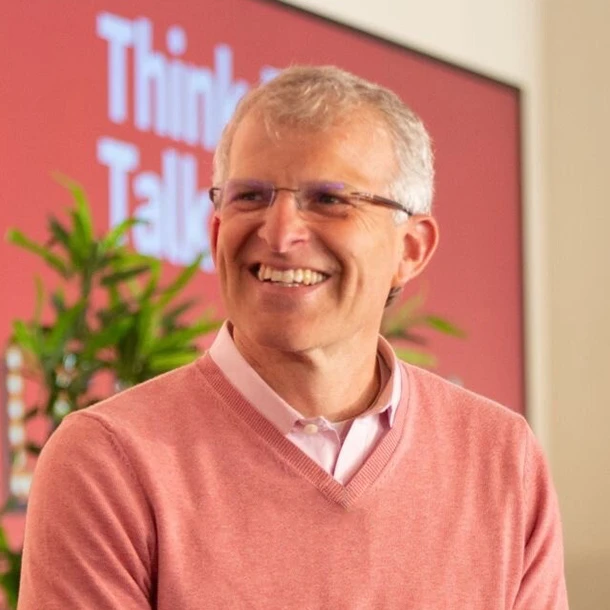
Matt Abrahams
Lecturer, Stanford Graduate School of Business

Being a great communicator opens doors, but different situations require different skills. Learn about persuasion, storytelling, nonverbal presence, and interpersonal communication from Matt Abrahams, author of Think Faster, Talk Smarter. Whether you’re a seasoned professional or recent graduate, master the art of influence and connection and make a lasting impact on your life and career.

Elke Framson
Communication Coach

Strong ideas deserve strong delivery. If you’re a non-native English speaker, learn to communicate with greater clarity, confidence, and impact. Through interactive exercises, refine your voice, pacing, and presentation style and learn to engage audiences across cultures—from team meetings to international conferences.

Rod Taylor
Founder and CEO, Performance Learning Concepts

What makes an audience lean forward and pay attention? Explore rhetorical thinkers from Aristotle to Kenneth Burke and examples from literature to top-charting music to see how memorable openings draw audiences in, narratives sustain momentum, and thoughtful conclusions create impact. Develop your own communication style and learn practical techniques to communicate with clarity, confidence, and persuasive force.

Lizzie Docel
Public Speaking Coach

Speaking in meetings, interviews, or formal presentations doesn’t have to feel scripted or stiff. Learn to organize ideas effectively, engage different audiences, and adapt your speaking style in a variety of settings. You’ll be ready to deliver well-prepared presentations with confidence, clarity, and natural presence.

Debra Schifrin
Lecturer, Stanford Graduate School of Business

Daniel Schifrin
Founder, StoryForward

Thinking on your feet is now mandatory in the workplace. Using improvisation techniques, learn to handle unexpected situations with ease, inclusiveness, and humor. Boost your confidence and communication skills by cultivating curiosity and embracing spontaneity. Develop a strong, intuitive communication style that helps you recover from missteps and forge authentic connections with any audience.

Laura Joyce Davis
CEO and Co-Founder, Narrative Podcasts and Editorial Adviser for the Podcast Think Fast, Talk Smart

What makes a pitch unforgettable? It’s not just the facts, but the story that brings them to life. Learn the elements of effective storytelling—structure, voice, and clarity—and how to apply them in proposals, interviews, networking conversations, and presentations. Develop a polished, flexible narrative that makes your ideas stand out and resonate.

Elizabeth Lee
Senior Manager, Communications, Altruist

Public relations shapes how people see companies, causes, and individuals—often long before they encounter them directly. Unpack the strategies behind compelling media narratives, effective journalist relationships, and crisis response through real-world PR successes and missteps. Hands-on exercises and mock interviews help you develop the confidence and skills to plan campaigns and build trust with your audience.

Susan Neville
Facilitator, Interpersonal Dynamics and LEAD Program, Stanford Graduate School of Business

Campbell Frank
Facilitator, Interpersonal Dynamics, Stanford Graduate School of Business

Embark on a transformative journey of self-discovery and relationship building with this unique course inspired by the renowned “Interpersonal Dynamics” program at the Stanford Graduate School of Business. Through immersive T-group experiences, small-group collaborations, and engaging class exercises, you will develop a profound understanding of yourself and others.

Amy Wong
Conversational Intelligence Certified Executive Coach and Keynote Speaker

Why do difficult conversations so often derail before they begin? Explore the neuroscience and psychology behind disagreement—from the brain’s defensive “protect mode” to the roles of cortisol, oxytocin, trust, and stress in shaping how we communicate. Learn to navigate polarized conversations with greater composure, understanding, and confidence.

Business

Business

Our business courses will equip you with the knowledge and skills you need to succeed in building your career, launching a startup, or growing a business. Taught by industry leaders from Silicon Valley and beyond, our courses cover product management, marketing, finance, leadership, and more.

Entrepreneurship & Innovation


Mike Milley
Head of Foresight and Strategy, The New Next

How do you prepare for a future that hasn’t happened yet? Learn the methods used by organizations from Nike to the United Nations to spot early signals and analyze emerging trends. Develop a personalized toolkit to navigate uncertainty and make confident strategic and creative decisions.

Angela Chen
Founder, Stanford Education Entrepreneurship Hub

What separates a promising idea from a viable company? Today, AI can generate pitches and prototypes in minutes, but startup success still hinges on identifying problems worth solving. Develop the frameworks and judgment to undertake real-world customer discovery, MVP design, business-model development, and go-to-market strategy. Take away a validated concept and be clear on what comes next.

Bret Waters
Entrepreneur and Silicon Valley Investor

Most startup ideas fail before they ever reach the market. Drawing on behavioral research, innovation theory, and startup methodology, explore how to generate promising ideas, validate key assumptions, and stress-test opportunities early. Develop a practical framework for distinguishing signal from noise and making smarter decisions about what to build—and what to abandon.

Sandy Diao
Growth Executive and Advisor

Shuo Chen
General Partner, IOVC

What does it take to build a SaaS company that stands out in a fiercely competitive market? From validating demand to crafting investor pitches and acquiring early customers, explore the frameworks behind sustainable growth. Learn the key metrics and revenue strategies to drive your company toward long-term success.

Finance & Investing


Amber Ma
Adjunct Professor of Accounting, University of San Francisco; Certified Public Accountant

Have you imagined retiring early? Explore the principles behind financial independence—from calculating the true cost of your desired lifestyle to increasing earning power through smart career moves, entrepreneurship, and hidden opportunities. Develop a practical framework for building lasting wealth to create greater freedom, choice, and peace of mind.

Jay Sheth
Chief Investment Officer, Versaca

Why do stock prices fall after a strong earnings report, or rise on negative news? Explore how institutional investors interpret market behavior through the “investment narrative,” the story that shapes expectations and drives capital flows. Using historical case studies, develop an understanding of why stocks move the way they do and a disciplined lens for evaluating portfolios and future opportunities.

Markus Lipp
Finance Executive, Consultant, and Investor

How do business leaders make decisions when the future is uncertain? Building on a review of core financial concepts, learn the practical work of forecasting, budgeting, and scenario analysis to create forward-looking business plans. Prepare yourself to navigate uncertainty, defend strategic assumptions, and support decision-making in changing business environments.

Leadership & Management


Andreina Parisi-Amon
Founder and Principal Coach, APA Coaching and Consulting

Mastering high-performance habits offers a crucial edge in productivity, leadership, and growth in any organization. Ambitious professionals and rising managers can develop the mindset, systems, and behaviors to advance without sacrificing well-being. Leave with a personalized 90-day plan to lead confidently and drive meaningful progress.

Dikla Carmel-Hurwitz
Lecturer in Management, Stanford Graduate School of Business

Effective leadership requires more than expertise—it requires presence, influence, and strategic thinking. Explore the unique challenges women leaders face while refining your leadership style, developing coaching tools, strengthening your leadership presence, and navigating difficult conversations. Gain practical strategies to increase your impact on organizational decision-making.

JeanAnn Nichols
Executive Coach and Author

Tracy Wilk
Executive Coach

Executive presence is built, not born. Explore real-world leadership challenges—from navigating organizational politics and high-stakes conversations to influencing without formal authority—and learn how leaders inspire confidence, command a room, and align people behind a vision. Through practical exercises, feedback, and reflection, strengthen your ability to communicate effectively and lead when it matters most.

Mo Fong
Adjunct Lecturer, Management Science and Engineering, Stanford

Anita Yuen
Owner, AY Advisory

What does it take to lead effectively in an AI-powered workplace? Moving beyond basic AI adoption, learn how AI can strengthen strategic thinking, improve decision-making, accelerate team development, and navigate risk and governance. Build personalized AI tools and a concrete 90-day plan to transform your management while still preserving the human side of leadership and teamwork.

Giancarlo Mori
CEO and Chief Architect, Movyl Group

As AI takes a larger role in organizational decisions, questions of judgment, authority, and accountability become harder—and more important—to answer. Using the Decision Architecture Framework, explore how humans and AI should share decision-making, when human oversight is essential, and how leaders can design governance structures that keep responsibility clear when things go wrong.

Kurt Snyder
CME Executive Director, Stanford School of Medicine

Why are some people organized and effective while others are buried by meetings, email, and deadlines? Drawing on proven approaches to productivity and time management from Stephen Covey, David Allen’s Getting Things Done, and the Eisenhower Matrix, learn how to build an adaptable operating system for navigating complexity. Develop sustainable habits to reduce friction and sharpen your focus.

Denise Rabius
Executive Coach, Stanford Graduate School of Business

Imagine entering a room and naturally inspiring trust, engagement, and respect. Learn to cultivate an authentic leadership presence from the inside out—a blend of physical poise, self-assurance, connection, and likability. Refine how you communicate and create a personalized work plan to guide your continued growth as a sincere and influential leader.

Nita Singh Kaushal
Founder, NSK Leadership and Miss CEO

Succeeding in today’s complex organizations requires skillfully navigating relationships in every direction. Learn how to cultivate powerful connections with superiors, colleagues, and direct reports while mastering communication and leadership techniques that build credibility, foster trust, and secure support across your organization.

Margaret Laffan
Cloud GTM Leader, Intel

Is the future of work autonomous? Explore how agentic AI is transforming the workplace by automating workflows, streamlining communications, and generating actionable insights. Learn how to harness these systems to enhance productivity, align AI capabilities with business goals, and create measurable impact across your organization.

Marketing


Isabelle Guis
Former Chief Marketing Officer

As search engines evolve into conversational assistants, content visibility depends on more than traditional SEO. Learn how generative engine optimization (GEO) is reshaping digital discovery and explore how AI systems retrieve, rank, and present information. Develop practical strategies to strengthen brand visibility across both traditional search and generative AI platforms.

Elizabeth Lee
Senior Manager, Communications, Altruist

Public relations shapes how people see companies, causes, and individuals—often long before they encounter them directly. Unpack the strategies behind compelling media narratives, effective journalist relationships, and crisis response through real-world PR successes and missteps. Hands-on exercises and mock interviews help you develop the confidence and skills to plan campaigns and build trust with your audience.

Product Management


Marily Nika
Gen AI Product Lead, Google

Imagine turning a rough idea into a working prototype in a single day or building a custom AI toolkit that expands what’s possible in your work. With today’s rapidly evolving AI technologies, these capabilities are accessible to anyone ready to experiment. Gain hands-on experience with leading-edge tools in this interactive, one-day workshop.

Bruno Aziza
Group Vice President, IBM Software

As AI makes software development faster and cheaper, competitive advantage increasingly comes from strategy rather than technical execution. Explore how successful founders, product leaders, and general managers define customer value and build products that stand out in crowded markets.

Vikash Rungta
Co-Founder & Chief Product Officer, Rise2.AI

Understanding how generative and agentic AI works is essential for leaders building next-generation products. Learn about the core architectures behind today’s most powerful AI systems and gain the technical insight and leadership perspective you need to build the intelligent products of the future.

Program Management


Trevor Gamba
Operations Leader

Effective project management transforms vision into action. Through case studies of both successful and failed projects, discover what drives results and apply those insights to a real-world scenario. Learn practical tools for planning, stakeholder communication, and risk management while developing an executive-ready project plan to lead initiatives with confidence.

Technology

Technology

Embark on a journey through artificial intelligence, master a new coding language, or dive into the world of data science. We offer courses designed for all skill levels, from novices to seasoned programmers.

Al & Machine Learning


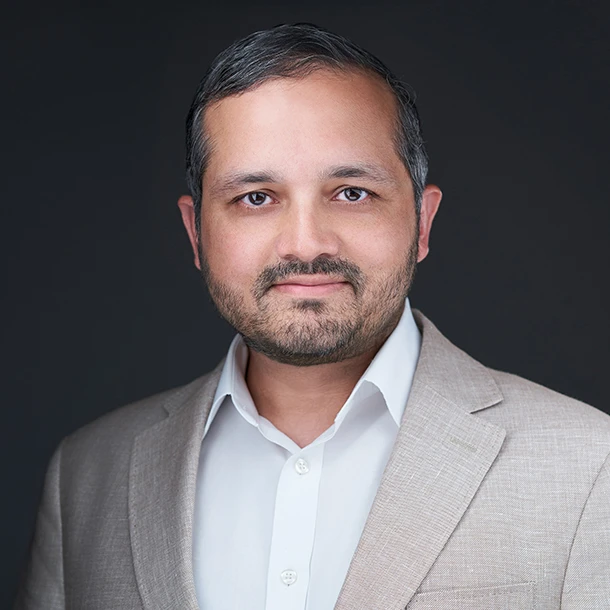
Rajen Sheth
CEO and Co-Founder, Kyron Learning

Are you curious about the basics of AI or eager to understand why it’s becoming essential across every industry? Explore foundational principles and the latest breakthroughs and gain the knowledge and confidence to engage meaningfully with AI. Discover how AI is transforming industries, investigate its ethical challenges, and develop practical experience and tools to enhance daily work and life.

Sufian Aldogom
Senior Manager, Google and Researcher, MIT

Generative AI is outgrowing its role as a prompt-and-response tool—it’s learning to set goals, make plans, and wield tools on its own. Dig into how AI agents actually reason and behave, practice collaborating with them, and develop the judgment to weigh the opportunities and the risks of putting them to work.

Gaurav Khanna
AI Executive, Cisco Systems

Artificial intelligence is filled with technical terms like “parameters,” “cost functions,” and “context window,” but understanding the fundamentals doesn’t require a technical background. Explore how these technologies work, when they are most effective, and how organizations use them to increase productivity, reduce costs, and create new products and revenue streams.

Ishaani Priyadarshini
Assistant Professor, School of Electrical & Computer Engineering, Washington State University

Machine learning is becoming essential for business leaders making data-driven decisions. Gain a practical foundation in key techniques—including regression, classification, and neural networks—through hands-on projects and real-world case studies from industries like finance, healthcare, ecommerce, and marketing. Learn to apply over 15 methods to build a versatile toolkit for strategic problem solving.

Charlie Flanagan
Head of Applied AI, Balyasny Asset Management

Using Python and leading open-source tools, you’ll explore the full data science workflow—from identifying business problems and gathering data to building scalable AI-driven solutions. Through hands-on projects, examine applications such as measuring marketing effectiveness, predicting customer churn, and developing pricing strategies.

AI Strategy, Policy & Impact


Amit Kaushal
Clinical Associate Professor of Medicine and Adjunct Professor of Bioengineering, Stanford
AI can draft clinical notes, read X-rays, and spot early signs of sepsis—but when does technical success translate into better patient care? Learn what it takes to turn AI advances into real-world impact, from clinical workflows and quality monitoring to patient outcomes. Explore where AI is genuinely improving care, where it’s adding complexity without value, and where it’s headed next.

Sha Sajadieh
AI Index Lead, Stanford Institute for Human-Centered Artificial Intelligence
AI is advancing rapidly across many domains, including science, business, and public policy. This course offers a data-driven introduction to the global evolution of AI, drawing on insights from the AI Index report, Stanford HAI’s independent annual assessment of worldwide AI trends. We’ll focus on measurable indicators of where AI adoption is accelerating, where risks and gaps remain, and how institutional and policy choices shape real-world outcomes.

Computing & Data Foundations


Eli Lev
Technology Manager, Stanford Continuing Studies

Learn fundamental Python programming concepts, including control structures, loops, arrays, lists, and functions. Develop the ability to write and build Python programs and solve problems programmatically—skills that complement and strengthen the effective use of AI-assisted tools. No computer science experience necessary.

Product & Applied Technology


Alex Loiko
Moonshot Builder, AI Supply Chain Moonshot at Google X

Why do so many AI initiatives stall after a successful demo? It has never been easier to build an impressive AI prototype, but momentum often fades when trying to implement a pilot inside a real organization. Learn from hands-on exercises and guest speakers from OpenAI and Palantir exactly what it takes to move enterprise AI from experimentation to execution.

Ata Tahiroglu
Senior Director of Product Management, Salesforce

The best way to build AI products isn’t to spend months in development but to prototype rapidly, test early, and iterate often. Learn how to identify high-impact use cases, scope minimum viable products, and prototype solutions. Develop a practical framework for turning AI concepts into scalable business solutions and a working prototype of your own.

Ray Villalobos
Senior Staff Instructor, LinkedIn Learning

What if you could build software by guiding AI tools instead of writing code? Explore “vibe coding,” a concept-first approach that uses AI to turn ideas into working applications and websites. Through hands-on projects, learn how to write clear prompts, direct iterative development, troubleshoot issues, and stay in control of the creative process while AI handles the heavy lifting.

Elliott Adams
Lecturer, School of Information, UC Berkeley

Software development is evolving into an intuitive collaboration between humans and AI. Learn “vibe coding,” where natural conversation becomes the primary programming language for building applications ranging from budgeting systems to interactive games. Develop critical thinking skills and a framework for guiding AI toward precise, useful solutions, and reimagine how software can be created.

Gauthier Vasseur
Business Analytics Leader and Strategist

Do you need to learn to code to create real value with AI? Not necessarily. Using case studies in areas like healthcare cost forecasting and fraud detection, discover how no-code AI accelerates decision-making and drives competitive advantage. Learn practical frameworks for evaluating models, mitigating bias, and leading responsible AI initiatives that align with organizational strategy and culture.

Vasyl Rakivnenko
AI Technical Lead, Legal Design Lab, Stanford Law School

AI coding agents can generate applications from plain English, but how much should you trust what they produce? Learn how to use these systems effectively and responsibly through a practical supervise-and-verify workflow. See how clearer specifications, stronger prompting, testing, and human oversight can help identify mistakes, reduce risk, and improve the reliability of AI coding agents.

Systems & Emerging Technologies


Anders Viden
Chief Product Officer, EcoSec Works

As AI becomes more deeply embedded in critical infrastructure, it’s quickly outpacing our ability to manage the risks. Drawing on recent cloud outages, cybersecurity breaches, and infrastructure failures, investigate how AI, cybersecurity, and large-scale infrastructure interact in the real world. Understand how systems—and humans—behave under stress and come away prepared to make decisions in uncertain, high-stakes situations.

Steve Cousins
Executive Director, Stanford Robotics Center

The question is no longer whether robots will shape the future, but how. Steve Cousins, executive director of the Stanford Robotics Center, traces the evolution of robotics from its early foundations to today’s most advanced systems. Explore the promise and limitations of robotics, how it’s transforming fields from medicine and agriculture to education and the arts, and what comes next.

Writing Certificates

Writing Certificates

Have you always wanted to write a book? Our Novel Writing Certificate and Memoir Writing Certificate are designed to take you from initial inspiration to a polished manuscript.

Each certificate consists of six courses and is facilitated completely online. The two-year format of each program allows you to access courses from anywhere, participate in classes on your schedule, and receive invaluable feedback and encouragement from instructors and peers as you work toward completing your novel or memoir. Because the programs rely on dedicated, dynamic cohorts, admission is by application only.

Applications for the Fall 2027 program will be available in Spring 2027.

To learn more about the curriculum, admission process, tuition, and instructors,

Public Programs
Public Programs

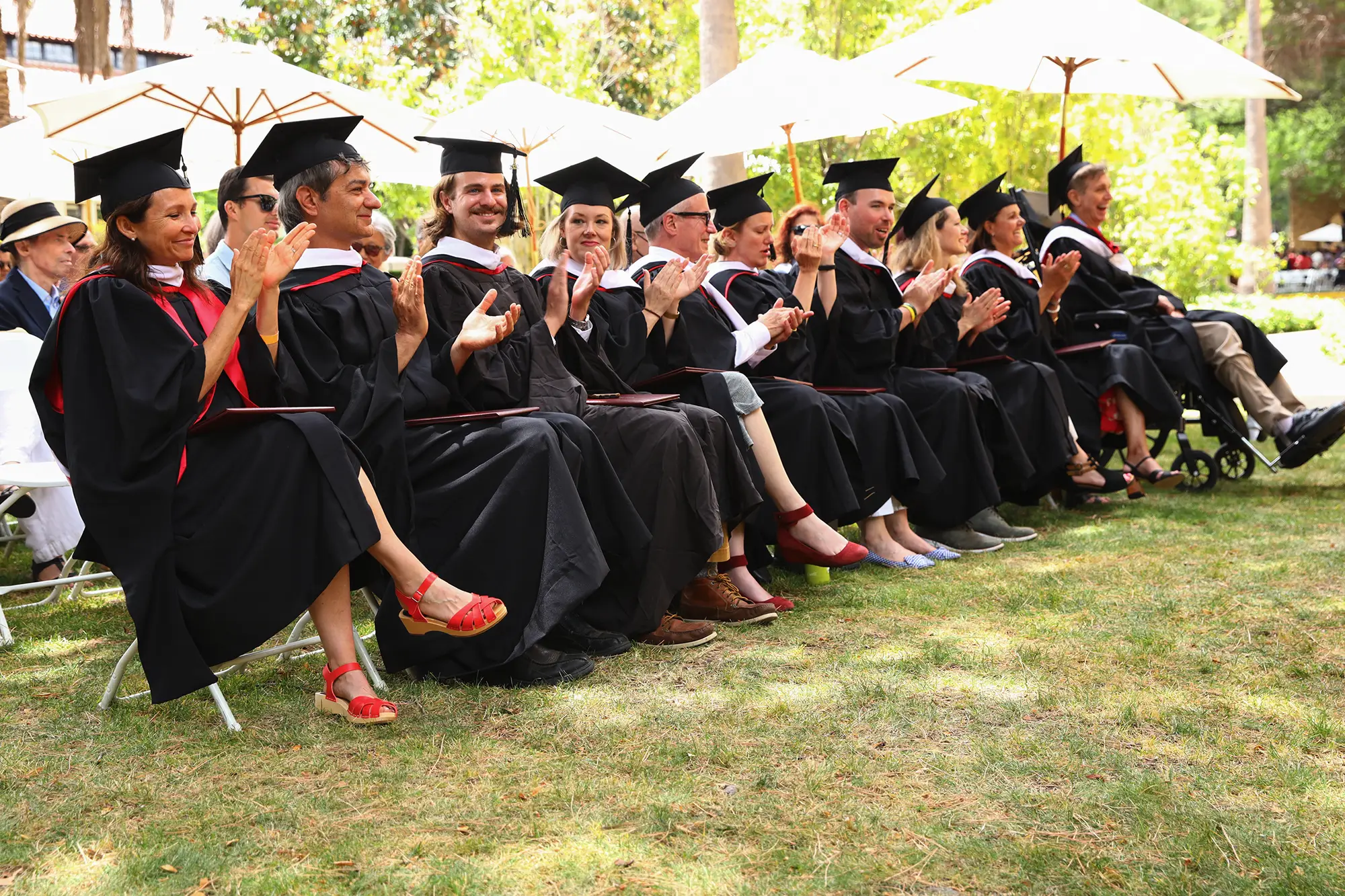
Continuing Studies is pleased to offer a variety of free public programs and special events every year, including lectures, readings, and webinars covering a broad range of subject areas from current affairs to the creative arts.

Learn more about upcoming events

Master of Liberal Arts
Stanford Master of Liberal Arts
Start your next chapter with a part-time, evening graduate degree in the liberal arts.

Stanford’s Master of Liberal Arts Program (MLA) offers an extraordinary opportunity to pursue an interdisciplinary course of study in the liberal arts and earn your master’s degree at one of the world’s great centers of learning. Designed with busy adults in mind, this part-time graduate degree program holds classes in the evenings and offers a flexible academic schedule.

I

n the MLA program, students form a close-knit cohort that takes courses taught by Stanford faculty. Areas of study include history of science, philosophy, literature, environmental studies, political science, history, and more. Students will hone their ability to write persuasively and creatively, develop compelling arguments, conduct original research, and integrate thinking from multiple disciplines. For many students, these are ends in themselves. For others, these skills serve them well in their professional lives.

MLA applications are accepted from September through January, with classes beginning in September of the following academic year. For more information on the program and admissions details, please visit: mla.stanford.edu.

Taking Stanford Continuing Studies courses can be excellent preparation for applying to the MLA program. Each quarter, the MLA program recommends courses that are similar in subject and format to seminars you would find in MLA study.
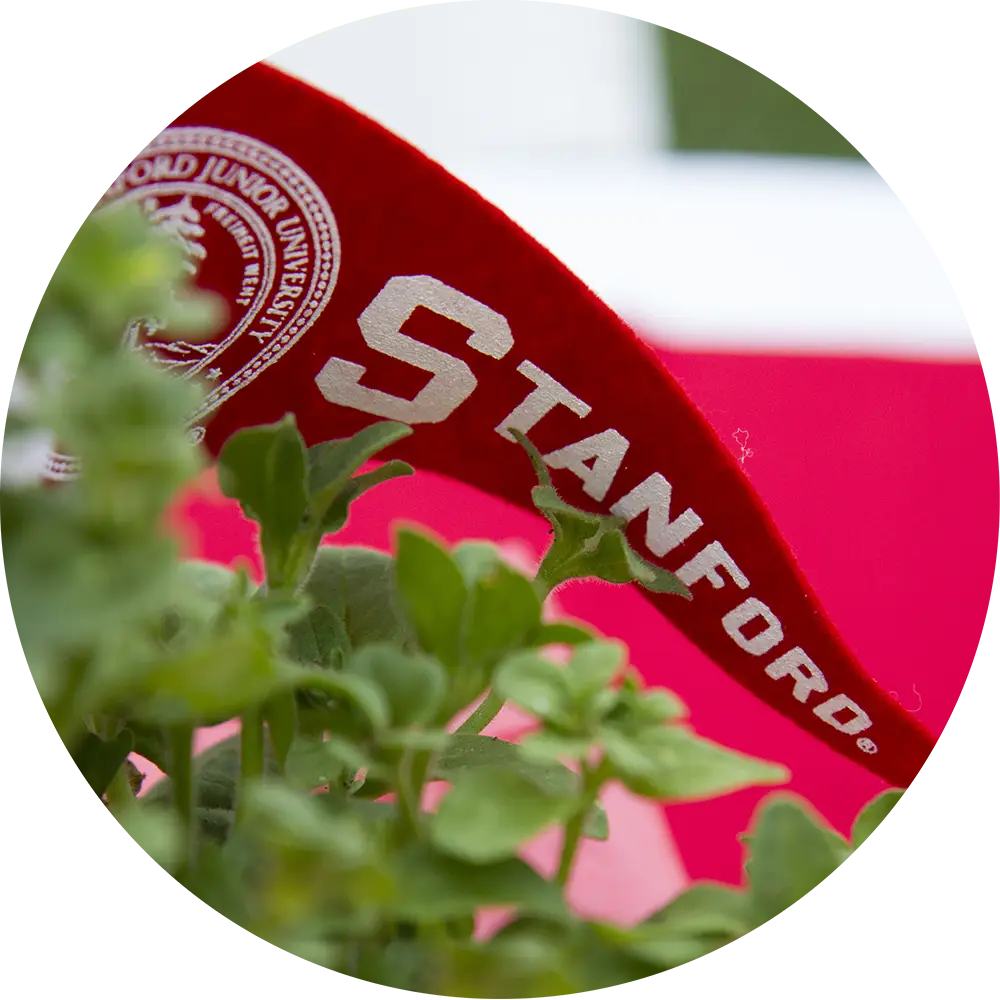
Stanford flag with leaves in front
© Robert Siegel
Whether you prefer the flexibility of online classes or the vibrant atmosphere of in-person sessions, we look forward to seeing you this Fall Quarter!

Registration opens on August 17, and the quarter begins the week of September 21.