


Stanford Continuing Studies Fall Courses 2026


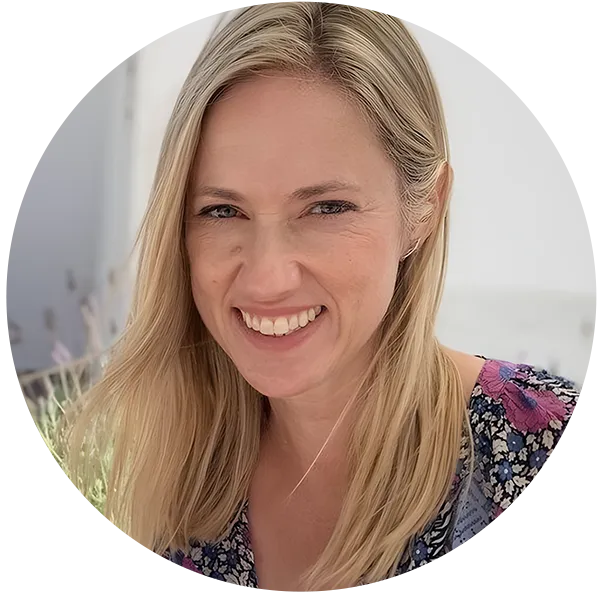
Letter from
the Director
appy holidays! Thank you all for your ongoing support of Continuing Studies and for being a part of our dedicated community of lifelong learners.
Our winter catalog has something (or many things!) for everyone, and I hope you’ll join us in learning something new in 2027. To help inspire your next course choice, I invited Malena Watrous, our Writing Certificate lead and Creative Writing coordinator, to share her reflections as an instructor and a student. With her signature creativity and humor, she describes how a Continuing Studies course can help you see a new perspective, achieve a personal or professional goal, and experience the profound joy of discovery.
Warmly,

Welcome Letter
hen the term “new year resolution” first appeared in a Boston newspaper in 1813, the author skewered those who treat the practice as a temporary “sin pass” for holiday overindulgence, aiming to “wipe the slate clean” come January. There may be some truth to this, but I happen to love New Year’s resolutions, using them to reset and focus on personal goals.
In 2020, I signed up for an online Continuing Studies guitar course, learning to strum songs by The Beatles and Bob Dylan. In six weeks, I may not have mastered the guitar, but the course brought me joy and the satisfaction of meeting a personal goal. Perhaps Continuing Studies can help you fulfill one of your resolutions this year.
This catalog features my own resolution-themed course, “Write in the New Year,” designed for students who resolve to write more. We use half of every session for guided writing sprints, after which students share their work in groups. No one can procrastinate or succumb to “masterpiece-itis.” Everyone leaves each session with words on the page, successful in their New Year’s resolution to make creative writing part of their lives.
Goals are easier to achieve when classmates and an instructor hold us accountable. That makes a Continuing Studies course a natural partner. You might resolve to learn something that has always intrigued you, deepen your understanding of a complex problem, create something new, or connect with others who share your interests. Perhaps this is the year you’ll resolve to:
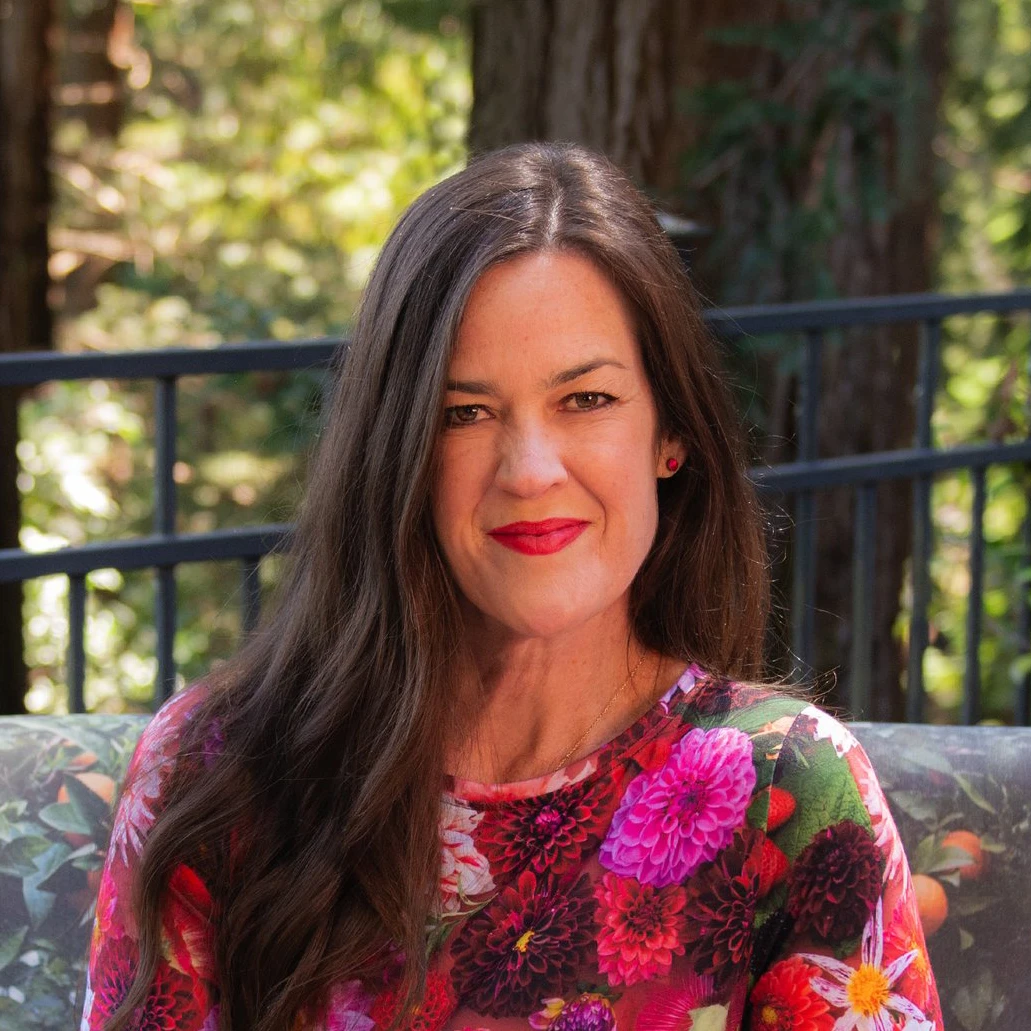
- Find more delight with Kelly McGonigal in The Science and Practice of Joy.
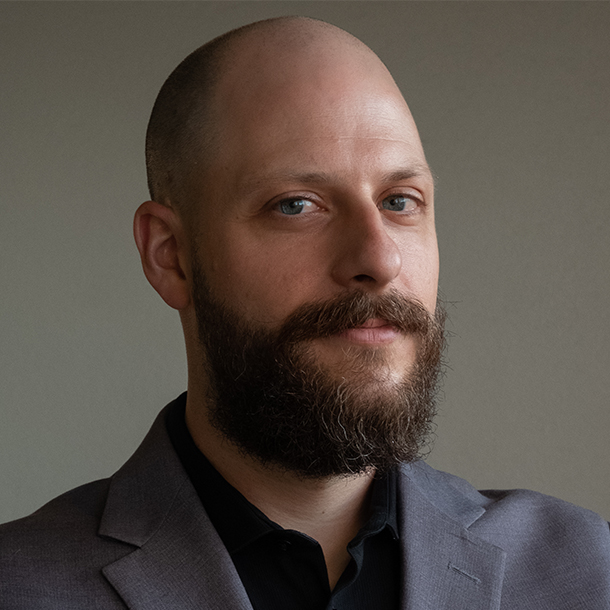
- Develop a deeper understanding of the present in The Long Shadow of History: How the Past Shapes the Present with David Kennedy and James Sheehan.
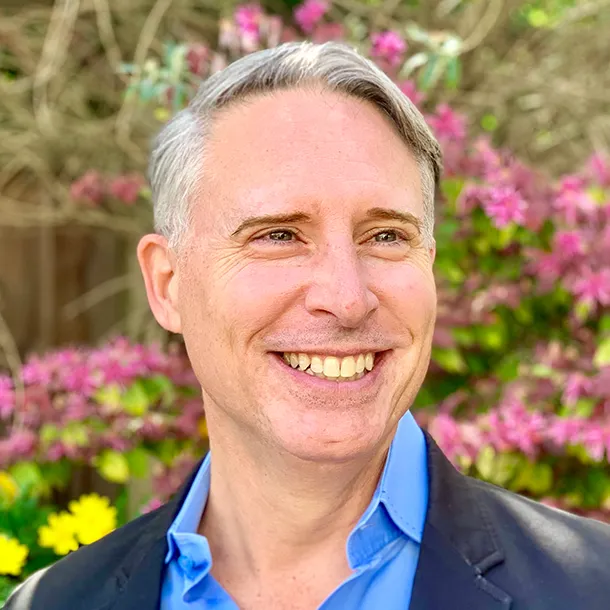
- See our planet from a new perspective in Blue Planet: A History of Water with Michael McWilliams.
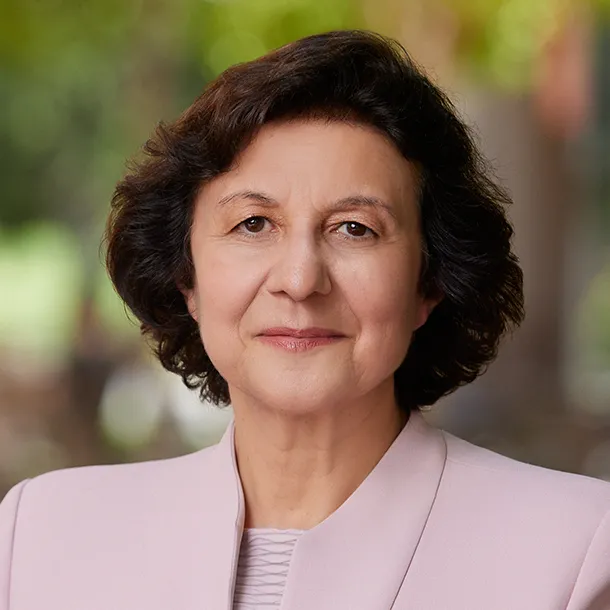
- Build confidence around money in Annamaria Lusardi’s Mastering Financial Decision-Making.
- Prepare for a changing workplace with Margaret Laffan’s Agentic AI Workflows: Designing Multi-Agent Systems.
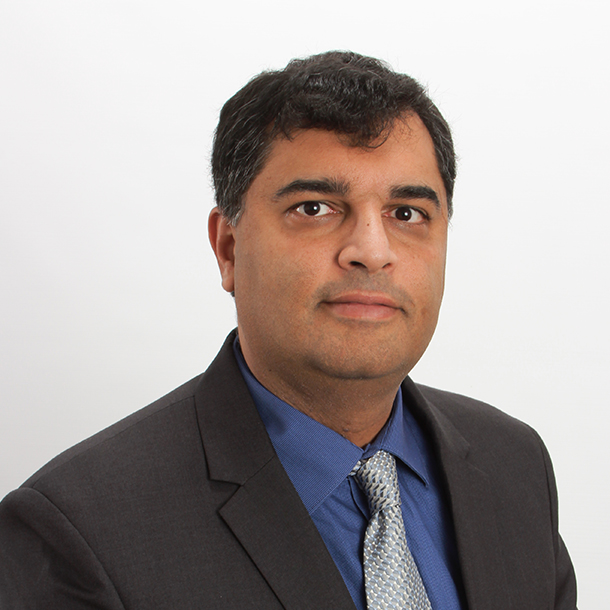
- Learn to communicate your ideas with greater clarity and impact in Nita Singh Kaushal’s Make the Case: Communication, Advocacy, and Influence.
The word “resolution” can sound foreboding. But in Middle English, it referred to the process of breaking something complex into simpler parts. Isn’t that what a great course helps us do? A skilled instructor takes a subject that might initially feel daunting and makes it accessible.
As you explore this catalog, I invite you to ask yourself: What corner of your proverbial garden could benefit from watering this winter? Whatever your answer, I hope you find a course that helps you begin.
Warmly,

Table of Contents









Featured Courses
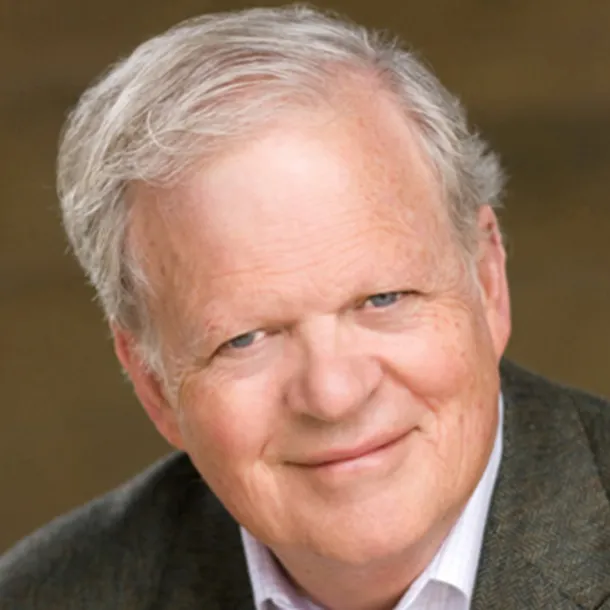
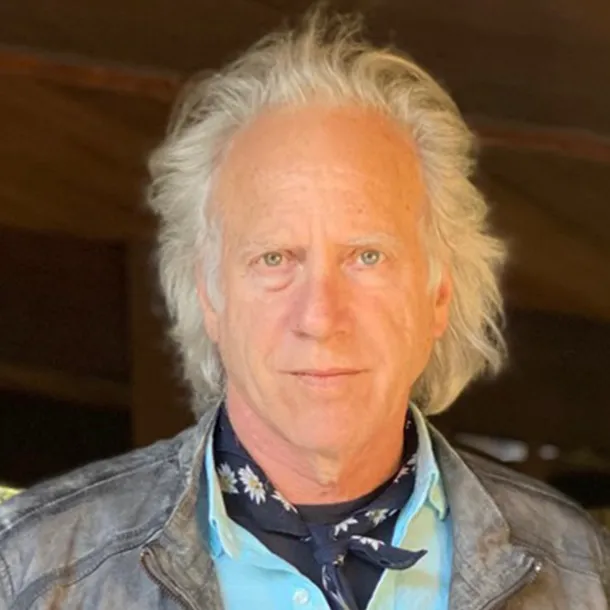
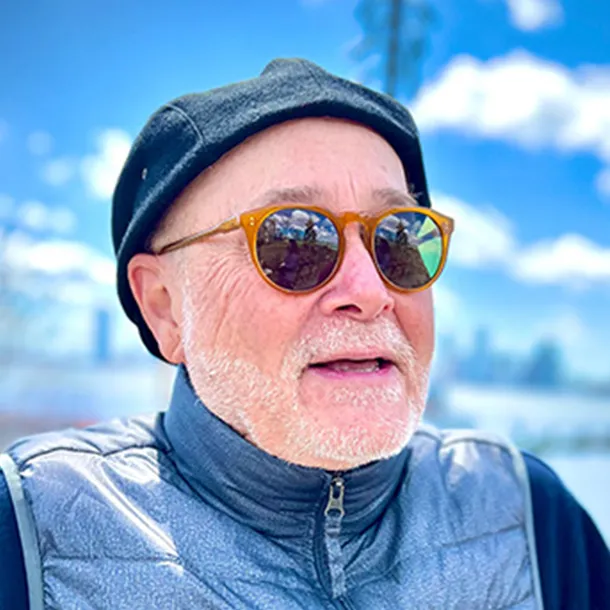
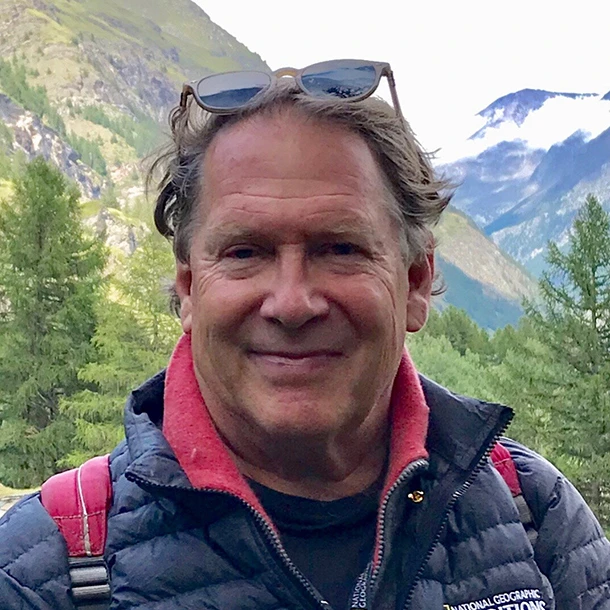





Liberal Arts & Sciences
Archaeology
Art History
Classics
Climate Change & Sustainability
Cultural Studies
Dance Studies
Environmental Studies
Film Studies
History
International Studies
Languages
Linguistics
Literature
Medicine
Music Studies
Music Studio
Nature & Conservation Studies
Philosophy
Psychology
Science
Sports
Art Studio
Audio, Video & Film
Drawing, Painting & Other Media
Photography
Food & Drink
Food & Drink Courses
Wellness & Health
Emotional & Mental Health
Life Design
Nutrition
Physical Health & Well-Being
Creative Writing
Book Group
Genre
Memoir & Creative Nonfiction
Narrative Craft
Novel
Poetry
Prompt-Driven Writing
Publishing
Reading Like a Writer
Short Story
Communication
Communication Courses
Design
Design Courses
Business
Entrepreneurship & Innovation
Finance & Investing
Leadership & Management
Marketing & Sales
Product Management
Project & Program Management
Technology
Al & Machine Learning
Computing & Data Foundations
Product & Applied Technology
Writing Certificates
Each certificate consists of six courses and is facilitated completely online. The two-year format of each program allows you to access courses from anywhere, participate in classes on your schedule, and receive invaluable feedback and encouragement from instructors and peers as you work toward completing your novel or memoir. Because the programs rely on dedicated, dynamic cohorts, admission is by application only.
Applications for the Fall 2027 program will be available in Spring 2027.
To learn more about the curriculum, admission process, tuition, and instructors,
Public Programs
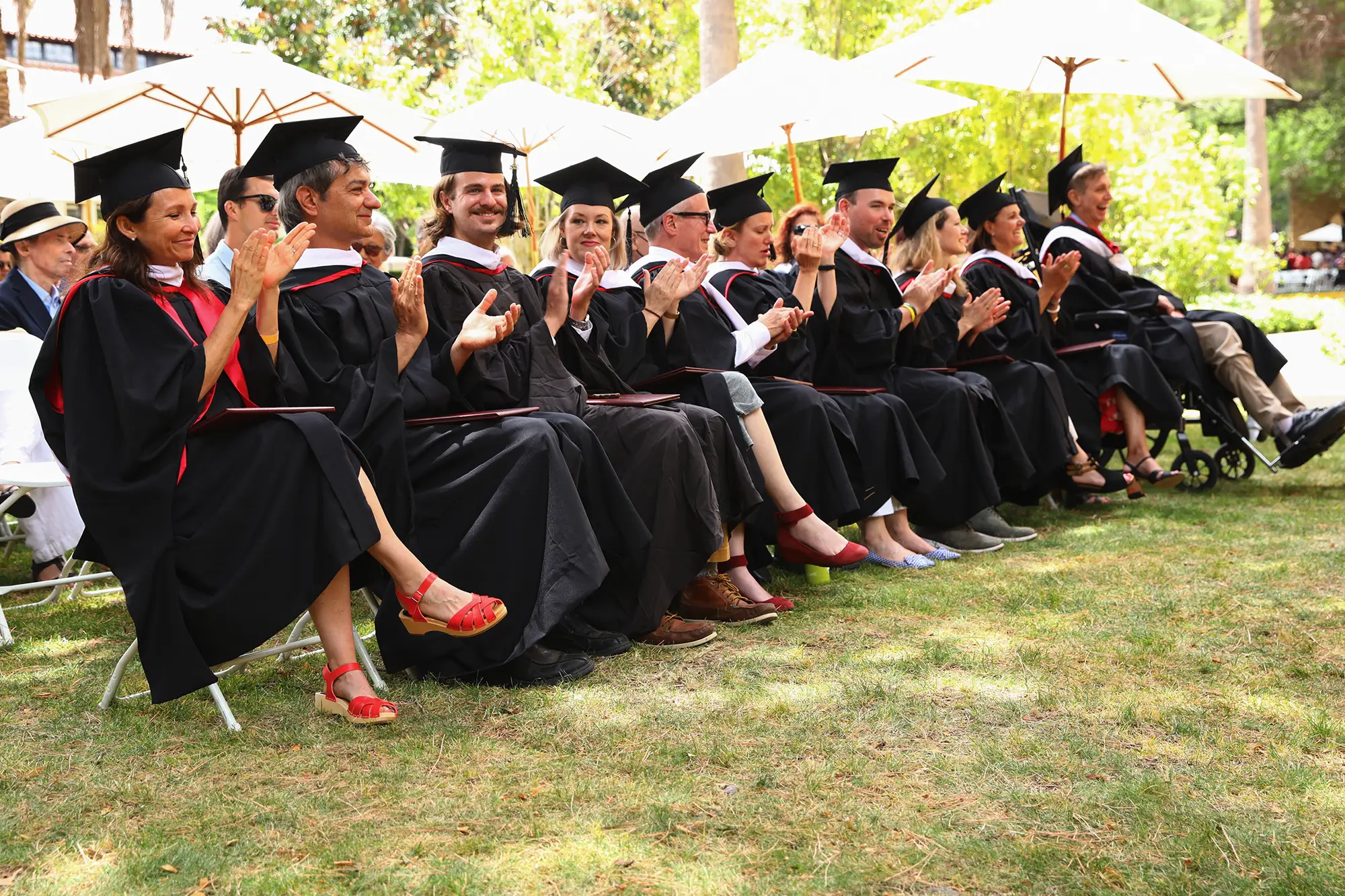

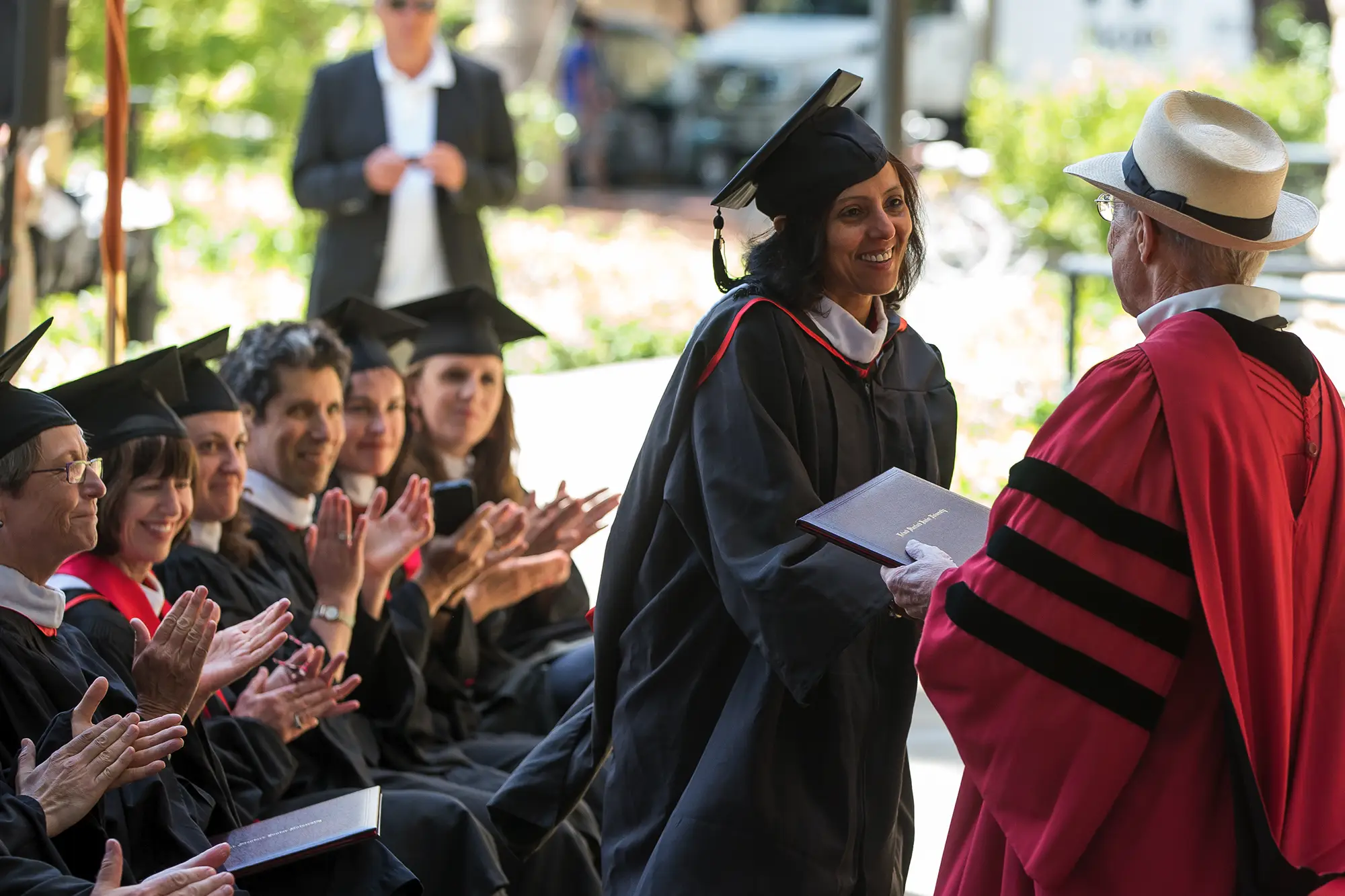
Stanford’s Master of Liberal Arts Program (MLA) offers an extraordinary opportunity to pursue an interdisciplinary course of study in the liberal arts and earn your master’s degree at one of the world’s great centers of learning. Designed with busy adults in mind, this part-time graduate degree program holds classes in the evenings and offers a flexible academic schedule.
n the MLA Program, students form a close-knit cohort that takes courses taught by Stanford faculty. Areas of study include history of science, philosophy, literature, environmental studies, political science, history, and more. Students will hone their ability to write persuasively and creatively, develop compelling arguments, conduct original research, and integrate thinking from multiple disciplines. For many students, these are ends in themselves. For others, these skills serve them well in their professional lives.
MLA applications are accepted from September through January, with classes beginning in September of the following academic year. For more information on the program and admissions details, please visit: mla.stanford.edu.
Taking Stanford Continuing Studies courses can be excellent preparation for applying to the MLA Program. Each quarter, the MLA Program recommends courses that are similar in subject and format to seminars you would find in MLA study.
RECOMMENDED CONTINUING STUDIES COURSES: WINTER 2027
Registration opens November 30, 2026, and the quarter begins the week of January 4, 2027.
